 WhatsApp Us Now
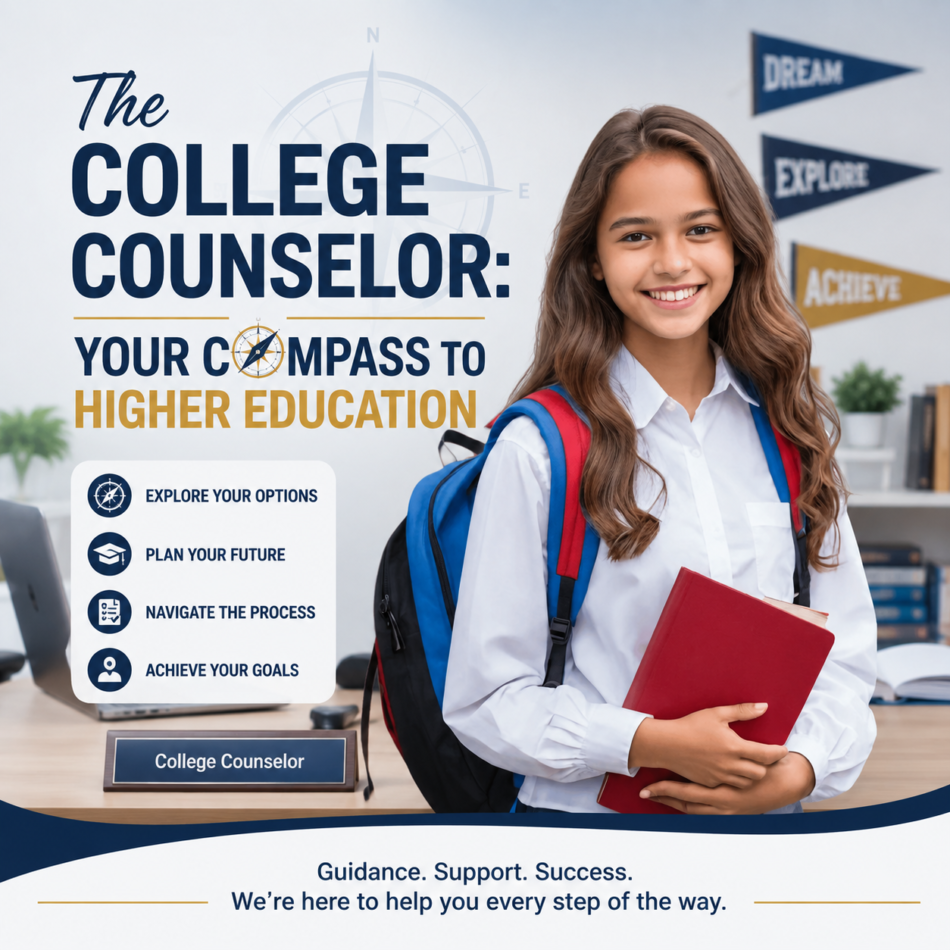
The journey from high school to higher education is one of the most significant transitions a young person can make, filled with excitement, uncertainty, and critical decisions. At the heart of this transformative process stands the college counselor, a professional whose role extends far beyond helping students fill out applications. These dedicated guides serve as navigators through the complex seas of college admissions, helping students discover not just where they might be admitted, but where they truly belong.
More Than Just Application Help
While many families initially perceive a college counselor’s role as simply assisting with paperwork and deadlines, the reality is far more comprehensive. These professionals wear multiple hats, acting as detectives who uncover students’ genuine interests, educators who demystify admissions processes, and strategists who help craft compelling applications.
A quality college counselor begins working with students long before senior year. Many schools now implement comprehensive counseling programs that start as early as middle school, focusing on self-discovery and exploration rather than merely checking boxes. This early engagement allows students to explore academic interests, develop passions, and build a foundation for meaningful extracurricular involvement.
The Four Pillars of Effective College Counseling
1. Self-Discovery and Exploration
The most effective college counseling prioritizes helping students understand themselves before they ever consider specific institutions. Through personality assessments, skills evaluations, and thoughtful conversations about career trends, counselors guide students toward fields where they are likely to excel and find fulfillment. This introspective work ensures that students consider not just the immediate question of “where to go,” but the longer-term implications of their educational choices.
2. Strategic Research and Fit Assessment
Understanding the landscape of higher education options requires sophisticated guidance. College counselors help students navigate the differences between institutional types—from large research universities to small liberal arts colleges, from specialized technical institutes to comprehensive public universities. They teach students to look beyond glossy marketing materials and dig into what institutions genuinely offer, considering factors like academic programs, campus culture, support services, and outcomes.
3. Application and Narrative Development
Perhaps the most visible aspect of college counseling involves helping students present themselves effectively. This means guiding students in crafting essays that reveal authentic voices, selecting recommences who can speak meaningfully to their strengths, and positioning activities to demonstrate genuine engagement rather than resume-padding. The best counselors help students develop a cohesive narrative across their applications, and each component reinforces the same compelling story about who they are and what they might become.
4. Financial Navigation and Decision Support
The financial dimension of college choice cannot be overstated. Skilled counselors help families understand the complexities of scholarships, loans, grants, and financial aid packages. They demystify the cost of attendance, distinguish between “sticker price” and net cost, and help families balance educational quality with financial sustainability.
The Evidence-Based Impact of Counseling
Research demonstrates that quality college advising significantly improves student outcomes. A rigorous study published in the American Economic Review found that intensive advising programs can substantially increase bachelor’s degree attainment rates for low-income students. Students receiving comprehensive support were 7.6 percentage points more likely to earn a bachelor’s degree within five years, representing a 16% increase compared to peers who did not receive such guidance.
The study revealed that much of this improvement came from helping students enroll in better-matched institutions. Between one-third and two-thirds of low-income students initially favored colleges that were sub optimal for their academic profiles, suggesting that many students simply lack the information needed to make sound choices.
About Counselor Influence
There’s a persistent myth that college counselors can “work wonders” with admissions offices through personal connections. This “relationship delusion,” as some experts have termed it, suggests that a well-placed phone call from a counselor can tip the scales in a student’s favor. The reality is far more prosaic. The advocacy call that once characterized counselor-admissions officer relationships has largely disappeared, especially at competitive institutions. Today, many admissions offices won’t share decisions with counselors until after students have received them, prioritizing equity and transparency.
The Counselor as Storyteller
At its best, college counseling is about helping students tell their authentic stories—not manufacturing accomplishments, but recognizing and articulating genuine achievements and aspirations. This means pushing beyond generic advice and cookie-cutter approaches to truly understand each student’s unique journey. The most effective counselors serve as editors and strategists, helping students clarify their academic through line and present their activities in ways that reveal character and potential rather than simply listing accomplishments.
Making the Most of Your Counseling Relationship
Students and families can maximize the value of college counseling by approaching the relationship with openness and preparation. This means starting conversations early, being honest about interests and concerns, and taking an active role in the self-discovery process. Regular meetings, thoughtful engagement with suggested activities, and a willingness to reflect on feedback all contribute to more productive counseling relationships.
Conclusion
In an era of increasing automation and artificial intelligence, the human connection provided by skilled college counselors remains irreplaceable. While technology can provide information and even some guidance, it cannot replicate the nuanced understanding, emotional support, and personalized strategy that a dedicated counselor offers. As one admissions director observed, even as we “shift the way that we support individuals through complex challenges… toward informational, tech-forward, and AI-first interventions, customer-centric approaches may generate substantially larger effects”.
For students’ journey to higher education, the college counselor serves as a compass—not determining the destination, but helping chart a course that leads to places, growth, and becoming the people they are meant to be.
Frequently Asked Questions
When should students start working with a college counselor?
While many families seek college counseling during junior year, the most effective relationships begin earlier. Many counselors recommend starting in 9th or 10th grade to allow for genuine self-discovery, thoughtful course selection, and meaningful extracurricular development. Early engagement reduces stress and allows students to build a foundation that makes the application process more authentic and less frantic.
What’s the difference between a school counselor and an independent college counselor?
School counselors typically manage broader student needs, including academic planning, personal support, and college guidance. Independent college counselors focus exclusively on college admissions, offering specialized expertise but charging fees for their services. School counselors provide valuable guidance within their broader responsibilities, while independent counselors offer more intensive, specialized attention that can be particularly helpful for highly selective institutions.
How do college counselors help with essays?
Skilled counselors don’t write essays for students but guide them through a thoughtful process of identifying compelling topics, developing authentic narratives, and refining their writing. They help students understand what admissions officers look for, provide constructive feedback on drafts, and ensure essays reveal genuine character rather than simply repeating information found elsewhere in the application. The goal is for students’ authentic voices to shine through.
Can a college counselor guarantee admission to a specific school?
Absolutely not. No counselor—regardless of experience or connections—can guarantee admission to any selective institution. Reputable counselors help students build balanced lists of target, reach, and safety schools and guide them toward presenting the strongest possible application. Claims of guaranteed admission should be viewed with extreme skepticism.
How much does private college counseling cost?
Independent college counselors typically charge between $3,000 and $10,000 for comprehensive packages spanning multiple years, with some elite services costing significantly more. However, many families work effectively with school counselors who provide excellent guidance at no additional cost. The financial aid counseling offered through many school counseling programs can be invaluable for families seeking to make college affordable.


