 WhatsApp Us Now

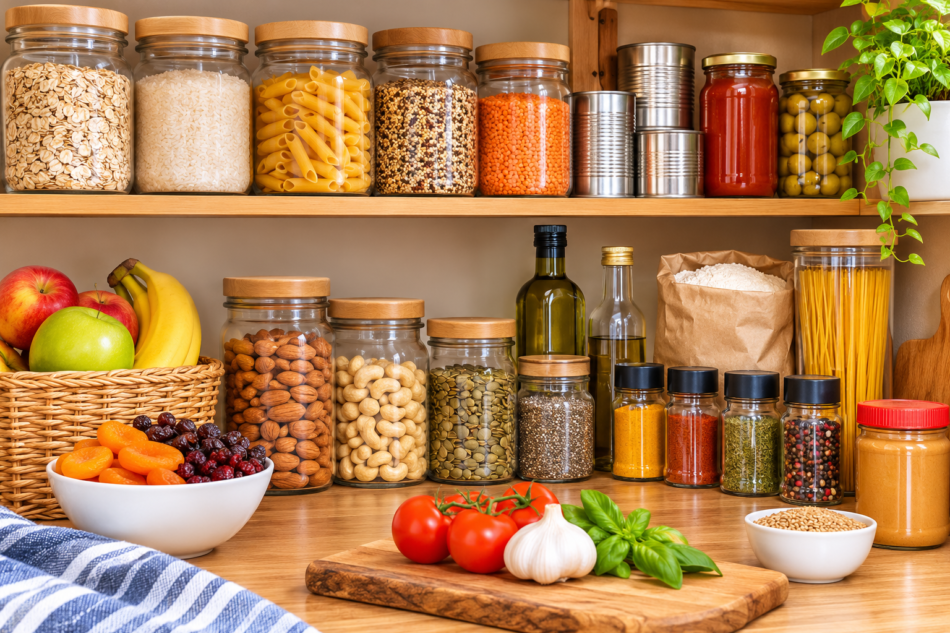
Preparing a delicious meal does not always require a detailed recipe or a special trip to the grocery store. Sometimes, the best dishes come together when you have a well-stocked pantry filled with versatile ingredients. Whether you are dealing with a busy workday, unexpected guests, or simply do not feel like shopping, having the right food supplies on hand makes everyday cooking much easier.
A thoughtfully organized pantry saves time, reduces food waste, and gives you the flexibility to prepare satisfying meals whenever hunger strikes. From grains and canned goods to dried fruits, spices, and cooking essentials, a few reliable staples can turn simple ingredients into flavorful dishes. Here are some practical pantry essentials worth keeping within reach for convenient last-minute meal ideas.
1. Stock Up on Versatile Grains and Pasta
Grains and pasta are some of the most useful pantry staples because they provide a satisfying foundation for countless meals. Rice, pasta, couscous, oats, quinoa, and noodles are easy to store and can be combined with different ingredients to create quick lunches and dinners.
For example, rice can become a simple vegetable fried rice, a hearty rice bowl, or a side dish served with beans and canned vegetables. Pasta is equally flexible. Toss it with olive oil, garlic, herbs, and canned tomatoes for a quick meal without complicated preparation.
Oats are another worthwhile addition. Although commonly associated with breakfast, they can also be used in homemade energy bites, savory porridge, and simple baking recipes.
Choose grains that your household regularly enjoys and store them in airtight containers. This helps protect their freshness while making your pantry easier to organize.
2. Keep Canned and Jarred Foods Within Reach
Canned and jarred foods are excellent options when fresh ingredients are unavailable. They have a relatively long shelf life, require minimal preparation, and can add flavor, texture, and nutrition to everyday dishes.
Consider keeping canned beans, chickpeas, lentils, sweet corn, tomatoes, and vegetables in your pantry. These ingredients can quickly become soups, salads, wraps, pasta sauces, and filling rice dishes.
Jarred foods also offer plenty of convenience. Tomato sauce, pasta sauce, pickles, olives, and salsa can instantly improve a simple meal. For example, combining canned chickpeas with tomato sauce, garlic, and spices creates a satisfying curry that pairs well with rice or flatbread.
When choosing canned products, check the ingredient labels, sodium content, and expiration dates. Rinse canned beans and vegetables when appropriate to reduce excess salt.
Keeping these essential food supplies available means you can prepare balanced meals without depending entirely on fresh groceries.
3. Add Dried Fruits, Nuts, and Seeds for Extra Nutrition
Dried fruits, nuts, and seeds are valuable additions to a practical pantry. They are convenient to store, easy to use, and bring natural sweetness, crunch, and nutritional variety to everyday recipes.
Raisins, dates, dried apricots, cranberries, and figs can be added to oatmeal, breakfast bowls, homemade trail mixes, and baked goods. They also work beautifully in rice dishes, salads, and homemade snacks.
Nuts such as almonds, walnuts, peanuts, and cashews provide satisfying texture and can make simple meals more interesting. Meanwhile, chia seeds, flaxseeds, pumpkin seeds, and sunflower seeds are useful toppings for yogurt, smoothies, salads, and cereals.
These convenient pantry ingredients make it easier to prepare quick snacks when you do not have time to cook. They can also help transform basic recipes into more enjoyable meals.
Store dried fruits and nuts in sealed containers away from heat, moisture, and direct sunlight. For longer storage, some nuts and seeds benefit from refrigeration to help preserve their quality.
4. Never Run Out of Cooking Oils, Sauces, and Spices
A small collection of cooking essentials can make a significant difference in the flavor of last-minute meals. Even when your ingredients are simple, the right seasonings and sauces can create variety without requiring extra cooking time.
Olive oil, vegetable oil, and other commonly used cooking oils are useful for sautéing vegetables, preparing dressings, and cooking grains. Vinegar, soy sauce, mustard, and hot sauce are also practical additions because they can quickly improve the taste of everyday dishes.
For seasoning, keep basic spices such as black pepper, turmeric, cumin, paprika, chili powder, garlic powder, and cinnamon. Dried herbs like oregano, thyme, basil, and parsley are equally useful.
For instance, canned beans seasoned with cumin, paprika, garlic, and a little olive oil can become a flavorful filling for wraps or a quick side dish. Similarly, a simple tomato sauce becomes more interesting with dried herbs and black pepper.
These everyday kitchen products provide flexibility and help you prepare different meals using many of the same pantry staples.
5. Choose Breakfast Staples and Quick Meal Helpers
Breakfast ingredients are not just for the morning. Many can double as convenient options for quick lunches, light dinners, and snacks.
Keep flour, oats, pancake mix, breakfast cereal, peanut butter, honey, and shelf-stable milk or milk alternatives in your pantry. These ingredients support a variety of simple recipes, from pancakes and sandwiches to smoothies and homemade snacks.
Peanut butter, for example, can be spread on toast, mixed into oatmeal, or used to prepare a quick peanut sauce for noodles. Flour can help you make basic flatbreads, pancakes, and homemade dough when needed.
Instant noodles and quick-cooking soup mixes can also be useful for particularly busy days. Improve them by adding canned vegetables, beans, eggs, or available seasonings to make the meal more satisfying.
Having these convenient options available means you do not need an elaborate recipe every time you want something filling.
6. Organize Your Pantry for Easy Access and Less Waste
Keeping the right ingredients is only part of maintaining a useful pantry. Proper organization helps you find what you need quickly, avoid duplicate purchases, and use food before it loses quality.
Start by grouping similar products together. Keep grains and pasta on one shelf, canned foods in another section, and dried fruits, nuts, and snacks in clearly labeled containers. Place frequently used ingredients at eye level so they are easy to reach.
Use airtight containers for products that have been opened, particularly flour, rice, oats, nuts, and dried fruits. Store them in a cool, dry place away from direct sunlight and moisture. Always follow product-specific storage instructions.
A simple inventory list can also make a difference. Check your pantry before grocery shopping and note which essentials need replacing. Follow the first-in, first-out method by using older products before newer purchases, provided they remain safe and within their recommended dates.
Most importantly, build your pantry around the meals you actually enjoy preparing. A practical collection of ingredients is more valuable than shelves filled with products you rarely use.
Make Last-Minute Cooking Easier with Smart Pantry Planning
A well-stocked pantry gives you more control over everyday cooking. With versatile grains, canned vegetables, dried fruits, nuts, spices, sauces, and breakfast staples, you can create satisfying meals without spending extra time planning or shopping.
The key is choosing ingredients that work together and storing them properly to maintain freshness and quality. Start with a few reliable staples, gradually expand your selection, and keep track of what your household uses most often.
With a little preparation, even the busiest days can end with a homemade meal that is simple, flavorful, and satisfying.


