 WhatsApp Us Now

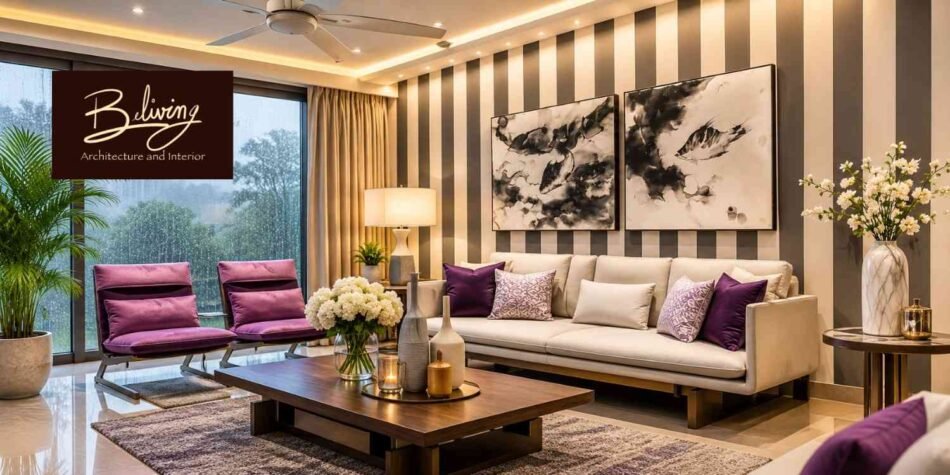
It does not consist of fancy furniture or decorations alone. A luxury home will be a place where you reflect your lifestyle, make use of every nook and cranny to create a comfortable living environment. Selecting the appropriate Luxury Interior Designers in Delhi will help you create a beautiful interior that combines aesthetics, functionality and personal preferences. Be it large homes in South Delhi or contemporary apartments in Dwarka and Gurgaon, each home needs a unique design plan.
A luxury interior design is not just about color schemes and furniture alone. Other considerations like storage plans, lighting, material quality, ventilation, electrical works and project management also play a role. A luxury interior will be one that looks great as well as comfortable to live in.
What Makes Luxury Interior Design More Than Just Appearance?
Luxury interior design combines architectural understanding, thoughtful space planning and carefully selected materials. The objective is to create a home that feels refined without sacrificing usability.
For example, a large drawing room in Greater Kailash may benefit from layered lighting, comfortable seating and a carefully planned entertainment wall. However, the same approach may not suit a compact apartment in Vasant Kunj, where storage and movement require greater attention.
The difference between decoration and professional interior design lies in the planning behind every decision. Designers consider how residents move through their homes, where natural light enters and how different spaces connect.
A well-designed luxury interior generally focuses on:
- Functional space planning: Ensuring furniture, storage and circulation work together without making rooms feel crowded.
- Material selection: Choosing suitable flooring, wall finishes, hardware and surfaces according to usage and maintenance requirements.
- Lighting design: Combining natural light, ambient lighting, task lighting and accent fixtures.
- Personalisation: Reflecting the homeowner’s preferences, daily routines and lifestyle through colours, textures and furniture.
- Long-term usability: Selecting finishes and fittings that remain practical beyond the initial visual appeal.
Beliving Interior approaches residential design with an emphasis on personal preferences, practical layouts and coordinated execution. This helps homeowners consider the complete experience of living in a space rather than focusing on individual decorative elements.
Why Choosing the Right Luxury Interior Designers in Delhi Matters
Delhi has a diverse residential landscape, ranging from independent floors and builder apartments to large villas and luxury residences. Each property presents different design opportunities and limitations.
An experienced design team understands that a home in Defence Colony may require a different planning strategy from a high-rise apartment in Dwarka. Ceiling heights, structural conditions, available space, natural lighting and existing services influence the design possibilities.
Professional Luxury Interior Designers in Delhi can help homeowners avoid common mistakes such as oversized furniture, insufficient storage, poor lighting placement and unsuitable material combinations.
Another important consideration is coordination. Interior projects involve several activities, including carpentry, electrical work, plumbing, painting, false ceilings and installation. Without a coordinated execution plan, delays and inconsistencies can affect the final outcome.
Beliving Interior focuses on understanding the homeowner’s requirements before developing design concepts. This makes it easier to align the proposed interiors with the property’s layout, intended usage and available budget.
How Much Does Luxury Interior Design Cost in Delhi?
Budget planning is one of the most important parts of a residential interior project. In Delhi NCR, the overall investment depends on the property’s carpet area, material specifications, furniture requirements, level of customisation and execution complexity.
For 2027 planning, the following indicative budgeting ranges provide a useful starting point. These are estimated market ranges based on available 2026 Delhi NCR cost references, not fixed quotations or guaranteed project prices.
Interior Outlook+2
INDICATIVE DELHI NCR INTERIOR BUDGETS
- 2 BHK interiors: Approximately ₹12–25 lakh for premium to luxury-oriented specifications.
- 3 BHK interiors: Approximately ₹18–40 lakh, depending on the number of customised elements.
- 4 BHK interiors: Approximately ₹28–55 lakh or more, depending on the property and finishes.
- Luxury villa interiors: Approximately ₹45 lakh to ₹1 crore or more for extensive customisation and premium materials.
These estimates should be treated as preliminary budgets. Imported materials, designer furniture, extensive civil modifications, home automation and premium appliances can increase the investment considerably.
Room-Wise Costs to Consider
Understanding individual components makes it easier to distribute the budget according to priorities.
| Interior component | Indicative cost |
| Modular kitchen | ₹1.5–6 lakh+ |
| Premium wardrobe | ₹1,200–₹3,500 per sq. ft. of shutter area |
| False ceiling | ₹85–₹220 per sq. ft. |
| Premium wall painting | ₹20–₹55 per sq. ft. |
| Custom TV unit | ₹60,000–₹2.5 lakh+ |
| Bathroom renovation | ₹1.2–4.5 lakh |
Inbecto+2
The final amount depends on the actual dimensions, hardware, surface finishes, installation requirements and labour involved. Homeowners should also clarify whether GST, loose furniture, appliances, transportation and professional design charges are included.
For example, a homeowner renovating an independent floor in Greater Kailash may need to allocate additional funds for electrical upgrades, bathroom improvements and custom carpentry. A newly purchased apartment in Dwarka may require less structural work but more investment in wardrobes, kitchen storage and decorative lighting.
Where Should You Invest More?
Not every element needs an expensive finish. The most effective approach is to invest in components that influence everyday comfort and long-term usability.
Prioritise kitchen hardware, wardrobe mechanisms, mattress quality, lighting and frequently used furniture. Decorative wall panels, occasional accent pieces and accessories can be selected according to the remaining budget.
Beliving Interior can help homeowners consider these requirements during the planning stage, making it easier to balance design expectations with practical financial decisions.
How to Choose a Home Interior Designer in Delhi NCR
Selecting a designer is not simply about comparing photographs of completed projects. Homeowners should understand how a design professional approaches space planning, material selection, budgeting and on-site coordination.
A reliable Home Interior Designer in Delhi NCR should be able to translate your requirements into a workable design rather than presenting attractive concepts that are difficult to execute.
Before finalising a designer, consider these important factors:
- Portfolio relevance: Look for completed residential projects with layouts and requirements similar to your property.
- Design clarity: Check whether the designer provides furniture layouts, 3D visualisations, material specifications and detailed drawings.
- Transparent estimates: Request an itemised quotation that identifies materials, quantities, brands and installation charges.
- Execution capabilities: Understand who manages carpentry, electrical work, plumbing, painting and other contractors.
- Communication: Confirm how frequently you will receive progress updates and who will handle site-related decisions.
- After-handover support: Ask about workmanship warranties, maintenance requirements and defect resolution.
A designer’s portfolio should demonstrate more than attractive photographs. Pay attention to storage accessibility, furniture proportions, finishing quality and the practical use of available space.
For homeowners in South Delhi, where independent floors and older residential properties may require additional coordination, it is particularly important to assess renovation experience. Existing electrical systems, plumbing conditions and structural limitations should be reviewed before finalising the design.
The Complete Interior Design Process: From Planning to Handover
A structured execution process helps minimise confusion, unexpected expenses and unnecessary delays. Although timelines differ between projects, most full-home interiors follow a sequence of clearly defined stages.
1. Initial Consultation and Requirement Assessment
The process begins with understanding the homeowner’s lifestyle, design preferences, family requirements and budget expectations.
The designer discusses how each room will be used, the number of occupants, storage requirements, preferred materials and any existing furniture that needs to be retained.
A site visit is important because actual measurements, wall conditions, ceiling heights and service locations influence the design.
2. Space Planning and Concept Development
Once the requirements are clear, the designer develops furniture layouts and design concepts.
This stage establishes room arrangements, circulation areas, storage locations, lighting requirements and the overall visual direction.
For example, a family living in a South Delhi builder floor may prefer a spacious living and dining arrangement with concealed storage, while a Gurgaon apartment owner may prioritise a dedicated work-from-home corner.
3. 3D Visualisation and Material Selection
Three-dimensional visualisations help homeowners understand how the proposed design will appear before execution begins.
Materials are selected according to appearance, durability, maintenance and budget. This may include laminates, veneers, quartz, natural stone, fabrics, glass, lighting fixtures and hardware.
Beliving Interior places importance on developing concepts around individual preferences, helping homeowners evaluate how different materials and finishes work together.
4. Budget Approval and Execution Planning
After the design is finalised, the project moves towards detailed estimation and execution planning.
The quotation should clearly define the scope of work, material specifications, payment milestones, expected timeline and exclusions. Any changes should be documented before implementation.
A realistic schedule also considers material procurement, manufacturing, labour availability and site access.
5. On-Site Execution and Project Management
Execution generally starts with civil modifications, plumbing and electrical work, followed by ceiling installation, carpentry, modular furniture, painting and finishing.
The sequence matters. For instance, electrical points should be finalised before false ceiling installation, and kitchen measurements should be confirmed before manufacturing cabinets.
Beliving Interior’s project planning and coordination approach can help maintain consistency between the approved design and actual implementation.
6. Final Inspection and Handover
Before taking possession of the completed interiors, homeowners should inspect every room carefully.
Check cabinet alignment, drawer movement, electrical switches, lighting, plumbing connections, paint quality, hardware operation and surface finishing.
Any incomplete work or defects should be recorded in a snag list and resolved before final handover. Material warranties, maintenance instructions and relevant product details should also be collected.
Luxury Interior Design Ideas That Work for Delhi Homes
A successful luxury interior should respond to local living conditions rather than follow a design trend blindly.
Delhi’s seasonal temperature variations, dust, sunlight and different residential layouts influence material and furniture decisions.
Consider these practical ideas when planning a home:
Warm and Layered Lighting
Instead of depending on a single ceiling fixture, combine ambient, task and accent lighting. Warm lighting in bedrooms and living areas can create a comfortable atmosphere, while focused illumination improves kitchen and study functionality.
Smart Storage Without Visual Clutter
Floor-to-ceiling wardrobes, concealed cabinets, foyer storage and multifunctional furniture help maintain organised spaces.
This is particularly useful in apartments where storage requirements increase as families grow.
Durable Materials and Finishes
Materials should be selected according to their location and exposure. High-quality laminates, suitable plywood grades, sealed wood surfaces and easy-to-maintain countertops can offer a practical balance between appearance and durability.
Personalised Living Spaces
A luxury home should reflect the people living in it. Artwork, customised furniture, meaningful decorative pieces and carefully selected colour palettes create a more personal environment than copying an entire showroom arrangement.
Beliving Interior focuses on connecting these design choices with the homeowner’s tastes, values and lifestyle.
Common Mistakes to Avoid When Planning Luxury Interiors
Even a well-funded interior project can become disappointing if important decisions are overlooked. Homeowners should consider the following issues before approving the final design:
- Ignoring functionality: Choosing oversized furniture or decorative elements can reduce usable space.
- Selecting materials only by appearance: Finishes should be evaluated for durability, cleaning requirements and suitability.
- Making frequent design changes: Late modifications can affect manufacturing, timelines and overall expenses.
- Ignoring ventilation and natural light: Poorly planned lighting and ventilation can make otherwise attractive spaces uncomfortable.
- Not documenting specifications: Verbal agreements about materials, brands and finishes can create misunderstandings during execution.
A clear scope of work, approved drawings and regular communication help prevent many of these problems.
A Conversation About Creating a Luxury Home
Client: While I need a lavish home interior, I also need something that is comfy to live in.
Designer: We can come up with a plan for interior designing that matches your lifestyle and preferences.
Client: In what way can I know what the design looks like before starting with the work?
Designer: Beliving Interior can give you an idea of how your design would be with the help of Luxury Interior Designers in Delhi.
Summary
Creating a luxurious home requires more than selecting premium furniture, attractive lighting or expensive materials. It involves understanding how people use their spaces and translating their preferences into practical design decisions. From initial planning and material selection to project management and final handover, every stage contributes to the overall experience.
If you are exploring the Best Interior Designers in South Delhi prioritise a team that understands your requirements, communicates clearly and considers functionality alongside aesthetics. Beliving Interior aims to create personalised residential spaces that balance comfort, thoughtful planning and refined design. The right design approach can turn your home into a place that feels distinctive, welcoming and genuinely suited to your lifestyle.
Some Important Questions
1. How much do luxury home interiors cost in Delhi?
Luxury home interiors can start at approximately ₹2,400 per sq. ft. and increase significantly depending on customisation, material quality, furniture and automation. A detailed site assessment is necessary to establish an accurate project budget.
2. How long does a complete home interior project take?
A typical 2 BHK or 3 BHK project may take approximately 10–20 weeks after design approval, depending on the scope, material availability and execution complexity. Larger villas and extensive renovations may require additional time.
3. What should I check before hiring an interior designer?
Review the designer’s portfolio, design process, material specifications, itemised quotation, project management arrangements and previous execution quality. Also clarify payment milestones and post-handover support.
4. Is luxury interior design suitable for smaller apartments?
Yes. Luxury design is not dependent on property size. Thoughtful layouts, concealed storage, suitable lighting, quality finishes and customised furniture can make smaller apartments feel sophisticated without overcrowding them.
5. Why should I consider professional interior design services?
Professional designers coordinate space planning, material selection, visualisation and execution. Their involvement can help reduce planning mistakes, improve functionality and create a consistent design throughout the property.
About us –
Official Mobile No. – +91 9871678798


