 WhatsApp Us Now

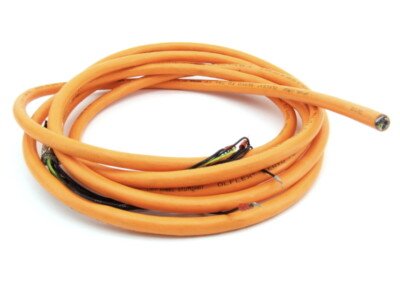
The control cable serves as a core component in modern electrical and industrial systems. These cables transmit control signals between equipment and control panels. This transmission maintains machine operation, automation, and communication. This article explains the applications, specific types, and selection factors. Understanding control cable features helps buyers make accurate decisions. The right selection supports continuous operation in demanding environments. Identifying specific equipment requirements prevents system failures.
What Is a Control Cable?
A control cable is a specialized multi-conductor cable. It manages regulation functions in electrical systems. Power cables distribute high-voltage energy. The electrical control cable handles low-voltage signals for automation machinery. This fundamental difference dictates their physical design. Industrial automation depends on these precise signals to operate effectively. Basic construction includes a copper conductor, insulation, and an outer sheath. Variations include the PVC control cable and the XLPE control cable. These internal layers protect the signal from external disruption. Careful construction guarantees the signal reaches the intended panel without data loss.
Key Features of Control Cables
Specific manufacturing characteristics dictate how these signal cables perform. Buyers must evaluate these construction details before installation. The physical components determine long-term operational success.
- Flexible construction allows factory installers to bend flexible control cables around tight machine corners safely.
- High-quality copper conductors move delicate electrical signals rapidly across the manufacturing floor.
- Excellent electrical conductivity maintains strong signal distance without suffering from data loss.
- Durable insulation materials protect the internal copper wiring from external physical damage.
- The sheath offers resistance to oil, chemicals, moisture, and abrasion in harsh environments.
- Flame-retardant properties stop fire from spreading along the cable path during emergencies.
- Proper material selection yields a long service life under continuous daily factory operation.
- Manageable weight and flexibility mean easy installation in tight control panel spaces.
- The primary function remains reliable signal transmission between remote sensors and logic units.
Applications of Control Cables
Engineers implement these signal cables across multiple industrial sectors. Specific facilities require accurate signal routing for daily operations. We will examine these primary functional areas.
Industrial automation
Automated assembly lines rely on continuous signal feedback. The industrial control cable connects remote sensors to logic controllers. This connection keeps the automated machinery running on programmed schedules without interruption.
Manufacturing plants
Large production facilities utilize these cables to monitor equipment status constantly. Production managers depend on accurate panel readings. Control cable uses expand across heavy stamping presses and delicate packaging machinery.
Machine tools
Computer numerical control machines require extremely precise physical movements. Cables send location data from the main computer to the cutting tool. This rapid data exchange creates highly accurate metal parts.
Power generation
Power plants must monitor turbine speeds and valve positions constantly. Signal cables transmit this mechanical data directly back to the central control room. Operators adjust the main generation output safely.
Chemical processing
Chemical reactors need exact temperature and pressure monitoring always. The shielded control cable protects these sensitive sensor readings from nearby electrical noise. Workers maintain stable chemical reactions safely and efficiently.
Oil and gas facilities
Refineries operate in extremely harsh environmental conditions. Rugged outer sheaths protect the internal conductors from corrosive petrochemicals. The control room receives uninterrupted flow rate data from all remote pipeline valves.
HVAC systems
Large commercial heating and cooling networks require automated thermostat adjustments. Control cables link the building temperature sensors to the central chiller units. This network regulates the indoor climates entirely automatically.
Conveyor systems
Heavy material handling belts need perfectly synchronized motor controls. Speed sensors communicate with drive units through signal wiring. Products move smoothly across the entire warehouse without causing damaging mechanical pileups.
Robotics
Complex industrial robots require continuous joint position data. Multi-core cables route signals from the base controller through the moving mechanical arms. The robotic gripper executes the programmed precise automated tasks.
Electrical control panels
The main electrical panel always serves as the central brain. Hundreds of individual cables terminate at these internal terminal blocks. Technicians route the main power and signal lines separately here.
Process control systems
Food and beverage plants use large automated mixing systems. Valve positioners receive open and close commands through the control wiring. The main batch process follows exact recipe specifications continuously every day.
Building management systems
Modern skyscrapers centralize their lighting and security controls. The unshielded control cable connects basic switches to the main management computer. Facility managers monitor total building energy consumption from a desk.
Renewable energy projects
Solar farms track exact sunlight positioning throughout the entire day. Actuators receive movement signals from the central monitoring station. Wind turbines adjust blade pitch angles using similar precise control wiring.
Benefits of Using Control Cables
Proper installation yields noticeable operational improvements immediately. Facilities experience fewer production delays. Control cable benefits justify the initial purchasing and installation costs over time.
- Reliable signal transmission prevents communication errors between the computer and the machine entirely.
- Improved equipment efficiency occurs when motors receive completely accurate speed commands from controllers.
- Reduced electrical interference keeps delicate sensor data accurate near heavy machinery and power lines.
- Increased operational safety happens because emergency stop signals reach the panel instantly without delay.
- Better machine performance results from synchronized component movements on the busy factory assembly line.
- Lower maintenance costs result directly from experiencing significantly fewer unexpected factory electrical wiring failures.
- A longer cable lifespan reduces the frequency of total factory rewiring projects and labor.
- Enhanced flexibility speeds up the physical installation process in narrow spaces within machinery cabinets.
- The structural design supports continuous industrial operations without overheating issues during long production shifts.
- This wiring remains a cost-effective solution for large automation upgrades in older manufacturing plants.
How to Choose the Right Control Cable
Selecting accurate specifications prevents machinery failures.
- Voltage rating: The rating must exceed maximum machinery loads.
- Number of cores: Count the exact wires required for individual sensor connections.
- Conductor material: Pure copper delivers stable signal performance across long floors.
- Cable flexibility: Workers use flexible construction to route lines through tight spaces.
- Shielding requirements: Heavy shielding stops interference from nearby high-voltage motors.
- Environmental conditions: Assess physical hazards carefully before picking the outer jacket.
- Temperature range: Jackets withstand the peak heat levels of your production process.
- Installation method: Physical routing determines if you need rigid armored protection.
- Industry standards: Verify the product meets heavy commercial electrical codes.
- Safety certifications: Fire testing proves the wiring stays safe during emergencies.
- Consider future maintenance and durability requirements: Evaluate lifespan to avoid expensive manual wire replacement later.
Difference Between Power Cable and Control Cable
Engineers separate power delivery and signal routing. Mixing these functions causes severe equipment damage. The following table explains the primary operational differences between these two distinct industrial electrical components.
| Feature | Power Cable | Control Cable |
| Purpose | Distributes energy. | Transmits signals. |
| Voltage handling | High voltage. | Low voltage. |
| Signal transmission | No data. | Precise data. |
| Construction differences | Thick insulation. | Thin conductors. |
| Common industrial applications | Main power. | Connects sensors. |
| Selection based on system requirements | Amperage draw. | Core count. |
Maintenance Tips for Longer Cable Life
Routine physical maintenance always prevents sudden factory downtime. Technicians must inspect electrical routes periodically. Small physical defects lead to major signal loss if ignored.
- Proper installation prevents physical stress on the internal copper connections.
- Installers avoid excessive bending to protect the internal copper strands from breaking completely.
- Metal conduits protect wiring from mechanical damage in heavy factory vehicle traffic areas.
- Regular inspection helps technicians identify outer layer wear before moisture enters the core.
- Technicians check insulation condition near hot engine parts frequently to prevent unexpected meltdowns.
- Sealed connectors actively prevent moisture exposure at the sensitive electrical panel terminal blocks.
- Maintenance teams replace damaged cables promptly to avoid sudden machine failures and downtime.
Conclusion
The control cable establishes accurate and reliable communication between electrical devices and complex automated systems. Selecting the correct cable based on the application, environment, and specific performance requirements improves overall safety, operational efficiency, and long-term reliability. This careful physical selection process directly reduces future maintenance costs in any busy industrial facility.


