 WhatsApp Us Now

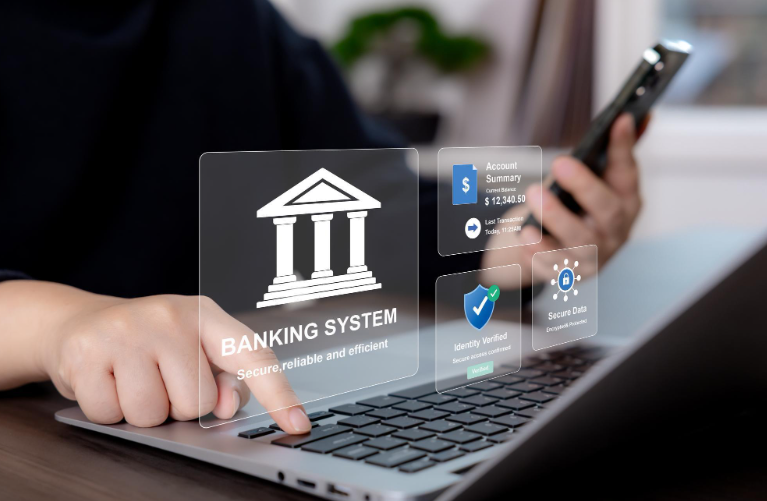
A business may process hundreds of payments, deposits, refunds, and service charges in a single month. Each transaction contributes to its financial position, but recording these entries does not automatically guarantee that the accounts are accurate. Differences between internal records and bank statements can develop because of timing delays, missing entries, duplicate postings, or simple human mistakes. Automated bank reconciliation helps businesses examine these differences more systematically and maintain a clearer picture of their finances.
Consider a retailer that receives payments through cash, cards, and online transfers. Its accounting records may show a sale immediately, while the corresponding bank deposit appears several days later. Without regular reconciliation, such timing differences can create confusion during financial reviews.
The real value of reconciliation lies in understanding why balances differ rather than simply making two figures match. A structured process helps finance teams identify discrepancies, verify supporting information, and maintain records that reflect actual business activity.
Where Manual Reconciliation Creates Delays
Manual reconciliation often involves downloading bank statements, opening accounting records, comparing transaction references, and checking supporting documents. When transaction volumes are low, employees may manage these activities without major difficulty. However, the workload increases as businesses add bank accounts, payment channels, branches, and suppliers.
The challenge becomes more noticeable when transaction descriptions are inconsistent. A bank statement might display an abbreviated vendor name, while the accounting system contains the supplier’s full registered name. Employees must investigate these differences before confirming whether the entries refer to the same payment.
Repeated data entry also increases the possibility of oversight. A transaction may be entered twice, an unexpected fee may remain unnoticed, or a deposit may be assigned to the wrong account. These issues consume time and can affect the reliability of financial reports.
Matching Transactions With Better Context
Transaction matching is not simply a matter of comparing amounts. Finance teams also need to consider dates, reference numbers, payment descriptions, customer details, and the purpose of each entry. Two transactions may have identical values but represent completely different business activities.
Modern reconciliation tools can compare available transaction details and identify entries that appear to correspond. This reduces the need to examine every record manually and allows employees to concentrate on uncertain matches. However, matching suggestions should still be checked against relevant evidence.
For example, a supplier payment may appear in the bank statement under a shortened business name. A system that considers transaction amounts, dates, and historical records may help identify a possible match. The employee can then review the invoice and payment details before approving the entry.
Handling Transactions That Do Not Match
Unmatched transactions deserve attention because they may indicate timing differences, missing information, or accounting errors. An outstanding cheque, a delayed customer deposit, or a bank service charge may explain why an entry appears in one record but not another.
Instead of treating every unmatched item as an error, finance teams should classify the reason behind each difference. Some entries require additional time to clear, while others may need correction or further investigation. This distinction prevents unnecessary adjustments to otherwise accurate records.
A well-organised review process should also record how each discrepancy was resolved. Bank account reconciliation software can help organise these records, while keeping notes and supporting documents allows another employee or manager to understand the decision later. This is particularly useful when financial records are examined during audits or management reviews.
The Value Of Connected Accounting Records
Businesses often maintain financial information across several systems. Bank statements, accounting platforms, invoice repositories, and payment applications may each contain part of the information needed for reconciliation. Moving between these sources manually can make the process slower and more complicated.
Bank account reconciliation software can help bring relevant transaction information into a more organised workflow, depending on its integrations and available features. When records are connected appropriately, finance teams can spend less time collecting information and more time examining differences.
However, businesses should evaluate compatibility before adopting a tool. It should support their accounting platform, bank data formats, transaction volume, and document requirements. Clear access permissions and reliable data handling are equally important when financial information is shared between systems.
Turning Reconciliation Findings Into Useful Insights
Reconciliation records can reveal patterns that are not immediately visible in daily accounting activities. Repeated bank charges, recurring payment delays, frequent duplicate entries, or deposits that consistently arrive later than expected may point towards weaknesses in existing processes.
Finance managers can examine these patterns to improve payment procedures and cash management. For instance, repeated delays in customer deposits may encourage a business to review its collection process or payment gateway arrangements. Similarly, recurring bank fees may prompt a review of account terms and banking services.
These findings make reconciliation useful beyond routine bookkeeping. When reviewed regularly, they help management understand how money moves through the organisation and identify areas where financial procedures could become more efficient.
Protecting Financial Data During Automation
Financial records contain sensitive information about customers, employees, suppliers, and business operations. Introducing digital reconciliation tools therefore requires attention to data security and access management.
Businesses should examine how a software provider stores information, manages user permissions, and protects documents during processing. Access should be limited according to job responsibilities, particularly when employees handle bank statements, payment records, and confidential invoices.
Audit trails also contribute to accountability. They help organisations track changes, review approvals, and understand how reconciliation decisions were made. Regular permission reviews and secure document-handling practices can further strengthen the overall process.
Conclusion
Reliable reconciliation depends on accurate records, meaningful transaction comparisons, timely investigation, and responsible approval. Automation can reduce repetitive administrative work, but its real contribution comes from helping finance teams focus on discrepancies and make informed decisions. Automated bank reconciliation can further organise transaction reviews, making it easier to identify missing entries and investigate unusual activity. Regular monitoring also helps businesses improve financial procedures and maintain greater confidence in their accounting information. Businesses exploring these capabilities may consider solutions such as AI Bookkeeper to support document processing, transaction matching, and structured review workflows alongside their existing accounting systems.


