 WhatsApp Us Now

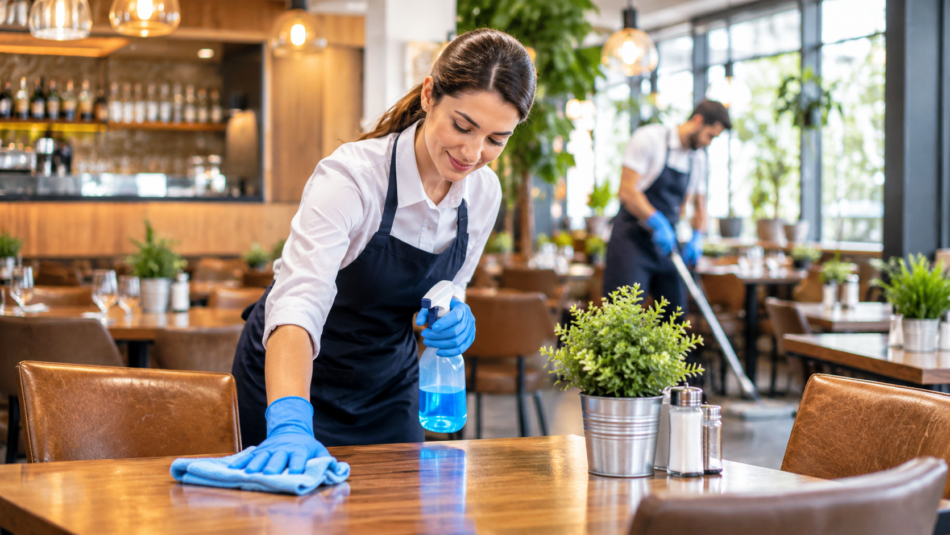
Running a restaurant involves much more than preparing food and serving customers. Maintaining a clean environment is equally important for daily operations, staff comfort, and customer satisfaction. From busy kitchens to dining areas and washrooms, every part of a restaurant requires regular attention to maintain suitable hygiene standards.
However, keeping these spaces clean can become challenging during busy service hours. Food preparation, customer traffic, spills, grease, and waste all contribute to ongoing cleaning requirements. Understanding these challenges helps restaurant owners develop better maintenance routines and determine when professional cleaning for restaurants may be beneficial.
Why Restaurant Cleanliness Requires Consistent Attention
Restaurants experience continuous activity throughout the day. Staff handle food, customers move between dining areas, and kitchen equipment is used repeatedly. These activities can quickly create cleaning requirements that cannot always be addressed during normal operations.
A clean restaurant also influences the overall dining experience. Customers are more likely to feel comfortable in surroundings where tables, floors, service areas, and washrooms are properly maintained.
Consistent cleaning helps businesses maintain a welcoming atmosphere while supporting everyday hygiene practices. It also allows staff to focus on their responsibilities without unnecessary distractions caused by poorly maintained surroundings.
Common Cleaning Challenges in Restaurant Environments
1. Grease and Food Residue in Kitchens
Commercial kitchens are particularly demanding cleaning environments. Cooking oils, grease, food particles, and spills can accumulate around cooking equipment, preparation counters, floors, and extraction areas.
If these deposits are not addressed regularly, they can become difficult to remove. Greasy floors may also create slip hazards for kitchen staff.
Establishing suitable cleaning routines for cooking surfaces, equipment exteriors, floors, and surrounding areas helps manage these issues. Different materials and surfaces may require appropriate cleaning products and methods.
2. Maintaining Dining Areas During Busy Hours
Dining areas experience frequent customer movement, particularly during breakfast, lunch, and dinner services. Tables, chairs, floors, and entrances can become untidy within a short period.
Restaurant employees often need to balance customer service with maintaining these spaces. A practical approach involves cleaning tables between customers, addressing spills promptly, and arranging more detailed cleaning outside peak operating hours.
3. Washroom Hygiene and Maintenance
Customer and staff washrooms require frequent attention because they are shared facilities. Handwashing areas, taps, door handles, toilets, floors, and other frequently touched surfaces need appropriate cleaning.
Regular inspections can help identify issues before they become noticeable to customers. Maintaining soap, handwashing supplies, and other essential items is also part of effective washroom management.
4. Managing Waste and Unpleasant Odours
Food waste is an unavoidable part of restaurant operations. If bins are not emptied regularly or waste storage areas are neglected, unpleasant odours and hygiene concerns can develop.
Restaurants should establish clear waste disposal routines, clean bin interiors when necessary, and maintain suitable waste storage arrangements. Keeping these areas separate from food preparation activities is also important.
Practical Ways to Improve Restaurant Cleaning Standards
Maintaining a clean restaurant does not necessarily require complicated procedures. A structured approach can make everyday maintenance easier.
Develop a cleaning schedule: Divide cleaning responsibilities into daily, weekly, and periodic tasks. This ensures that frequently used areas receive regular attention while less obvious maintenance requirements are not overlooked.
Train employees: Staff should understand basic cleaning responsibilities, appropriate product usage, and the importance of addressing spills immediately. Clear instructions help maintain consistency across different shifts.
Use suitable cleaning equipment: Different surfaces require different cleaning methods. Selecting appropriate equipment and cleaning products helps protect materials while supporting effective maintenance.
Prioritise frequently touched surfaces: Door handles, switches, counters, shared equipment, and other high-contact areas should receive appropriate attention throughout operating hours.
Review cleaning procedures: Restaurant managers should periodically assess whether existing routines are working effectively. Changes in customer numbers, menu preparation, or kitchen operations may require adjustments.
When Should Restaurants Consider Professional Cleaning Services?
Daily staff cleaning is essential, but some maintenance tasks require additional time, equipment, or specialist knowledge.
For example, deep cleaning kitchen floors, addressing accumulated grease, maintaining carpets, and cleaning difficult-to-reach areas may require a more structured approach.
This is where professional cleaning services can complement a restaurant’s internal cleaning routine. An experienced cleaning provider can assess the premises, identify areas requiring additional attention, and recommend a suitable cleaning schedule.
Wilson Commercial Cleaners provides commercial cleaning solutions for businesses across Melbourne, including restaurant environments. Tailored arrangements can help hospitality businesses address their cleaning requirements while working around their operating schedules.
Planning Cleaning Around Restaurant Operating Hours
One of the biggest challenges for hospitality businesses is finding enough time for thorough cleaning without interrupting customer service.
Scheduling cleaning before opening, after closing, or during quieter periods can help reduce disruption. Restaurant managers should also communicate specific operational requirements to their cleaning providers.
A suitable arrangement should consider the size of the premises, kitchen activity, dining capacity, flooring materials, and the frequency of cleaning required.
This approach makes it easier to maintain consistent standards while allowing restaurant employees to concentrate on food preparation and customer service.
Conclusion
Restaurant cleanliness is an ongoing responsibility that influences workplace hygiene, customer experience, and everyday operations. Grease accumulation, food residue, busy dining areas, washroom maintenance, and waste management all require consistent attention.
A combination of staff cleaning routines and professional cleaning for restaurants can help businesses manage these challenges more effectively. By identifying maintenance priorities and establishing suitable cleaning schedules, restaurant owners can maintain more organised and welcoming environments.
For hospitality businesses seeking additional cleaning support, Wilson Commercial Cleaners offers tailored commercial cleaning solutions designed around individual property requirements.
Frequently Asked Questions
1. Why is regular restaurant cleaning important?
Regular cleaning helps maintain hygienic surroundings, manage food residue, reduce dirt accumulation, and create a more comfortable environment for customers and employees.
2. Which restaurant areas require the most frequent cleaning?
Kitchen preparation areas, cooking surfaces, dining tables, washrooms, floors, and frequently touched surfaces generally require regular attention because they experience continuous use.
3. How often should a restaurant undergo deep cleaning?
The frequency depends on the restaurant’s size, operating hours, cooking activities, and cleaning requirements. Some areas may need daily attention, while more detailed cleaning can be scheduled weekly or periodically.
4. Can restaurant cleaning take place outside business hours?
Yes. Cleaning can often be arranged before opening, after closing, or during quieter operating periods to minimise disruption to employees and customers.
5. What should restaurant owners look for in a cleaning company?
Restaurant owners should consider reliability, scheduling flexibility, relevant commercial cleaning experience, communication, and the ability to provide cleaning arrangements suited to their premises.


