 WhatsApp Us Now

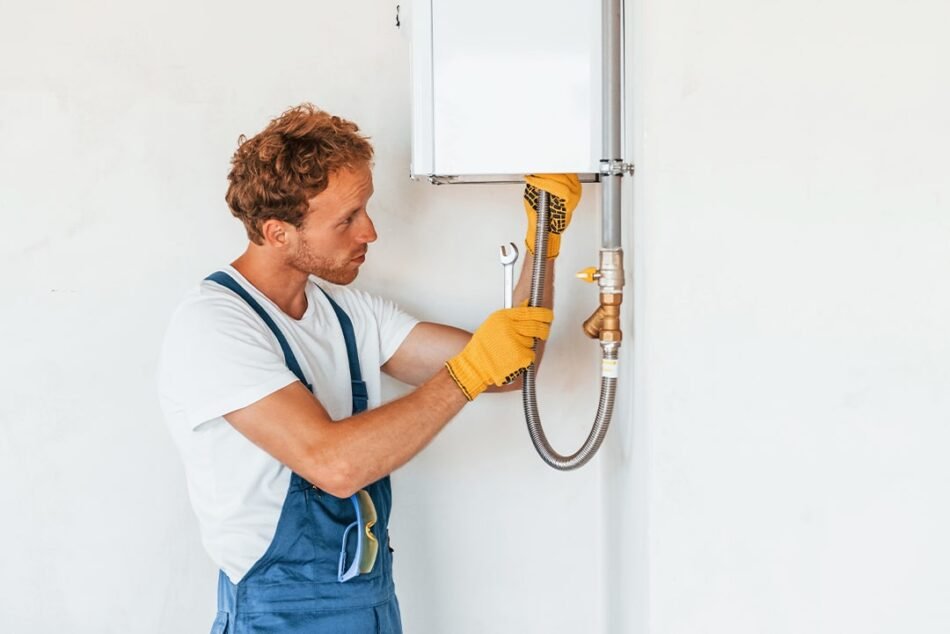
Most people give their water heater little attention until the shower turns cold or a puddle appears near the unit. By then, an unfamiliar problem can become a rushed decision. Understanding the different services available helps you respond with a clearer idea of what your system needs.
When comparing water heater services New Jersey residents can arrange, it helps to separate routine care, fault diagnosis, repairs, and equipment replacement. Each serves a different purpose. Booking the right kind of visit can make the conversation more useful and reduce confusion about the work involved.
Your starting point does not need to be technical. Think about how the equipment has performed, whether your hot water needs have changed, and when someone last inspected it. Those details can help a plumber assess the situation and explain your options.
When Everything Seems to Be Working
A working heater can still benefit from attention based on its condition and manufacturer’s instructions. During a planned visit, a professional can assess relevant components, look for visible deterioration, and discuss changes you have noticed. This gives you a chance to address concerns without the pressure of an unexpected breakdown.
The appropriate water heater maintenance plan depends on the equipment, water conditions, use, and service history. A storage tank and a tankless appliance do not require identical care. Ask for recommendations matched to your model rather than assuming one schedule or procedure suits every system.
What Routine Care May Involve
Depending on the appliance, servicing may include inspecting connections, checking controls, assessing safety components, and reviewing sediment or scale concerns. Some storage tanks also require attention to an anode rod, while tankless equipment may need descaling under specified conditions.
Ask the technician to distinguish between work completed during the appointment and work being recommended for later. A written record makes it easier to track the system’s condition and understand what your next visit should cover.
Routine care can help identify developing problems, but it cannot guarantee that an aging appliance will never fail. Keep expectations practical and follow the manufacturer’s guidance.
When Performance Starts Changing
A service call becomes more useful when you can describe a pattern. Does the water become cool halfway through every shower? Does the problem occur only when several fixtures run together? Is one bathroom affected while another still receives hot water?
These differences help separate an appliance problem from a fixture issue or a change in demand. They also help the technician decide what to investigate first.
Before the appointment, note when the symptoms began and whether anything changed around that time. A recent plumbing repair, power interruption, or additional household member may provide useful context.
Diagnosis Comes Before Parts
An unfamiliar noise or temperature change does not identify a failed component by itself. Ask the plumber to explain what testing supports the diagnosis and how the proposed repair addresses the findings.
You should also understand the limits of the recommendation. Replacing one faulty part does not mean the contractor has promised that every other component will remain trouble-free. A clear explanation helps you decide whether the repair offers reasonable value.
When Repair Is a Sensible Option
Repair may be worth considering when the fault is isolated, suitable parts are available, and the remaining equipment is in serviceable condition. The decision should account for more than the appliance’s age.
Ask about the repair cost, the unit’s overall condition, previous service needs, and any applicable warranty coverage. If the system has struggled to meet demand for years, fixing a broken part may restore its previous performance without solving the capacity problem.
For example, replacing a failed control could address a sudden heating fault. However, that work would not automatically make an undersized system support several simultaneous showers.
What the Estimate Should Explain
A useful repair estimate identifies the diagnosed problem, proposed work, and expected charges. It should also explain whether further findings could change the scope.
Find out whether the visit includes testing after the repair and what support applies if the same symptom returns. Keep the invoice because future technicians may need to know which components have already received attention.
When Replacement Deserves a Closer Look
Replacement becomes a more relevant discussion when the storage tank itself has a confirmed leak, repeated faults keep interrupting service, or the current equipment no longer suits the property. Manufacturer guidance distinguishes a leaking tank from repairable leaks at other components.
The next step involves choosing suitable equipment rather than simply copying the old label. Consider your busiest period of hot water use, available space, energy source, and installation requirements.
A family that schedules showers one after another may need a different solution from a household that uses several bathrooms at once. Tell the installer how the property actually operates.
Understand Delivery Performance
Tank capacity describes stored volume, but it does not tell the whole story. First-hour rating helps describe how much hot water a fully heated storage unit can deliver over an hour. Tankless sizing considers flow and the required temperature rise. Ask the installer to connect those measurements to your daily needs.
Avoid assuming that the largest available model offers the best value. The goal is an appropriate fit, supported by an explanation you can understand.
When the Existing Setup Needs Changes
Switching equipment types can expand the project. A conversion may require changes to venting, energy connections, drainage, or the installation location, depending on the appliance.
Discuss these supporting tasks before approving the purchase. Ask which trades will participate, how access will work, and whether the project involves more than one appointment.
Even a similar replacement deserves an assessment of the current connections and available space. New equipment may have different dimensions or service requirements.
| Service need | Main purpose |
| Planned inspection | Review condition and identify concerns |
| Diagnostic visit | Establish why a symptom is occurring |
| Component repair | Address a confirmed, repairable fault |
| Equipment replacement | Renew an unsuitable or failed appliance |
| System conversion | Change equipment type with supporting modifications |
This distinction helps you ask for the right appointment. It also reduces the risk of comparing quotes that cover different amounts of work.
Make the Service Appointment Easier
Gather the model number, serial number, approximate age, and previous invoices if available. Take photographs only from a safe position without removing covers or moving equipment.
Clear a reasonable path to the unit and mention stairs, tight doors, shared utility rooms, or building access rules when booking. These details can affect preparation and scheduling.
When speaking with Doctor Water Heater, explain both the immediate concern and any longer-term performance problems. That gives the business more useful information than a general request to check the heater.
Confirm the Practical Details
Before accepting work, clarify the assessment fee, proposed scope, payment terms, and how additional charges will be approved. For projects involving permits, ask who will establish the requirements and manage the arrangements.
Request the responsible professional’s credentials and check them through the appropriate state system. Then keep the estimate and final invoice with your equipment records.
Build a Service Plan Around Your Actual System
The right service depends on what is happening today and what the property needs over time. Keep records, respond to changing performance, and ask for model-specific care advice. When a repair or replacement is proposed, understand the evidence behind it and the limits of the work. This approach helps you make decisions at a manageable pace and gives you a stronger basis for planning future expenses.
Frequently Asked Questions
How often should my heater receive professional attention?
The appropriate interval depends on the model, manufacturer’s instructions, water conditions, and usage. Ask a qualified professional to recommend a schedule after reviewing your equipment, condition, and previous service records in detail.
Does routine servicing prevent every breakdown?
No service plan can prevent every component failure. However, appropriate inspections and care can help identify concerns, support reliable operation, and give you useful information when planning repairs or a future equipment purchase.
What should I prepare before a service visit?
Gather the model details, approximate age, and previous invoices. Describe the symptoms and their timing, then explain access restrictions. Avoid removing covers or disturbing connections to collect information before the technician arrives.


