 WhatsApp Us Now

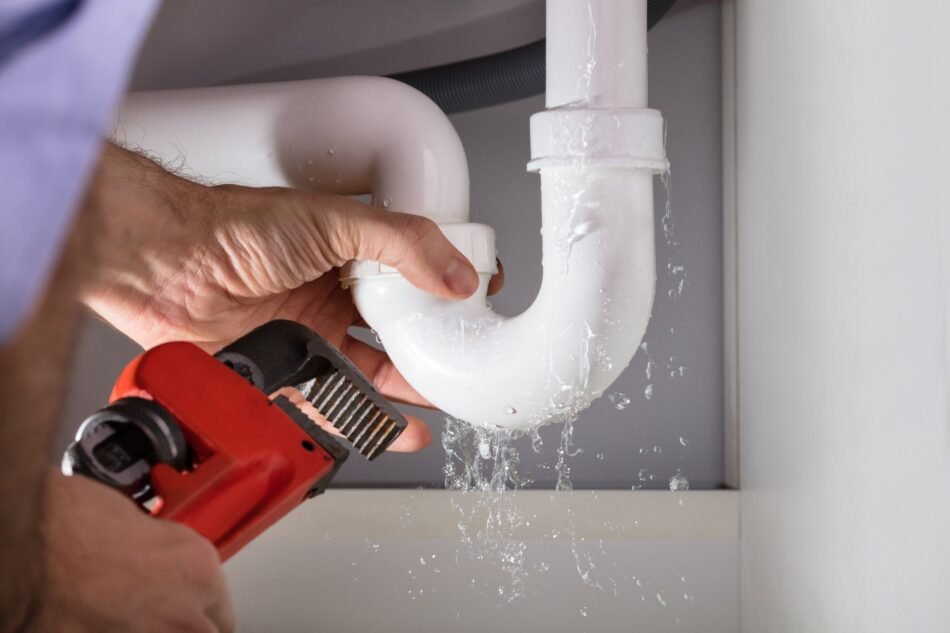
A sink that drains slowly once may have a small blockage near the opening. A faucet that drips occasionally may need a straightforward repair. However, when the same problems return, the cause may extend beyond the fixture you can see. Repeated symptoms deserve attention because clearing the immediate problem does not always resolve the condition behind it.
People comparing Plumbing Repair Services in NJ often begin with a specific concern: a leaking connection, an unreliable toilet, or water collecting beneath a sink. Those observations matter, but history matters too. How often has the problem occurred? What work has already been done? Does another fixture behave differently when the affected one runs?
Looking at the plumbing as a connected system can help explain these patterns. Drainage, water supply, fixture condition, and previous repairs can all influence what happens inside a property. Before paying for another temporary fix, gather a few details that help a professional identify where the problem starts.
Separate an Isolated Blockage From a Wider Drainage Problem
A problem affecting one fixture may be close to that fixture. For example, a bathroom sink can collect hair, soap residue, and other material around its stopper or trap. However, several fixtures draining poorly at the same time suggest that the investigation may need to extend farther along the drainage system.
When backups affect multiple areas, sewer and drain cleaning services may form part of the response. The appropriate method depends on the location and cause of the restriction. A contractor should consider the symptoms and pipe condition before selecting cleaning equipment or recommending further inspection.
Pay attention to connections between fixtures. Does the shower drain react when the toilet flushes? Does water appear at a low drain while the washing machine empties? These details do not establish a diagnosis by themselves, but they can help the contractor decide where to begin.
Keep a Record of What Returns and When
Recurring plumbing problems become easier to discuss when you have a simple timeline. Write down when the issue first appeared, what you noticed, and how long the previous repair lasted. Include whether the symptoms occur daily, after heavy use, or only under certain conditions.
Photographs can also help explain intermittent leaks. A connection may be dry during a service visit even though it leaked the night before. A clear photograph showing the location and surrounding area gives the technician useful context. Avoid touching electrical equipment or entering unsafe spaces to document a problem.
Keep any previous invoices or repair descriptions. Knowing that a drain was cleared twice within several months can change the next conversation. Instead of repeating the same work automatically, you can ask whether the cause needs further investigation.
Record Changes in Water Use
A new appliance, additional occupants, or a recently opened business can change how plumbing gets used. Mention those changes during the appointment. They may help explain why a previously unnoticed weakness has become a regular concern.
Investigate Recurring Leaks Beyond the Visible Water
Water does not always appear directly beneath its source. It can travel along a pipe, cabinet panel, or wall surface before becoming visible. As a result, the damp area you notice may be the end of the path rather than the beginning.
A recurring leak may involve a worn connection, damaged fixture, supply line, or another component. Sometimes an earlier repair addressed one leaking point while a nearby issue remained. A careful inspection helps determine whether the problem is isolated or part of a larger condition.
Describe whether the leak occurs continuously or only when a fixture operates. Water appearing after a shower may suggest a different investigation from water collecting beneath an unused sink. Also mention staining, swelling, or a musty smell, even if you cannot currently see active dripping.
Avoid repeatedly tightening fittings without understanding the connection. Excessive force can damage some components and make the repair harder. When a leak returns, the goal should be to identify why the connection or fixture is failing.
Know What Cleaning Can and Cannot Solve
Cleaning can remove certain obstructions and restore flow. However, it does not repair every problem that affects drainage. A damaged pipe, defective connection, or unsuitable pipe arrangement may require work beyond clearing accumulated material.
If a contractor recommends cleaning again, ask what makes this visit different from the previous one. Will the work reach another part of the line? Has the likely cause changed? Is an inspection appropriate after the obstruction is removed? The answers should connect the proposed service to the recurring symptoms.
Some situations may justify a camera inspection where access and pipe conditions permit. This can help document visible internal conditions, but it does not automatically answer every question. Ask what the inspection can establish and whether any limitations affect the findings.
Ask for Findings in Plain Language
A useful explanation should identify the affected area, describe what was found, and explain the next step. You should be able to understand why the contractor recommends cleaning, repair, or further investigation.
Avoid Habits That Keep the Problem Coming Back
Daily habits can contribute to certain blockages. Grease, food scraps, hair, wipes, and other material can create problems when they enter drains. Changing these habits will not repair damaged plumbing, but it can reduce avoidable strain on a functioning system.
Use suitable drain strainers and empty them regularly. Keep cooking grease out of sinks, and follow local disposal guidance. In bathrooms, place wipes and other unsuitable items in the trash, even when product packaging suggests they are convenient to flush.
Be cautious about repeatedly using chemical drain cleaners. Products vary, and their instructions and compatibility matter. Never mix cleaning products. Tell the plumber what you have already poured into the drain so they can plan the work with that information.
A preventive routine should match the property. A busy kitchen, rental building, and lightly used bathroom have different patterns of use. Ask for practical maintenance advice based on the system rather than assuming every drain needs the same treatment.
Decide Which Problems Need Prompt Attention
An occasional slow drain and an active sewage backup require different responses. When wastewater enters living areas or several fixtures stop draining, limit use of the affected plumbing and arrange professional help. Continuing to run water can add to the cleanup.
For an active supply leak, use the relevant shutoff valve if you know its location and can reach it safely. If water is near electrical equipment, avoid the area and seek appropriate assistance. Do not assume a damp cabinet or ceiling is safe simply because the flow appears small.
Other concerns may allow a scheduled appointment, but they still deserve attention. Repeated dampness beneath a sink, a toilet that frequently leaks at its base, or a stain that grows after fixture use should not become part of the normal routine.
Before calling, gather a few useful details:
- Which fixtures are affected.
- When the symptoms started.
- Whether the issue has happened before.
- What repairs or cleaning have already been attempted.
- Whether water or wastewater is currently escaping.
Compare Repair Proposals by Scope
Two plumbing estimates can describe very different work. One may cover clearing an obstruction, while another includes access, inspection, and a pipe repair. Comparing the total price without reading the scope can make those proposals difficult to judge.
Ask what is included, what remains uncertain, and what could change once the work begins. If a pipe is concealed, the contractor may not know its full condition until access is available. That uncertainty should be explained before work proceeds.
Also discuss restoration. Opening a wall or cabinet may be necessary for access, but replacing the finished surface may fall outside the plumbing scope. Knowing who handles each part helps you plan the complete job.
A clear proposal should explain how the contractor will check the result. That might include operating the affected fixture, checking connections, and confirming drainage under suitable conditions. Verification should relate to the original complaint.
Address the Cause Before Another Temporary Fix
Recurring leaks and slow drains call for a closer look at the pattern, previous work, and surrounding system. The next useful step may be cleaning, a targeted repair, or additional investigation. The right choice depends on what the contractor finds.
EZ Flow Plumbing & Heating LLC can assess plumbing concerns in New Jersey and explain suitable service options. Bring your observations and repair history to the conversation so the visit begins with a clear picture of what keeps returning.


