 WhatsApp Us Now

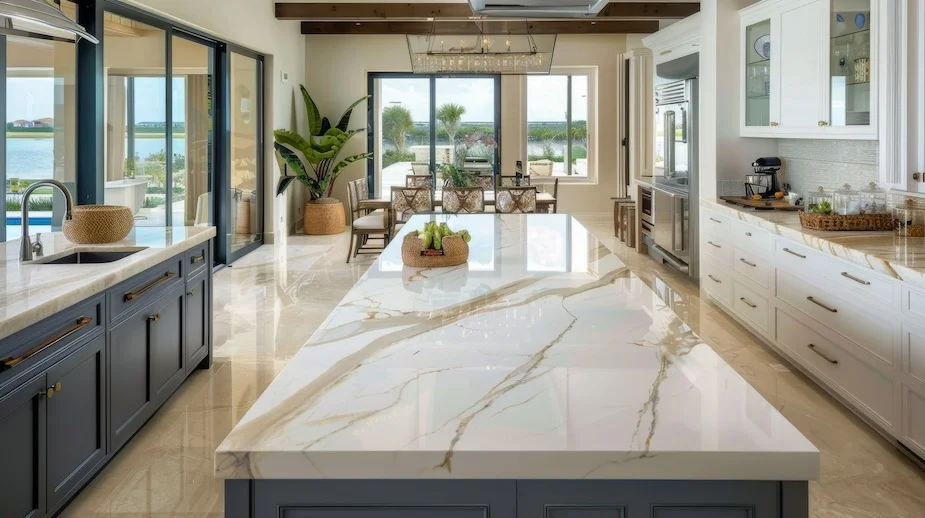
Imagine finishing a kitchen renovation and noticing a dull ring beside the sink a week later. The countertop is clean, yet the mark remains. For someone who expected marble to stay perfectly polished, that moment can feel disappointing. For someone who understood the material before buying it, the same mark may seem manageable.
That difference in expectations matters. Marble brings natural veining and a distinctive appearance to a kitchen, but daily use can change its surface. Before choosing a slab, you need to decide whether you want a material that develops character or one that demands fewer compromises around food and spills.
The appeal of natural marble countertops becomes easier to judge when you consider both sides together. A beautiful pattern may draw you in, but your cooking habits, cleaning routine, and tolerance for visible wear should help determine whether you move forward.
The First Decision Is How You Feel About Wear
Some people enjoy a kitchen that shows signs of regular use. They accept small surface changes because the room feels comfortable and lived in. Others notice every dull spot and prefer finishes that remain visually consistent. Neither preference is wrong, but marble tends to suit the first outlook more comfortably.
Think about a normal evening in your kitchen. Someone slices a lemon, another person pours a drink, and dinner leaves a few splashes around the stove. You can reduce the chance of marks with good habits. However, expecting everyone to protect the counter perfectly can make everyday cooking stressful.
A large island often receives more use than buyers expect. Before selecting marble for your kitchen worktops, consider whether that island will handle food preparation, meals, homework, or all three. Its role matters more than how carefully someone styled a similar surface in a photograph.
Learn the Difference Between an Etch and a Stain
A dull patch and a dark spot may look like versions of the same problem, but they can have different causes. Understanding that distinction helps you avoid unsuitable cleaning methods and unrealistic promises about protection.
Etching Changes the Surface
Acidic substances can react with marble and alter its finish. Lemon juice, vinegar, and some food spills may leave a dull area, particularly noticeable against a polished surface. This reaction is called etching.
Because etching changes the surface, ordinary cleaning will not necessarily remove it. A countertop can be clean and still have an etch mark. Also, a penetrating sealer does not prevent this reaction.
Staining Changes the Color
A stain occurs when a substance enters the stone and leaves discoloration. Oil and colored liquids can cause problems, depending on the marble and how long the spill remains.
A suitable sealer can help reduce absorption where needed. However, it does not make the countertop immune to stains. If a mark appears, follow the stone’s care guidance rather than experimenting with strong cleaners or abrasive pads.
Choose the Finish Before Finalizing the Slab
Many buyers focus on veining first and discuss the finish later. However, the finish affects how marble looks in the room and how certain surface changes appear. It deserves attention during the initial selection. Polished marble reflects light and gives the surface a glossy appearance. That shine can emphasize the stone’s pattern. On the other hand, a dull etch may stand out because it interrupts the reflection.
Honed marble has a matte appearance. Some surface changes may blend into that finish more easily, although honing does not prevent etching or eliminate maintenance. Ask to see your preferred stone in the intended finish before deciding. Also, examine the sample under more than one light source. Daylight, ceiling fixtures, and lighting beneath cabinets can reveal different details. For a Maryland kitchen with strong window light, this comparison can help you set realistic expectations about what you will notice.
Budget for the Finished Countertop
The price of a marble slab tells you only part of the project cost. Your kitchen needs measured, fabricated, delivered, and installed pieces. Consequently, two quotes for the same general material can differ because they include different work.
Ask for an estimate that identifies the selected stone, thickness, finish, edge profile, and cutouts. Then, confirm whether the company includes removal of the existing counters, disposal, and any plumbing work. These details make the final number easier to understand.
Material Usage Can Affect the Price
A fabricator cannot always use every part of a slab for your layout. Pattern direction, dimensions, cutouts, and areas that need special consideration affect how the pieces fit.
Therefore, a modest increase in countertop size could require another slab. Ask the fabricator to explain material usage, especially if your design includes a large island or waterfall ends.
Decorative Details Add Work
An elaborate edge or complex layout can increase fabrication requirements. However, a simple profile can still look attractive when it suits the cabinetry and room.
If the estimate exceeds your budget, discuss alternatives before changing materials entirely. A different slab, simpler edge, or adjusted layout may help, although the savings depend on the project.
Plan Around the Places That Receive the Most Use
Not every part of a kitchen faces the same conditions. The area beside the stove may collect oil splashes, while the sink surround receives frequent water and cleaning. Meanwhile, an island may become the main preparation space even if the original plan suggested otherwise. Map out these activities before deciding where to use marble. This can reveal whether a full marble kitchen feels practical or whether a smaller application would suit you better.
For example, you might choose marble for a dedicated baking area and another surface elsewhere. Alternatively, you may prefer one continuous material and accept the care involved. Either approach can work when it reflects your actual routine. If you combine materials, compare the samples together. Look at their undertones, patterns, and edge details beside your cabinets. A mixed-material design needs coordination just as much as a kitchen with one countertop surface.
Keep Daily Care Simple and Consistent
A useful maintenance routine should be easy to follow on a busy day. Start with a soft cloth and a cleaner suitable for marble. Follow the instructions supplied for your stone, including any guidance about sealing.
Avoid vinegar-based cleaners and acidic products designed to remove limescale. Also, check before using abrasive cleaning tools. A product that works well on another household surface may damage marble.
Small changes can reduce avoidable marks:
- Keep a cutting board near the main preparation area.
- Place cooking oils on an easy-to-clean tray.
- Use coasters beneath drinks.
- Set hot cookware on suitable trivets.
- Wipe up food and liquid spills promptly.
Nevertheless, choose marble with room for ordinary mistakes. If occasional wear would make you regret the purchase, a different countertop may offer a more comfortable fit. Maintenance should support your enjoyment of the kitchen.
Review the Actual Stone and Installation Plan
A sample cannot show the full movement of a marble slab. Before approving the purchase, inspect the actual material whenever possible. Look at the overall pattern first, then examine individual features you want the fabricator to explain.
Next, discuss where the major countertop sections will sit within the slab. Strong veining may look different across a broad island than along a narrow perimeter run. Seam placement can also affect how the pattern continues.
When discussing your renovation with USA Marble & Granite, bring a layout and samples of nearby finishes. Explain your priorities clearly, including your budget and concerns about maintenance. Also, confirm service availability for your Maryland address and ask who will coordinate each stage.
Finally, get the agreed scope in writing. Confirm the selected material, finish, proposed work, payment terms, and preparation requirements. These details help connect your design choice with a clear installation process.
Conclusion
Marble can be a rewarding choice when you appreciate its natural variation and understand how use may change its surface. However, its appearance should never be the only reason you choose it.
Before committing, consider your response to etching, compare finishes, and review the complete installed cost. Then, inspect the actual slab and discuss the layout with your fabricator. A well-informed choice gives you a kitchen you can use comfortably and enjoy over time.


