 WhatsApp Us Now

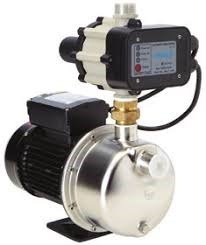
Choosing suitable water pumps in Melbourne helps homeowners make better use of collected rainwater. A pump moves stored water from the tank to taps, gardens, or appliances. Without enough pressure, some household fixtures may not work as expected. The right system depends on water demand, tank location, and property size. Understanding these factors can help avoid poor performance and unnecessary running costs.
Rainwater harvesting can reduce reliance on mains water for suitable household tasks. Garden watering, toilet flushing and laundry are common uses for collected rainwater. However, these activities may require different water pressure and flow rates. A properly matched pump can support daily use without straining equipment.
What Should You Consider Before Choosing a Water Pump?
A pump’s performance depends on how much water it delivers at once. Flow rate measures water volume, while pressure determines how strongly water moves. Both matter when supplying taps, irrigation systems, or household appliances.
For example, watering a small garden may require less pressure than running several outlets. A two-storey home may also need greater pumping capacity than a single-level property. Choosing an oversized pump can increase energy use without providing useful benefits.
Several features deserve attention before purchasing:
- Flow rate: Check how much water the pump can deliver each minute.
- Water pressure: Match the output to connected taps and household fixtures.
- Pump type: Compare external and submersible models based on available space.
- Noise: Consider quieter models when installing pumps near living areas.
- Protection: Look for dry-run protection to prevent damage during low water levels.
Discuss these details with a pump supplier or licensed plumber before installation.

How Do Water Tanks Affect Pump Performance?
The size and position of water tanks can influence how well a pumping system works. Round tanks suit properties with enough space, while slimline models fit narrow areas. Underdeck designs can also make use of space beneath raised outdoor structures.
However, the tank capacity should suit how much rainwater the property is likely to use and the size of the collection area. Bigger tanks hold more water, but they also need more room to install. The pump must also be compatible with the tank design and the outlet connections.
Some shallow tanks require external pumps because standard submersible models are too big. Longer pipe runs can also reduce pressure before the water reaches its destination. Good planning ensures a steady flow throughout the connected system.
How Can You Keep Your Rainwater System Running Efficiently?
Regular maintenance helps prevent blocked pipes, weak pressure, and unexpected pump problems. Leaves and roof debris can enter the collection system without suitable screens. Cleaning gutters and inlet filters helps maintain better water flow.
Check for leaking connections, unusual pump noises, and changes in water pressure. A pump that runs continuously may indicate a leak or controller’s fault. Never operate a pump without water unless its design specifically allows it.
Keep the tank covered and ensure insect screens remain clean and secure. Arrange professional service when the system shows signs of poor performance.
A reliable rainwater system needs the right equipment and proper ongoing care. Compare pump features, tank capacity and installation requirements before purchasing. Explore suitable water pumps in Melbourne to make better use of stored rainwater.


