 WhatsApp Us Now

The UK farming industry, a cornerstone of the country’s economy and food security, is undergoing a significant transformation in how it powers its operations. At the heart of this change is the fuel that drives machinery, vehicles, and other essential equipment across the agricultural sector. As environmental concerns grow and energy costs fluctuate, the role of fuel in UK farming is facing increased scrutiny. Farmers are caught between the pressures of meeting sustainability targets and maintaining operational efficiency.
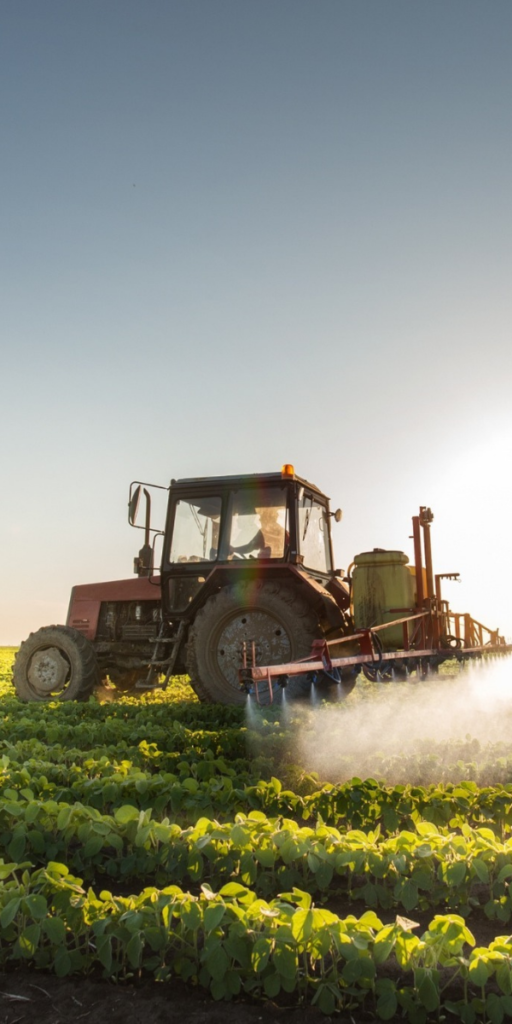
Traditionally, red diesel—also known as gas oil—has been the primary fuel used by UK farmers. Red diesel is chemically identical to standard diesel but is taxed at a lower rate when used for off-road purposes, such as in tractors and combine harvesters. However, recent government reforms have limited the use of red diesel in certain sectors to reduce carbon emissions. While agriculture remains one of the few areas still permitted to use red diesel, the debate over its long-term viability continues.
One of the main concerns is the environmental impact of diesel use. The UK government’s net-zero emissions target by 2050 places pressure on all sectors, including agriculture, to adopt cleaner technologies. Diesel-powered engines emit nitrogen oxides and particulate matter, both of which contribute to air pollution. As a result, there is growing interest in transitioning to more sustainable fuel alternatives such as biodiesel, hydrotreated vegetable oil (HVO), and even electric or hydrogen-powered farm machinery.
However, the transition to greener fuels is not without its challenges. Alternative fuels can be more expensive and may require significant investment in new equipment or retrofitting existing machinery. Infrastructure is another issue, as rural areas often lack the charging or refueling stations needed for electric or hydrogen-powered vehicles. Additionally, farmers are facing financial uncertainty due to global market volatility, rising input costs, and post-Brexit subsidy changes, making large-scale fuel transitions less immediately feasible.
Despite these hurdles, the UK farming sector is showing signs of innovation. Pilot programs and government-backed initiatives are exploring the potential of alternative energy sources. For example, some farms are generating their own biofuels from waste products or integrating solar and wind power into their operations. These efforts not only reduce dependence on fossil fuels but also promote energy resilience and local sustainability.
There is also a growing call for more targeted government support to help farmers make the switch. Subsidies, grants, and tax incentives for adopting cleaner fuel technologies could ease the financial burden and accelerate the industry’s green transition. Clearer guidance on emissions regulations and fuel usage rights will also help farmers plan for the future with more confidence.
In conclusion, while diesel remains the dominant fuel in UK farming today, the sector is at a critical juncture. The path forward will likely involve a mix of improved diesel efficiency, adoption of alternative fuels, and gradual integration of renewable energy technologies. For the UK to achieve its environmental goals without compromising agricultural productivity, a balanced and well-supported approach to farming fuel is essential.


