 WhatsApp Us Now
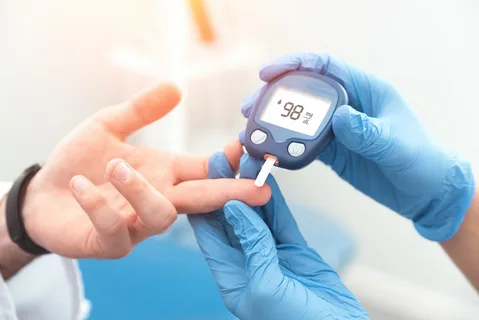
Diabetes is often discussed as a single condition, but type 1 and type 2 diabetes are fundamentally different in how they develop and how quickly symptoms appear. Understanding the symptoms of type 1 and type 2 diabetes separately can help patients and caregivers recognize warning signs faster and seek the right kind of care. At HealthBeam Wellness, our providers specialize in distinguishing between the two so patients get an accurate diagnosis from the start.
Understanding the Core Difference
Type 1 diabetes is an autoimmune condition in which the body’s immune system attacks insulin-producing cells in the pancreas, usually resulting in little to no insulin production. Type 2 diabetes, on the other hand, develops when the body becomes resistant to insulin or doesn’t produce enough to keep blood sugar levels normal. This distinction affects not just treatment, but also how quickly and severely symptoms tend to appear.
Symptoms of Type 1 Diabetes
Type 1 diabetes often develops rapidly, sometimes over just a few weeks, and symptoms tend to be more severe at onset. Common signs include sudden and significant weight loss, extreme thirst and frequent urination, intense fatigue, nausea or vomiting, and fruity-smelling breath, which can indicate a dangerous condition called diabetic ketoacidosis. Because type 1 diabetes frequently appears in children and young adults, parents should be especially alert to these signs.
Symptoms of Type 2 Diabetes
Type 2 diabetes usually develops more gradually, sometimes over several years, which is why many people don’t notice symptoms until the condition has progressed. Common indicators include increased thirst and hunger, fatigue, blurred vision, slow-healing wounds, frequent infections, and areas of darkened skin, particularly around the neck or armpits. Because symptoms build slowly, routine screening is often the only way to catch type 2 diabetes early. Our type 1 and type 2 diabetes care team helps patients navigate this exact challenge, offering evaluations tailored to each type.
Why Misdiagnosis Happens
Because some symptoms overlap, misdiagnosis is more common than people realize, especially in adults developing type 1 diabetes later in life, a condition sometimes referred to as LADA (latent autoimmune diabetes in adults). Getting a precise diagnosis often requires additional testing beyond a basic blood sugar check, including antibody tests that can distinguish autoimmune type 1 diabetes from insulin-resistant type 2 diabetes.
Managing Each Type Differently
Because the underlying mechanisms differ, treatment approaches vary significantly. Type 1 diabetes almost always requires insulin therapy from diagnosis onward, while type 2 diabetes may initially be managed through lifestyle changes, oral medications, or a combination of approaches before insulin becomes necessary. Patients using insulin, regardless of type, often benefit from proper training. Our insulin delivery device training program helps patients confidently manage injections or pump systems as part of their treatment plan.
Getting an Accurate Diagnosis
If you or a loved one is experiencing any combination of these symptoms, don’t wait to get evaluated. An accurate diagnosis early on leads to a more effective treatment plan and reduces the risk of complications. Reach out through our contact page to schedule an evaluation with a provider who can help determine exactly what type of diabetes you may be dealing with.


