 WhatsApp Us Now
Moving a vehicle across state lines can be much easier when you understand how professional auto transportation works. Whether you are relocating, purchasing a vehicle from another state, sending a car to a family member, or moving for work, choosing to ship a car can save time and reduce the demands of a long-distance drive.
Rapid Auto Shipping provides vehicle transportation services throughout the USA, helping customers arrange interstate shipments according to their routes, vehicle types, and preferred transportation options.
When Shipping a Car Makes Sense
Not every vehicle move requires the owner to drive. Long-distance travel can involve fuel, lodging, meals, additional mileage, and significant time behind the wheel.
Professional transportation can be particularly useful when:
- You are moving to another state.
- You purchased a vehicle from a distant seller.
- A family member needs a vehicle in another location.
- You are relocating for employment.
- You own a classic or specialty vehicle.
- You want to avoid adding unnecessary mileage to your car.
- You need to move multiple vehicles during a relocation.
The right transportation arrangement depends on the route, timing, vehicle, and individual circumstances.
Start With the Route, Not the Carrier
One of the easiest ways to approach interstate auto transport is to begin by defining the journey.
Identify the exact pickup and delivery cities, preferred time frame, and vehicle type. This information gives a transportation provider the basic details needed to determine suitable carrier arrangements.
Popular interstate corridors can have frequent carrier movement, while remote destinations may require additional coordination. Pickup accessibility can also influence how the shipment is planned.
A residential address with limited truck access may require a nearby meeting point where the carrier can safely load or unload the vehicle.
Selecting the Right Transport Method
Once the route is established, consider which type of carrier fits your vehicle.
- Open Carrier Transportation
Open transport is commonly used for everyday cars, SUV, pickups, and other standard vehicles. Several vehicles can be transported on the same carrier, making this a practical choice for many interstate shipments.
- Enclosed Carrier Transportation
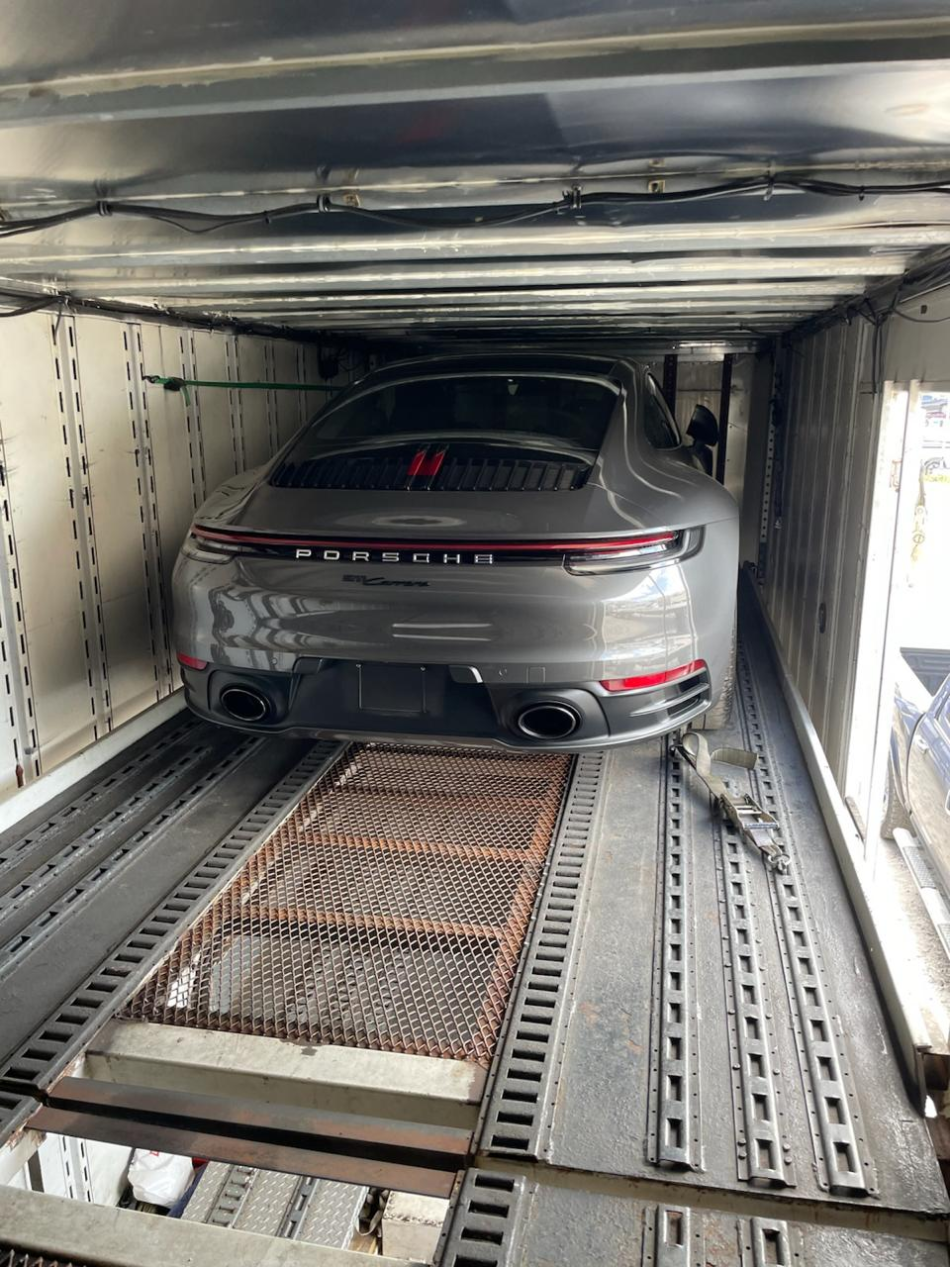
Enclosed transport places vehicles inside a covered trailer. Owners of classic cars, luxury vehicles, collectibles, and specialty automobiles may prefer this option because it provides additional protection from outdoor road exposure.
The more expensive option is not automatically the better option. Consider the vehicle’s value, condition, route, and protection requirements before deciding.
What Happens Before Pickup?
After transportation is scheduled, preparation becomes the customer’s responsibility.
Start by removing personal belongings from the vehicle. Items left inside can shift during transportation and may not be covered under a carrier’s cargo protection arrangements.
Next, clean the exterior and inspect the vehicle carefully. Taking photographs of existing scratches, dents, chips, or other visible marks creates a useful record of the vehicle’s condition before transportation.
It is also sensible to check that:
- The tires are properly inflated.
- The battery is secure.
- The vehicle has only a small amount of fuel.
- Alarms are disabled.
- Loose accessories are removed or secured.
- The vehicle is operational unless non-running transport has been arranged.
Your transportation provider can give you specific preparation instructions before pickup.
Understanding the Inspection Process
Vehicle inspection is an important part of the shipping process. At pickup, the carrier and customer generally review the vehicle’s visible condition before loading.
Existing damage should be documented clearly. Photographs can supplement the inspection record and provide an additional reference.
At delivery, the vehicle should be inspected again. Compare its condition with the documentation created at pickup and note any concerns before completing the delivery process.
Keeping records organized throughout the shipment can make communication easier if questions arise.
How Long Does Interstate Car Shipping Take?
There is no single delivery timeline that applies to every shipment.
Distance is one factor, but carrier availability, traffic, weather, road conditions, pickup locations, delivery accessibility, and the number of vehicles on the carrier can also influence transportation time.
For this reason, customers should avoid treating an estimated delivery window as an exact appointment unless a specific arrangement has been confirmed.
If your vehicle needs to arrive by a particular date, communicate that requirement as early as possible. Advance planning may provide more flexibility when coordinating transportation.
What Determines the Shipping Cost?
The price to ship a car across state lines depends on the circumstances of the shipment.
Important factors can include:
| Pricing Factor | Potential Impact |
| Distance | Longer routes generally require more transportation resources |
| Vehicle size | Larger vehicles can occupy more carrier space |
| Transport type | Enclosed service may cost more than open transport |
| Route demand | Carrier availability can affect pricing |
| Pickup location | Remote or difficult-access areas may require additional planning |
| Timing | Urgent transportation can involve different scheduling considerations |
Instead of focusing only on the lowest quote, consider what services and transportation arrangements are included.
Door-to-Door Doesn’t Always Mean Exact Address
Door-to-door transportation generally means the carrier attempts to collect and deliver the vehicle as close as practical to the requested addresses.
However, large auto carriers need adequate space to maneuver safely. Narrow residential streets, restricted roads, low-clearance areas, construction, or local regulations can prevent a carrier from reaching a specific address.
When that happens, the carrier and customer may arrange a nearby accessible location.
Understanding this before pickup can prevent unnecessary confusion on transportation day.
Why Choose Rapid Auto Shipping?
Rapid Auto Shipping provides vehicle transportation solutions for customers moving cars throughout the United States. The company works with different routes and transportation requirements, allowing customers to explore options based on their individual shipment.
For someone planning to ship a car, having the route, vehicle information, preferred timing, and pickup details ready can help make the initial planning process more efficient.
The objective is not simply to move a vehicle from one state to another, but to coordinate the shipment in a way that fits the customer’s transportation requirements.
Smart Tips for a Smoother Shipment
A few practical habits can make interstate vehicle transportation easier:
- Plan around your schedule
Give yourself flexibility rather than arranging transportation at the last possible moment.
- Keep documentation available
Vehicle information, identification, inspection records, and transportation details should be accessible.
- Ask questions early
Clarify pickup arrangements, delivery procedures, carrier type, and preparation requirements before the vehicle is collected.
- Stay reachable
Transportation schedules can change because of traffic, weather, or other road conditions, so maintaining communication is helpful.
Final Thoughts
To ship a car across state lines successfully, start with the route, understand your carrier options, prepare the vehicle properly, and maintain realistic expectations about timing. A little planning can make a major difference when moving a vehicle over a long distance.
Rapid Auto Shipping helps customers arrange vehicle transportation throughout the USA, offering solutions for different routes, vehicle types, and shipping requirements. With the right preparation and clear communication, interstate car shipping can be a practical alternative to driving your vehicle across the country.
Frequently Asked Questions
1. Can I ship a car to another state?
Yes. Interstate vehicle transportation is a common use of professional auto transport services. Availability and scheduling depend on the specific route.
2. Is open transport safe for regular vehicles?
Open transport is widely used for standard vehicles. Cars are secured to the carrier during transportation, although they remain exposed to normal outdoor road conditions.
3. Should I remove personal items before shipping?
Yes. Removing personal belongings is generally recommended because carriers may have restrictions regarding items left inside vehicles.
4. Can I ship a non-running vehicle?
Non-running vehicles may be transportable, but special equipment and arrangements may be necessary. Tell the transport provider about the vehicle’s condition before booking.
5. How should I prepare for delivery?
Keep your transportation documentation available and inspect the vehicle when it arrives. Compare its condition with the records from pickup and communicate any concerns promptly.


