 WhatsApp Us Now

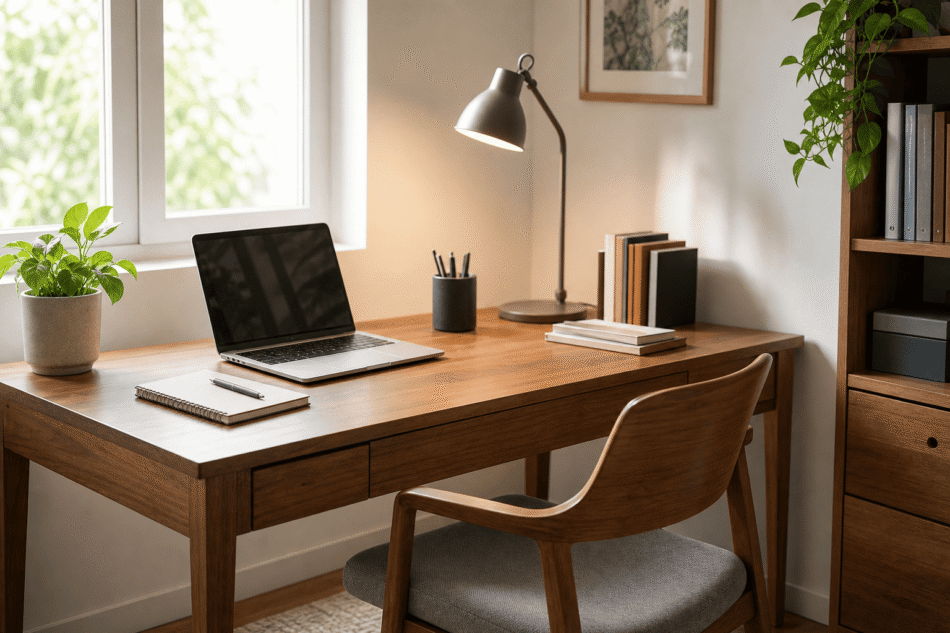
A well-designed study space can make a major difference in how comfortably and effectively you work, study, or manage daily tasks. One of the most important elements of this space is a Study Table for Home. It is more than just a surface for keeping books or a laptop. The right study table can improve posture, reduce clutter, support better organisation, and complement the overall look of your room.
However, choosing the right table can be challenging. A stylish table may not always offer enough storage, while a highly functional design may not match your home décor. Comfort is equally important, especially if you spend several hours studying or working at the table.
The ideal approach is to find a balance between style, comfort, and functionality. This guide explains what to consider when choosing a study table that meets all three needs.
Why the Right Study Table Matters
A study table creates a dedicated area for focused activities. Whether you are a student attending online classes, a professional working from home, or someone who enjoys reading, having a designated workspace can help create a productive routine.
A poorly designed table, on the other hand, can make your workspace uncomfortable. Limited legroom, insufficient surface area, poor height, and lack of storage can affect your overall experience.
A good Study Table for Home should therefore do more than look attractive. It should provide enough space, encourage a comfortable sitting position, and help keep essential items within easy reach.
1. Choose a Design That Matches Your Home
Style is an important consideration when selecting furniture. Your study table should blend naturally with the room instead of looking like a separate or unnecessary addition.
Start by considering your existing furniture, wall colours, flooring, and overall interior theme. For a modern room, a clean table with simple lines can create a contemporary appearance. If your room has a traditional or warm interior, a wooden-finish study table may be a better choice.
Minimalist designs are particularly useful for modern homes because they provide a clean appearance without making the room feel crowded. Neutral finishes can also work well with different décor styles.
At the same time, avoid choosing a table based only on appearance. A beautiful design will not be useful if it does not meet your practical requirements.
2. Consider the Available Space
Before purchasing a Study Table for Home, measure the area where you plan to place it. This is especially important for bedrooms, compact apartments, and smaller study areas.
A large table may offer plenty of workspace, but it can make a small room feel congested. Similarly, choosing a table that is too small may leave you struggling to fit your laptop, books, stationery, and other essentials.
Measure the available width and depth and leave enough space around the table for movement. If you are placing the table near a wall, window, or cupboard, check that drawers and doors can open comfortably.
For compact spaces, look for slim or compact study tables. Designs with vertical storage can also provide useful organisation without taking up too much floor space.
3. Prioritise Comfort and Ergonomics
Comfort should be one of the top priorities when selecting a study table. If you regularly spend long hours at your desk, an unsuitable height or poor legroom can make your workspace uncomfortable.
The table should allow you to sit upright while keeping your arms in a natural position when typing or writing. Your legs should have enough room to move freely underneath the tabletop.
The height of the table should also work well with your chair. Ideally, the chair and table should form a comfortable combination rather than being selected independently.
For computer-based work, position your monitor or laptop at a suitable viewing height and distance. A monitor stand or laptop riser can be useful if the screen is too low.
Good ergonomics are not necessarily complicated. The goal is simply to create a setup that supports a comfortable and natural posture.
4. Select the Right Tabletop Size
The size of the tabletop should depend on how you intend to use the table.
If you mainly use a notebook and a few books, a compact surface may be sufficient. However, if you use a laptop, monitor, books, notebooks, stationery, and other accessories, you will need more workspace.
Think about your daily routine before making a decision. Make a list of the items that usually need to be on your table. This can help you estimate how much surface area you actually need.
A larger tabletop can be useful, but bigger is not always better. The right size is one that gives you enough working space while fitting comfortably into your room.
5. Look for Smart Storage Options
Storage is one of the biggest factors that separates an ordinary table from a practical workspace solution.
A Study Table for Home with drawers, shelves, cabinets, or side compartments can help keep your workspace organised. You can store stationery, documents, books, chargers, notebooks, and other items without filling the tabletop.
If you prefer a clean and minimalist workspace, closed drawers can keep smaller items out of sight. Open shelves, meanwhile, can make frequently used books easier to access.
Consider your storage habits before choosing a design. If you have many books and accessories, select a table with more storage capacity. If you prefer a simple setup, a table with one or two drawers may be enough.
6. Pay Attention to Material and Build Quality
The material of the study table affects its appearance, durability, maintenance, and overall feel.
Engineered wood is a popular option because it can offer a good combination of appearance and affordability. Solid wood can provide a natural look and strong construction, although it may be heavier and more expensive.
Metal-frame tables can offer a modern appearance and sturdy support. Some designs also combine different materials to create a contemporary look.
Whatever material you choose, pay attention to construction quality. Check whether the table feels stable, whether the legs provide proper support, and whether drawers and shelves operate smoothly.
A table is an everyday-use product, so durability should be considered alongside appearance.
7. Think About Cable Management
Modern study spaces often include laptops, monitors, chargers, lamps, speakers, and other electronic devices. Without proper cable management, even a stylish table can quickly look messy.
Some tables include cable holes or dedicated spaces for wires. These features can make it easier to keep charging cables organised.
If your chosen table does not have built-in cable management, you can use simple cable clips, sleeves, or organisers. Keeping cables away from the main working area can make your desk look cleaner and easier to maintain.
8. Create a Balanced Study Setup
Buying the right table is only one part of creating a comfortable study area. The surrounding setup also matters.
Pair the table with a chair that provides suitable back support and allows you to sit comfortably. Place the table where you can get sufficient natural or artificial light without creating screen glare.
A desk lamp can provide focused lighting during evening study sessions. Keep frequently used items within reach, but avoid overcrowding the tabletop.
You can also add small decorative elements such as a plant, calendar, or simple organiser. The goal is to create a workspace that feels personal without becoming distracting.
9. Keep Style and Functionality in Balance
One of the most common mistakes when buying furniture is focusing too much on one feature.
A highly stylish table may have limited storage. A table with many shelves and drawers may appear bulky. Similarly, a compact table may save space but offer insufficient working area.
The best Study Table for Home balances all these factors. Ask yourself three basic questions:
- Does it look good in my room?
- Is it comfortable for regular use?
- Does it provide the space and storage I need?
If the answer to all three is yes, you are likely looking at a practical choice.
10. Choose a Design That Supports Long-Term Use
Your needs may change over time. A student may eventually need more space for books, while a work-from-home user may add a monitor or other equipment.
Therefore, consider future requirements when choosing your study table. A slightly larger tabletop or additional storage can make the furniture more versatile.
Adjustable or flexible designs can also be useful when the table is expected to serve different purposes. A well-chosen table should remain useful even as your work or study habits change.
Conclusion
Choosing a Study Table for Home is about finding the right combination of appearance, comfort, and practical features. Style helps the table complement your interiors, while functionality ensures that it meets your everyday requirements. Comfort is equally important because a study table should support a pleasant and productive working environment.
Before buying, consider the available space, tabletop size, storage, material, table height, cable management, and overall design. Most importantly, think about how you will actually use the table every day.
The right study table can turn an ordinary corner of your home into an organised and comfortable workspace. By balancing style, comfort, and functionality, you can create a study area that looks good, works efficiently, and remains useful for years to come.


