 WhatsApp Us Now

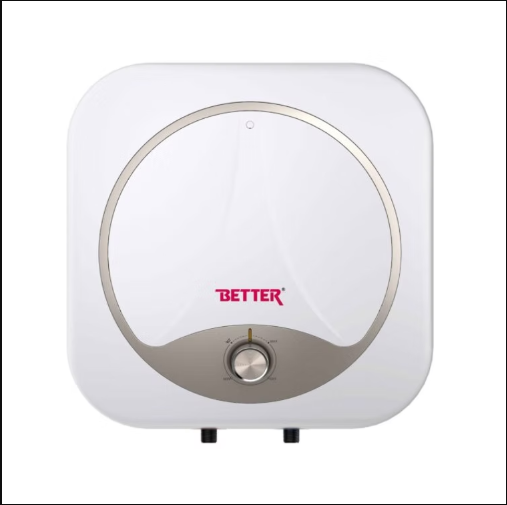
Winter in Nepal brings sharp drops in temperature, especially in the mornings and evenings across Kathmandu Valley, Pokhara, and the hill regions. Cold water from the tap becomes uncomfortable for bathing, washing clothes, or cleaning utensils. An electric geyser solves this problem by providing reliable hot water on demand. For many households, choosing the best electric geyser in Nepal is one of the most practical upgrades for comfort and daily convenience during the cold months.
This guide explains why electric geysers matter, what to look for before buying, how different capacities suit different families, and practical tips tailored for Nepalese homes. It also covers energy use, safety, prices, and a clear comparison with gas geysers.
Why an Electric Geyser Is Essential During Winter in Nepal
Nepal’s winter weather makes hot water a basic need rather than a luxury. In places like Kathmandu and surrounding hills, night temperatures often fall low enough that cold showers become unpleasant and sometimes unhealthy, especially for children and older family members. Many homes still rely on traditional methods or wait for water to warm in the sun, which is not practical on cloudy or rainy days.
An electric geyser stores and heats water so it is ready when needed. Families can take warm baths before school or work, wash dishes more easily, and maintain better hygiene without the struggle of icy water. In apartments and urban homes with steady electricity, electric models are particularly convenient because they require no gas cylinder changes or complex venting. For many Nepalese households, installing a good electric water heater simply makes winter more manageable and comfortable.
Important Factors to Consider Before Buying an Electric Geyser
Choosing the right model starts with understanding your household needs. Consider these points carefully:
- Family size and daily hot water use determine the ideal capacity.
- Available bathroom or kitchen space influences whether you need a compact or larger unit.
- Electricity reliability in your area matters; most modern models handle normal voltage but perform best with stable supply.
- Build quality of the tank and heating element affects durability in Nepal’s varying water conditions.
- Safety certifications and features should be non-negotiable.
- After-sales service and warranty support become important if issues arise later.
- Energy efficiency helps control monthly electricity bills over the long term.
Taking time to match the geyser to your actual usage prevents buying an undersized unit that runs out of hot water or an oversized one that wastes energy.
Understanding Geyser Capacities: 15L, 25L, and 30L Options
Capacity is one of the most important decisions. Here is a practical guide for typical Nepalese households:
15L Electric Geyser
Suitable for small families of 1–3 people or single bathrooms with moderate use. It works well for couples, young professionals living alone, or small households that mainly need hot water for one or two showers and light washing. Heating time is relatively short, and electricity consumption stays lower. Many 15L models fit easily in compact bathrooms common in city apartments.
25L Electric Geyser
Ideal for medium-sized families of 3–5 members. This size usually supports two or three people bathing one after another with enough hot water remaining for kitchen or cleaning needs. It strikes a good balance between storage and energy use and is one of the most popular choices across Nepal.
30L Electric Geyser
Better for larger families or homes with higher demand, such as multiple bathrooms or frequent use by several members. A 30L unit provides greater reserve so the water does not cool down quickly during peak morning or evening hours. It suits joint families or households that use hot water for bathing plus laundry and cleaning.
Select capacity based on the number of people and how often hot water is needed rather than simply choosing the largest available model.
Energy Efficiency, Heating Performance, Water Storage, and Electricity Consumption
A well-designed electric geyser balances fast heating with reasonable power use. Most storage models in the Nepali market use heating elements around 2000W. Good insulation (such as glass wool) helps the tank retain heat longer so the element does not need to switch on as frequently.
Electricity consumption depends on how often the water is reheated and the temperature setting. Heating a full tank from cold typically uses a modest amount of electricity per cycle. Setting the thermostat to a comfortable level rather than the maximum reduces running costs. In practice, many households find that the daily electricity cost of a properly sized and insulated geyser remains manageable, especially when compared with the comfort it delivers.
Water storage capacity directly affects how long hot water lasts during continuous use. Better insulation and quality tank materials improve overall efficiency by minimizing heat loss.
Essential Safety Features to Look For
Safety should never be compromised. Look for these standard protective features:
- Thermostat control that maintains the set temperature and prevents overheating.
- Automatic cut-off that switches off the heating element once the desired temperature is reached or if a fault occurs.
- Overheating protection and thermal cut-out for extra security.
- Pressure relief or multi-functional safety valves that handle excess pressure.
- Earth leakage protection (such as ELCB) in higher-quality models, which is especially useful in areas with occasional voltage fluctuations.
These features protect both users and the appliance. Always ensure professional installation and proper earthing for maximum safety.
Electric Geyser Prices in Nepal and What Influences Cost
Electric geyser prices in Nepal vary widely depending on capacity, brand, build quality, and features. Basic models start at lower price points, while mid-range and premium units with better tanks, stronger heating elements, and enhanced safety features cost more. Typical market ranges for popular 15L to 30L storage geysers fall across several thousand rupees, with final prices influenced by retailer, offers, and warranty terms.
Factors that affect cost include:
- Tank material and coating (stainless steel or coated tanks last longer)
- Heating element quality
- Insulation standard
- Safety certifications and additional protections
- Brand reputation and after-sales network
- Capacity and design
Buyers should compare total value rather than the lowest sticker price alone. A slightly higher investment in a durable, efficient model often proves more economical over years of use.
Electric Geysers vs Gas Geysers: Advantages and Limitations
Both types heat water, yet they differ in important ways for Nepalese homes.
Electric geyser advantages include easier installation (no gas piping or cylinder storage), higher inherent safety (no open flame or gas leak risk), consistent performance when electricity is available, and compact designs suitable for apartments. They work well in urban areas with relatively stable power.
Limitations of electric models include dependence on electricity supply and potentially higher running costs if used inefficiently or if electricity tariffs rise.
Gas geyser advantages include faster continuous hot water in some cases and independence from the electricity grid. They can be useful where power cuts are frequent.
Limitations of gas models include the need for proper ventilation, regular cylinder refills, higher installation complexity in some buildings, and safety considerations around gas leaks or incomplete combustion.
For many city and suburban households with reliable electricity, electric geysers offer a simpler, safer, and more convenient solution. Rural or high-altitude homes with frequent load-shedding may still prefer gas options.
Practical Buying Tips for Nepalese Households
- Measure the available wall space and check water pressure in your bathroom before deciding on a model.
- Prefer brands that offer service support across Nepal rather than only in major cities.
- Check the warranty terms for both the tank and the heating element.
- Read recent user experiences from local buyers when possible.
- Install the geyser with a proper isolator switch and ensure good earthing.
- Avoid setting the temperature unnecessarily high; 55–65°C is usually sufficient and safer.
- Consider future family needs if your household is likely to grow.
Among established home and kitchen appliance brands in Nepal, Better Appliances offers a range of electric geysers designed for local conditions. Models such as the Better Monaco Electric Geyser (available in relevant capacities) focus on practical features including reliable heating, protective coatings, and safety elements that suit everyday Nepali use. The brand positions itself as a value-oriented option for consumers seeking dependable performance without unnecessary complexity. Checking current offerings and local availability helps buyers compare it with other market options.
Conclusion: Choosing the Best Electric Geyser in Nepal for Your Home
Selecting the best electric geyser in Nepal comes down to matching capacity to family size, prioritizing safety and efficiency, and buying from a reliable source with after-sales support. Whether you need a 15L unit for a small apartment or a 25L or 30L model for a growing family, the right choice delivers daily comfort throughout the winter and beyond.
Focus on quality construction, proper safety features, and realistic energy use. With careful selection, an electric water heater becomes a long-term household asset that makes cold mornings far more pleasant. Take time to assess your needs, compare options available in the local market, and invest in a model that will serve your family reliably for years.


