WhatsApp Us Now

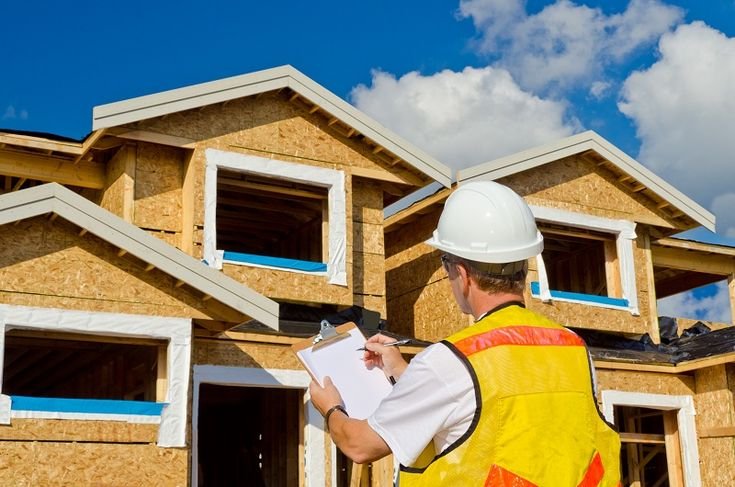
Buying, owning, or managing a commercial property is a significant financial commitment. While a building may look attractive on the surface, hidden problems behind walls, beneath floors, or within essential systems can create expensive complications. Issues such as structural damage, water infiltration, electrical deficiencies, and roofing problems are not always visible during a casual walkthrough. Identifying these concerns early is essential for protecting your investment and avoiding unexpected repair costs.
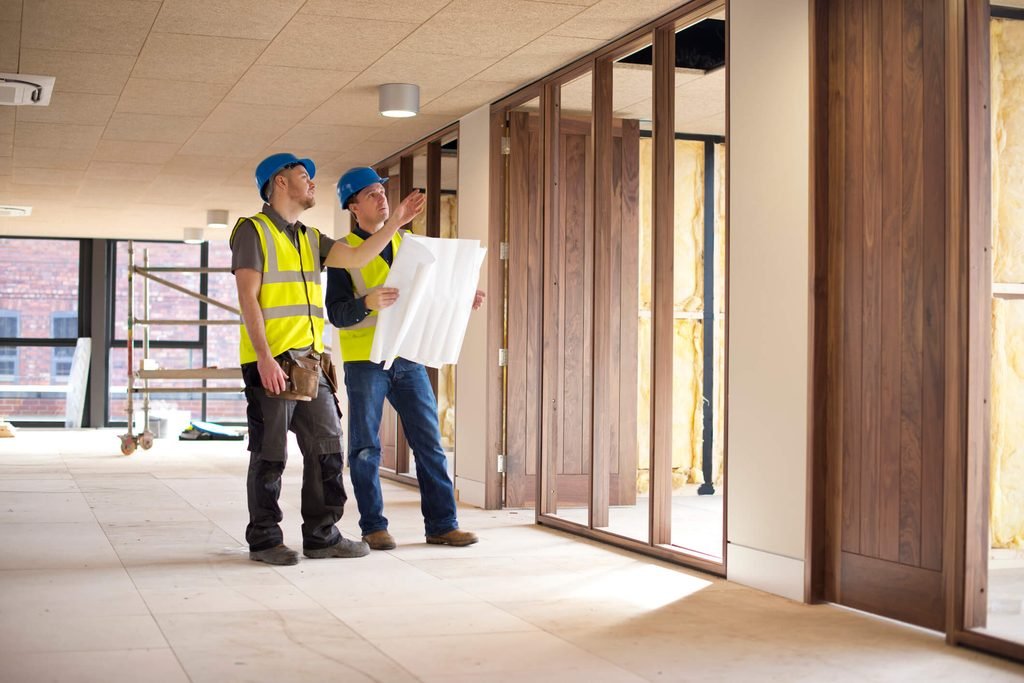
A professional Building Inspector plays an important role in evaluating a property’s overall condition. Through a detailed assessment, an inspector can identify existing defects, highlight potential safety concerns, and help property owners make informed decisions. Whether you are purchasing a commercial building, maintaining an existing facility, or preparing a property for sale, a thorough inspection provides valuable insight into its condition.
For property owners and investors in Edmonton, Edmonton Commercial Building and RV Inspection Services can help make the inspection process more straightforward. Understanding what an inspection involves and why it matters can help you protect your property, plan maintenance, and make confident real estate decisions.
Why Hiring a Building Inspector Is Important
A property can appear well-maintained while concealing problems that may affect its safety, functionality, and long-term value. A professional Building Inspector examines accessible areas of the property to identify visible deficiencies and signs of developing problems. This assessment provides a clearer understanding of the building’s current condition.
For commercial property buyers, an inspection can reveal concerns that may influence purchasing decisions or negotiations. For existing owners, it can help identify maintenance priorities before minor defects develop into costly repairs. For example, a small roof leak may initially seem insignificant, but continued moisture exposure can damage insulation, ceilings, and structural materials.
Professional inspections also help property stakeholders understand which repairs require immediate attention and which can be addressed through routine maintenance. This information supports better budgeting and long-term planning.
Ultimately, an inspection is not simply about finding faults. It is about understanding the property’s condition and reducing uncertainty before making important financial decisions.
What Hidden Issues Can a Building Inspector Identify?
Many building problems develop gradually and remain unnoticed until they cause visible damage. A qualified inspector looks for warning signs throughout accessible areas of a property, helping owners recognize potential issues before they become more serious.
Common concerns include:
- Structural deterioration: Cracks, movement, damaged supports, and other signs of potential structural weakness.
- Water infiltration: Moisture stains, damp areas, leaks, and conditions that may contribute to mold growth.
- Roofing problems: Damaged roofing materials, drainage concerns, and signs of previous water penetration.
- Electrical deficiencies: Visible damage, unsafe conditions, and potential issues with accessible electrical components.
- Plumbing concerns: Leaking pipes, drainage problems, and visible deterioration around plumbing fixtures.
- Ventilation issues: Inadequate airflow, moisture accumulation, and concerns involving accessible ventilation components.
Identifying these problems can help owners take appropriate action. Although an inspection cannot guarantee that every concealed defect will be discovered, a systematic assessment provides valuable information about the property’s visible condition.
How Structural Inspection Services Protect Property Value
The physical stability of a building directly influences its safety, usability, and long-term value. Problems involving foundations, support systems, walls, and other structural components can become expensive if they remain unaddressed.
Professional Structural Inspection Services help identify visible warning signs that may indicate structural deterioration or movement. During an assessment, an inspector may examine accessible foundation areas, load-bearing elements, floors, walls, ceilings, and other important components.
For example, diagonal cracks around windows or doors may indicate movement that deserves further evaluation. Similarly, uneven flooring, separating materials, or noticeable changes in walls can suggest underlying concerns.
Early identification allows property owners to investigate problems and arrange appropriate repairs before conditions potentially worsen. It can also help investors understand whether a building requires additional professional evaluation before completing a purchase.
Maintaining structural integrity is particularly important for commercial properties because building deficiencies can affect employees, tenants, customers, and daily operations. Regular assessments support responsible property ownership and help preserve long-term investment value.
The Role of Commercial Real Estate Inspection Before Buying
Purchasing commercial property involves more than evaluating its location, appearance, and asking price. Buyers must also consider the building’s physical condition, maintenance history, and potential repair requirements.
A professional Commercial Real Estate Inspection provides important information that can help buyers evaluate a property before finalizing a transaction.
An inspection may highlight roofing deterioration, water damage, structural concerns, aging building components, and other visible deficiencies. These findings can help buyers estimate potential maintenance expenses and determine whether additional assessments are necessary.
For instance, imagine purchasing an office building that appears ready for immediate occupancy. During an inspection, the inspector discovers signs of moisture intrusion and deteriorating roofing materials. This information gives the buyer an opportunity to investigate the concerns, obtain repair estimates, and reconsider the purchase terms.
Inspection findings can also help buyers plan future improvements and prioritize necessary repairs.
Although an inspection does not replace legal, financial, or engineering advice, it provides an important foundation for making informed commercial real estate decisions.
Understanding Professional Building Inspection Services
Not every property has the same inspection requirements. A retail space, warehouse, office building, and industrial facility can have different layouts, construction materials, and maintenance concerns.
Professional Building Inspection Services involve examining the property’s accessible components and documenting visible conditions. The exact scope depends on the building type, inspection agreement, accessibility, and the client’s requirements.
A typical inspection may include:
- Reviewing accessible exterior walls and building surfaces.
- Examining visible roofing conditions where safely accessible.
- Checking accessible foundation and structural components.
- Looking for signs of moisture intrusion and water damage.
- Assessing visible interior finishes, doors, and windows.
- Observing accessible plumbing and electrical components.
- Identifying maintenance concerns and areas requiring further evaluation.
After completing the assessment, the inspector generally provides findings in a report. Photographs, written observations, and recommendations can help property owners understand identified concerns.
A clear inspection report is particularly useful because it turns observations into actionable information. Owners can use the findings to arrange repairs, request specialist assessments, and develop a practical maintenance schedule.
Why Commercial Building Inspection Matters for Ongoing Maintenance
Property inspections should not only happen when someone is buying or selling a building. Ongoing maintenance plays an equally important role in protecting commercial investments.
A scheduled Commercial Building Inspection can help property owners recognize developing concerns and address them before they interfere with normal operations. Buildings experience continuous wear from weather, daily use, temperature changes, and aging materials.
For example, Edmonton’s changing seasonal conditions can place additional demands on roofs, exterior materials, drainage systems, and building envelopes. Freeze-thaw cycles and moisture exposure may contribute to deterioration over time.
Routine inspections can help identify damaged sealants, drainage concerns, exterior cracks, and other maintenance issues. Addressing these problems early may reduce the likelihood of extensive repairs.
Property managers can also use inspection findings to organize maintenance budgets and plan improvements around business operations.
A proactive approach makes it easier to manage repair priorities, maintain a safer environment, and protect the building’s usefulness over the years.
How to Choose the Right Building Inspector in Edmonton
Choosing an inspection professional requires more than comparing prices. Property owners should consider experience, inspection scope, communication, and reporting quality before making a decision.
Start by asking whether the inspector has experience with the type of property you want assessed. Commercial buildings often involve different construction features and maintenance concerns than residential properties.
It is also important to understand what the inspection includes and excludes. Ask whether the assessment covers accessible structural components, roofing, exterior conditions, interior spaces, and visible building systems.
Consider these practical factors:
- Relevant experience: Look for experience with commercial properties and similar building types.
- Clear inspection scope: Understand which areas and components will be assessed.
- Detailed reporting: Choose a service that provides understandable findings and supporting photographs where appropriate.
- Professional communication: The inspector should explain observations and clarify potential next steps.
- Transparent pricing: Request information about inspection fees and any additional assessment costs.
Edmonton Commercial Building and RV Inspection Services can be considered when arranging a property assessment. Taking time to understand the inspection process helps ensure that your investment receives appropriate attention.
Conclusion
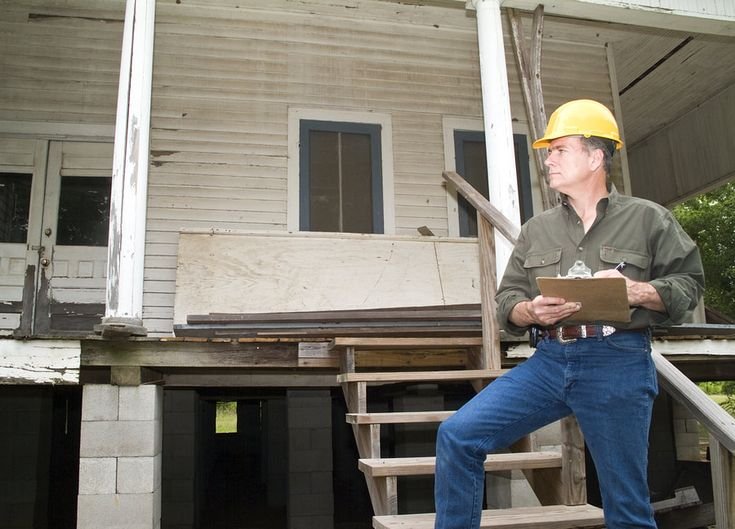
A commercial property represents a substantial investment, and protecting it requires more than occasional visual checks. Hidden structural concerns, water damage, roofing deterioration, and maintenance deficiencies can affect a building’s safety, functionality, and long-term value.
Working with a professional Building Inspector helps property owners and buyers gain a better understanding of these potential concerns. From identifying visible defects to supporting maintenance planning and purchasing decisions, inspections provide useful information that reduces uncertainty.
Whether you are purchasing a new commercial property or maintaining an existing facility, a thorough assessment can help you make more informed decisions. Edmonton Commercial Building and RV Inspection Services can be a resource when evaluating your property’s condition and planning its ongoing care. Taking a proactive approach today can help protect your investment and support better property management in the future.
Frequently Asked Questions
1. What Does a Building Inspector Look for During an Inspection?
A Building Inspector examines accessible areas and components for visible deficiencies. These may include structural concerns, roof damage, water infiltration, foundation cracks, deteriorating materials, and visible plumbing or electrical issues. The inspection scope depends on the property and the agreed services.
2. How Often Should a Commercial Building Be Inspected?
Inspection frequency depends on the building’s age, condition, usage, maintenance history, and environmental exposure. Property owners should establish an appropriate inspection schedule based on professional recommendations and their maintenance requirements. Additional inspections may be useful when concerns arise or before major transactions.
3. Can a Building Inspector Find Hidden Structural Problems?
An inspector can identify visible warning signs that may indicate structural problems, such as cracks, uneven surfaces, and signs of movement. However, some defects are concealed behind finished surfaces. Additional investigation by a qualified structural engineer or specialist may be necessary.
4. Why Is a Commercial Building Inspection Important Before Purchasing Property?
A commercial inspection helps buyers understand the property’s visible condition and identify potential repair or maintenance concerns. This information supports purchasing decisions, budgeting, negotiations, and future maintenance planning before completing a real estate transaction.
5. Does a Building Inspection Guarantee That a Property Has No Problems?
No. An inspection provides an assessment of accessible areas and visible conditions at a particular time. Concealed defects, inaccessible components, and specialized system issues may require additional testing or expert evaluation. A professional inspection reduces uncertainty but cannot guarantee that every problem will be discovered.
Read more articles.