 WhatsApp Us Now
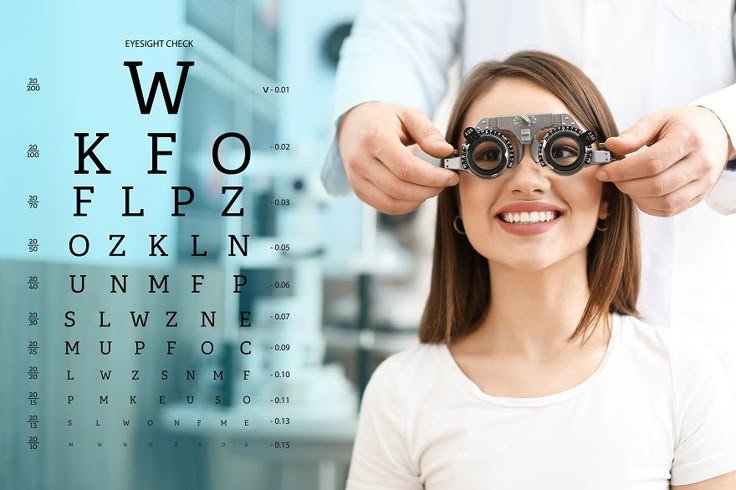
The One Sense We Often Take for Granted
Most of us don’t think about our eyes—until something feels off. A slight blur while reading, headaches after screen time, or struggling with night driving. These small signs are easy to ignore, but they often point to deeper issues.
Vision isn’t just about clarity; it shapes how we experience the world. And maintaining it requires more than occasional checkups—it needs awareness, consistency, and the right medical guidance.
Professionals like Dr Shaun Segal Ophthalmologist emphasize a simple but powerful idea: proactive eye care is far easier than reactive treatment. Understanding how your eyes work—and how to care for them—can make a lasting difference.
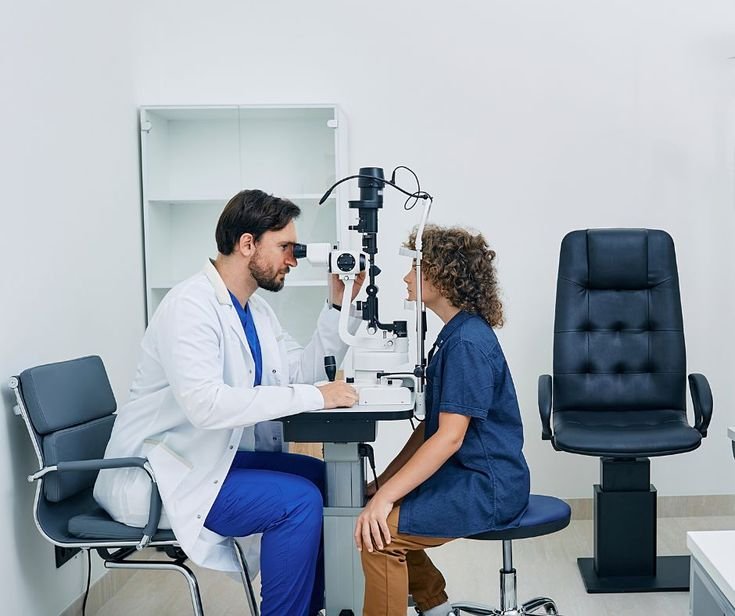
Understanding Eye Health: More Than Just Vision
What Does an Ophthalmologist Actually Do?
An ophthalmologist is a medical doctor specializing in eye and vision care, trained to:
- Diagnose and treat eye diseases
- Perform surgical procedures
- Prescribe corrective lenses
- Manage long-term eye conditions
Unlike basic eye exams, comprehensive care involves looking at the full picture—how lifestyle, health conditions, and even stress impact your vision.
Experts like Dr Shaun Segal Ophthalmologist take a holistic approach, ensuring that eye health is not treated in isolation but as part of overall well-being.
Common Eye Problems People Overlook
1. Digital Eye Strain
With screens dominating our daily lives, digital eye strain has become almost universal.
Symptoms include:
- Dry or irritated eyes
- Blurred vision
- Headaches
- Difficulty focusing
Many people assume this is normal—and it is common—but it shouldn’t be ignored.
2. Refractive Errors
Conditions like:
- Myopia (nearsightedness)
- Hyperopia (farsightedness)
- Astigmatism
These can often develop gradually, making them easy to miss without regular checkups.
3. Dry Eye Syndrome
Often dismissed as minor discomfort, chronic dry eyes can significantly impact quality of life.
4. Early Signs of Serious Conditions
Diseases like glaucoma or macular degeneration may not show obvious symptoms in early stages. This is why routine evaluations, as recommended by Dr Shaun Segal Ophthalmologist, are essential.
Why Regular Eye Exams Are Non-Negotiable
Prevention Is Always Better Than Cure
Many eye conditions are manageable—if caught early.
Routine eye exams help:
- Detect issues before symptoms appear
- Monitor changes in vision
- Identify underlying health conditions like diabetes or hypertension
How Often Should You Get Your Eyes Checked?
- Children: Every 1–2 years
- Adults (20–40): Every 2 years
- 40+: Annually or as advised
Consistency matters more than frequency alone.
Lifestyle Habits That Protect Your Vision
The 20-20-20 Rule
For those spending long hours on screens:
Every 20 minutes, look at something 20 feet away for 20 seconds.
Simple, but surprisingly effective.
Nutrition for Eye Health
Your eyes need the right nutrients to function well.
Key nutrients include:
- Vitamin A (carrots, sweet potatoes)
- Omega-3 fatty acids (fish, flaxseeds)
- Lutein and zeaxanthin (leafy greens)
Professionals like Dr Shaun Segal Ophthalmologist often stress that diet plays a bigger role than most people expect.
Protective Measures
- Wear sunglasses with UV protection
- Use proper lighting while reading
- Avoid excessive screen brightness
Children and Eye Health: A Growing Concern
Screen Time and Its Impact
Children today are exposed to screens earlier than ever. While technology is unavoidable, unmanaged usage can affect developing eyes.
Warning signs to watch for:
- Sitting too close to screens
- Frequent eye rubbing
- Complaints of headaches
- Difficulty concentrating
Early Intervention Makes a Difference
Children may not always express vision problems clearly. Regular checkups ensure that issues are identified early—something experts like Dr Shaun Segal Ophthalmologist strongly advocate.
When to See an Ophthalmologist Immediately
Some symptoms should never be ignored:
- Sudden vision loss
- Flashes of light or floaters
- Severe eye pain
- Double vision
Delaying treatment in such cases can lead to permanent damage.
Choosing the Right Ophthalmologist
What Should You Look For?
Selecting the right specialist goes beyond credentials.
Consider:
- Experience and specialization
- Communication style
- Patient reviews and feedback
- Accessibility and availability
Patients often appreciate professionals like Dr Shaun Segal Ophthalmologist for their ability to combine expertise with a patient-first approach.
Comfort and Trust Matter
Eye care can sometimes feel intimidating. A good ophthalmologist ensures that patients feel heard, understood, and reassured throughout the process.
Real-Life Example: The Cost of Ignoring Early Signs
Take the case of a working professional who ignored mild headaches and blurred vision, assuming it was just screen fatigue.
Months later, a routine checkup revealed early-stage glaucoma.
The good news? It was caught just in time.
The takeaway is simple—small symptoms often carry bigger messages. Timely consultation with experts like Dr Shaun Segal Ophthalmologist can prevent long-term complications.
Advancements in Modern Eye Care
Technology Is Changing the Game
From advanced imaging to minimally invasive surgeries, modern ophthalmology has evolved significantly.
Key developments include:
- LASIK and refractive surgeries
- AI-assisted diagnostics
- Improved cataract procedures
These innovations have made treatments safer, faster, and more effective.
Personalized Treatment Plans
No two eyes are the same. Today’s approach focuses on tailored treatments based on individual needs—something experienced professionals prioritize.
Common Myths About Eye Health
“Wearing Glasses Makes Eyes Worse”
This is a widespread misconception. Glasses correct vision—they don’t weaken it.
“If I Can See Fine, I Don’t Need an Exam”
Many conditions develop silently. Good vision doesn’t always mean healthy eyes.
“Screens Permanently Damage Eyes”
While excessive screen time causes strain, it doesn’t typically cause permanent damage—if managed properly.
Practical Tips for Everyday Eye Care
At Work
- Adjust screen brightness and contrast
- Maintain proper distance from screens
- Blink frequently to avoid dryness
At Home
- Ensure adequate lighting
- Limit screen exposure before bedtime
- Encourage outdoor activities for children
For Long-Term Care
- Schedule regular checkups
- Follow prescribed treatments consistently
- Stay informed about your eye health
The Emotional Side of Vision
Vision isn’t just functional—it’s deeply emotional. It affects independence, confidence, and quality of life.
Losing clarity, even temporarily, can be unsettling. That’s why having a trusted expert—like Dr Shaun Segal Ophthalmologist—can provide not just treatment, but reassurance.
Looking Ahead: The Future of Eye Health
The future of ophthalmology lies in:
- Early detection through advanced diagnostics
- Greater awareness and education
- Integration of technology with human expertise
But one thing remains constant—the importance of awareness and proactive care.
Conclusion: Small Steps, Lasting Vision
Eye health often sits quietly in the background of our lives—until it demands attention. But it doesn’t have to be that way.
With simple habits, regular checkups, and guidance from experienced professionals like Dr Shaun Segal Ophthalmologist, maintaining healthy vision becomes far more manageable.
In the end, it’s not about reacting to problems—it’s about preventing them, preserving clarity, and seeing the world as it’s meant to be seen.


