 WhatsApp Us Now

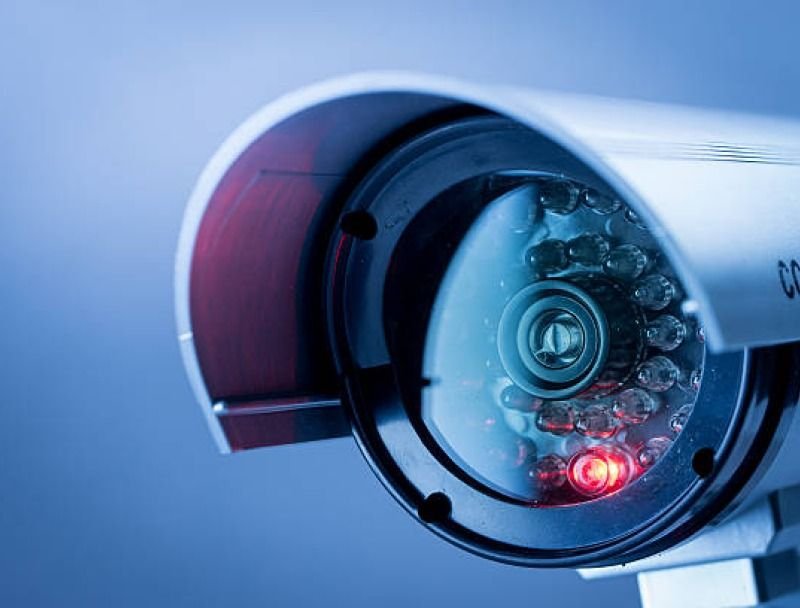
A camera system is only as useful as its placement, angle and field of view allow. Before you buy any equipment, work out which areas actually need watching and what you want the cameras to capture. Comparing Security Companies in Sydney helps clarify all this, especially on a site with several entrances, outdoor areas or changing light. A bit of planning upfront cuts down on blind spots and gets you clearer footage across the whole property.
Which Areas of Your Property Need CCTV Coverage?
Walk the property and take note of where people, vehicles and deliveries come and go. Prioritise doors, driveways, loading areas, reception points and the paths between buildings. Every camera should have a clear job to do.
Think about what each camera actually needs to capture. A wide shot might cover a whole yard, while a narrower view gives you more detail at a doorway. Many Security Companies in Sydney carry out a proper assessment on site to work out the right angles, mounting positions and camera types for each spot.
Before installation, check:
- Whether trees, signs or parked cars could get in the way.
- Whether faces or number plates come through clearly at the required distance.
- How the lighting changes from day to night.
- Whether the camera is protected from weather or knocks.
Which CCTV Camera Types Are Suitable for Different Areas?
Different spots call for different gear and what works best comes down to the property’s layout and the risks involved, not a one-size-fits-all package.
Fixed Cameras
Fixed cameras watch one direction and work well at entrances or along corridors, where you need a steady, reliable view of a specific spot.
Pan-Tilt-Zoom (PTZ) Cameras
PTZ cameras move and zoom, which helps when someone needs to scan a bigger area or follow activity across a wider space.
Beyond Resolution
Resolution is only part of the story. Lens choice, night-time performance, weather resistance and storage capacity all affect the final footage, and even a high-res camera won’t show much detail if it’s too far from the action or aimed at bright light.
Matching Cameras to Property Type
Homes typically just need the key access points covered, while retail and commercial sites often need separate views of customer areas, stockrooms, car parks and delivery zones.
How Should You Plan CCTV Recording and Remote Viewing?
Good coverage also depends on how the footage gets handled afterward. Think about how long you’ll keep recordings, who can view them and whether authorised users need remote access. Plan for network capacity, who gets what permissions and storage you can actually rely on.
When comparing Security Companies in Sydney, ask how their system handles recording, playback and remote viewing. Make sure the interface is practical for whoever’s using it, and that the setup can flex as your property changes.
Regular checks matter too. Confirm the cameras are clean, the views stay unobstructed, recording is actually running and the date and time settings are correct. Review who has access whenever staff or property use changes.
Conclusion
Good camera placement starts with understanding the property, not just picking out equipment. Map the areas that matter most, think through the viewing conditions carefully and plan how footage will be stored and accessed. When comparing Security Companies in Sydney, look for a provider who explains their reasoning and tailors the setup to your actual site.


