 WhatsApp Us Now

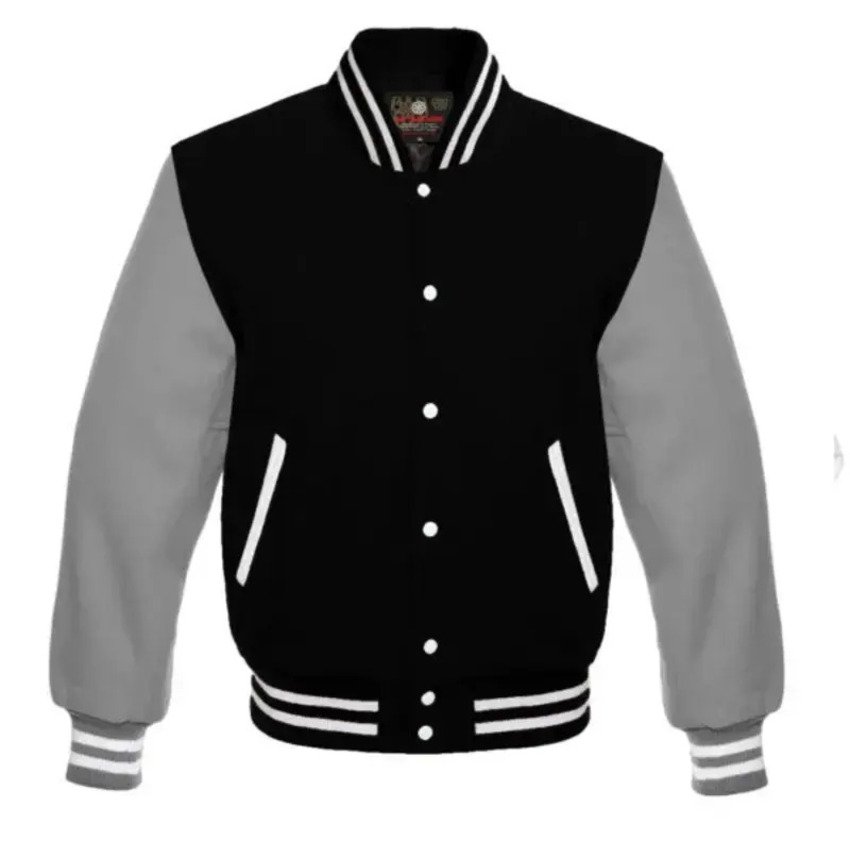
Choose wool if you want a warm, structured jacket for cool and cold weather, and choose satin if you want a light, smooth jacket for mild days and easy layering. Both give you the varsity shape, but they feel, look, and age very differently. This guide compares the two fabrics in simple terms, so you can pick the one that fits your climate, your style, and the way you plan to wear the jacket.
What each fabric is
Wool is a natural fiber from sheep. Varsity jackets often use a dense wool fabric called melton, which has a smooth, matte surface. Many jackets use a wool blend, which mixes wool with other fibers such as nylon or polyester.
Satin is a type of weave, not a fiber. It has a smooth, glossy face and a duller back. A satin jacket can be made from polyester, nylon, silk, or another fiber, so check the product page to see what it is made from.
How warm each one is
Wool traps air and holds heat, and a thick weave blocks some wind. With a quilted lining, a wool jacket suits cool and cold days.
Satin is thin and light, so it gives only mild warmth. It works well in spring, early autumn, and cool evenings, and it can be layered over a sweater. It is not a good choice for freezing or windy days without a warm layer underneath.
Lining and fabric weight change the picture, so check them on any jacket. A thin wool jacket can be lighter than you expect, and a lined satin jacket can be warmer than a plain one.
Weight and comfort
Wool jackets are heavier, and the weight can feel substantial on the shoulders. This is part of their solid, classic feel, but in warm rooms or mild weather they can feel too hot.
Satin jackets are light and slide over layers easily. They are comfortable to wear all day and easy to pack. The smooth surface can feel cool on the skin, and some people find the fabric slippery.
Look and style
Wool has a matte, soft surface that looks rich and traditional. It suits the classic letterman style, especially with leather sleeves and chenille letters. A wool letterman jacket gives a solid, structured look that holds its shape.
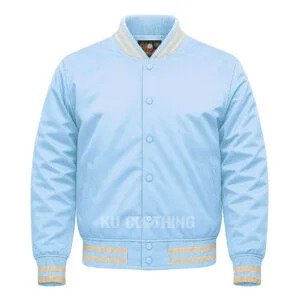
Satin has a shine that catches the light, so the jacket looks modern and a little dressier. A satin varsity jacket looks bold in bright or two-tone colors, and it suits streetwear and casual outfits. The shine can look less traditional than wool, which some people prefer, and others do not.
Colors: how the fabric changes them
The same color looks different on each fabric.
- Wool makes colors look deeper and calmer.
- Satin makes colors look brighter and glossier.
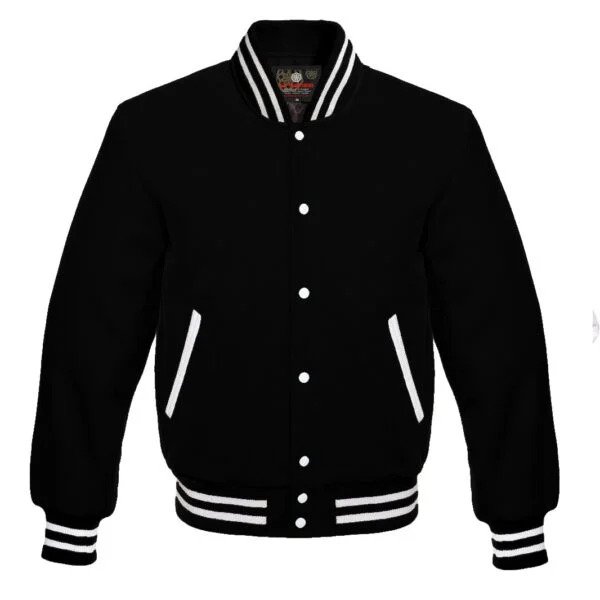
A black wool varsity jacket looks serious and classic, and the matte surface hides small marks well. A brown satin bomber jacket looks warm and soft, with a gentle shine that makes the brown look rich. Colors look different on screens and in daylight, so check the color description and close-up photos, and ask for a swatch if the shade matters.
Durability
Wool is a durable fiber, and a well-made wool jacket can last for years with proper care. It resists wear and keeps its shape, but it can attract moths if stored dirty, and it can shrink with heat or hard washing.
Satin is lighter and can wear out faster in some cases. It snags easily on rough surfaces, shows creases, and can lose its shine with heat or rough washing. A well-made satin jacket can still last, but it needs gentler handling.
Quality depends more on the specific jacket than on the fabric name, so check the stitching, the fiber content, and the lining.
Care and cleaning
Wool care:
- Brush gently with a soft clothes brush.
- Avoid ironing and hot water.
- Spot-clean with a damp cloth.
- Use a cleaner who knows wool for a deep clean, and follow the care label.
- Store it clean and dry, because moths are drawn to dirt and body oils.
Satin care:
- Read the care label first, because many satin jackets are dry clean only.
- Keep it away from rough surfaces and sharp jewelry.
- Dry it away from heat and direct sun.
- Steam gently to remove creases, and test on a hidden spot first.
If the jacket has leather sleeves, they need separate care from the body.
Price
Wool jackets often cost more than satin ones because of the fabric, the weight, and the lining. Wool with leather sleeves usually costs more. But price also depends on construction, brand, and customization, so compare the full details, such as fiber content, lining, and stitching.
A low price is not always a bad sign, but a listing that does not name the fabric should make you ask questions.
Customization and patches
Wool is the better base for heavy chenille letters and thick patches. Its firm surface holds them well. Satin can work with embroidery and light patches, but heavy patches can pull or wrinkle the thin fabric. If you plan to add a large letter or many patches, wool is usually the safer choice.
Which one is right for you
Choose wool if:
- You live somewhere with cool or cold winters
- You want a classic, structured look
- You plan to add letters or patches
- You want a jacket that can last for many years
Choose satin if:
- You want a light layer for mild weather
- You like a shiny, modern look
- You travel often and want something easy to pack
- You want to wear it over layers without bulk
Consider both if:
- You want one jacket for winter and one for spring and autumn
What to check on the product page
- The fiber content of the body
- The lining type and weight
- The sleeve material, if the jacket has contrast sleeves
- The size chart with garment measurements
- Close-up photos of stitching, collar, cuffs, and trim
- Care instructions
- The return policy
If any of these is missing, ask the seller before you order.
A simple way to decide
Think about the weather and how you will use the jacket most. If you often need warmth, choose wool. If you mostly need a light layer with a bold look, choose satin. Check the materials and the fit, and keep the return policy in mind.


