 WhatsApp Us Now

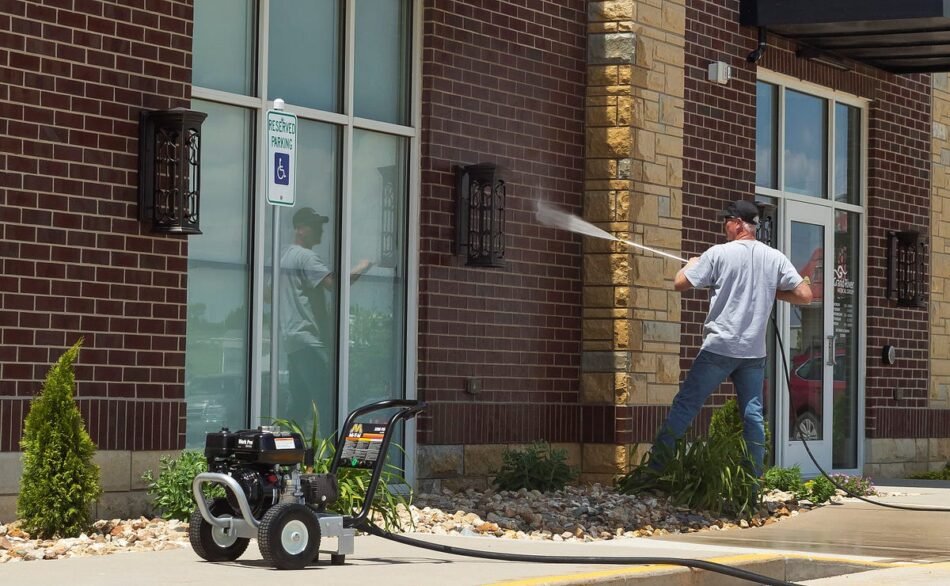
A 3000 PSI machine is not automatically the better purchase, and a 2000 PSI unit is not automatically gentle enough for every surface. The right pressure depends on the material, its condition, the contamination, and the cleaning method. Buying around the number alone can leave you with equipment that damages finishes or struggles to complete your regular work efficiently.
If you are considering a 2000 psi gas pressure washer, start by checking whether its operating specifications match your most common assignments. Look at water flow, pressure control, nozzle options, and service requirements alongside the advertised pressure. Those details determine how useful the machine will be throughout a working day.
The difference between these pressure classes becomes clearer when you compare actual cleaning situations. Routine washing, stubborn buildup, fragile coatings, and large paved areas place different demands on equipment. Understanding those demands helps you choose enough capability without treating maximum pressure as the default setting.
What the Extra 1000 PSI Actually Means
PSI stands for pounds per square inch. It describes pressure, but it does not measure the entire cleaning capability of a machine. A higher rating provides greater pressure capability under the specified operating conditions. It does not guarantee faster cleaning on every material.
A 3000 psi power washer may provide useful capacity for demanding work on suitable durable surfaces. However, the additional pressure only helps when the surface can tolerate the selected cleaning method. Using it on a weak coating or deteriorated joint can create a repair problem instead of a better result.
Check how each manufacturer presents its specifications. Maximum pressure and rated working pressure may be described differently across machines. Compare documented operating figures, including flow at the stated pressure, rather than assuming two prominent numbers represent identical test conditions.
Let the Surface Set the Limit
The material you are washing should guide your approach before the machine’s capability enters the decision. Concrete, painted metal, timber, mortar, and coated flooring respond differently to concentrated water. Their age and condition can be just as important as the material itself.
Durable Surfaces Still Need Inspection
An uncoated concrete service area may tolerate a cleaning method that would damage a painted panel. Even so, concrete varies in condition. Weak areas, previous repairs, surface treatments, and exposed aggregate can affect the result.
Inspect the surface and follow its manufacturer’s or installer’s maintenance guidance where available. Test an inconspicuous area before proceeding. Neither pressure class should be treated as universally suitable for every driveway, walkway, or commercial apron.
Coatings and Weathered Materials Need More Care
Loose paint, damaged finishes, and deteriorated mortar can fail under a pressure stream. A lower machine rating does not eliminate that risk. Nozzle choice, spray distance, angle, and the time spent over one spot all affect how the water acts on the surface.
Some materials require a different cleaning process altogether. If the approved maintenance instructions call for low-pressure washing, brushing, or a specific chemical treatment, choose equipment and methods that support those instructions.
Where Each Pressure Class May Fit
A machine around 2000 PSI may be adequate for certain maintenance tasks where the soil releases without aggressive treatment. Its suitability still depends on flow, accessories, and the material. Regular washing can also prevent the accumulation that makes later cleaning more difficult.
Equipment around 3000 PSI may be worth evaluating when suitable durable surfaces regularly carry more resistant deposits. The benefit should appear in a controlled test, with an acceptable finish and reasonable working time. More pressure has little value if operators must repeatedly compensate for an unsuitable setup.
| Situation | What should guide the choice |
|---|---|
| Routine dirt on a washable surface | The lowest effective approved pressure and adequate rinsing flow |
| Resistant buildup on sound, durable material | A tested combination of pressure, nozzle, and cleaning chemistry |
| Flaking paint or deteriorated joints | Surface condition and an appropriate alternative method |
| Large paved areas | Flow and surface-cleaner compatibility alongside pressure |
| Oily contamination | Suitable detergent and possibly heat, rather than pressure alone |
| Mixed commercial assignments | Approved pressure-control options and adaptable accessories |
Treat this comparison as a starting point for evaluation. It is not a set of universal surface ratings. A successful setup needs to account for the individual job.
Check Flow Before Blaming Insufficient Pressure
Water flow, measured in gallons per minute, affects how effectively loosened material is rinsed away. Two machines with the same pressure rating can have different flow rates and noticeably different handling characteristics. Looking only at PSI can hide that difference.
For example, a crew may loosen dirt successfully but spend too long moving the resulting slurry. Increasing pressure might not resolve that bottleneck. More suitable flow, a better rinsing sequence, or an appropriate accessory could be more useful.
The water supply must support the selected machine, too. Confirm the manufacturer’s inlet requirements through the hose and connections intended for the job. A higher-pressure purchase cannot overcome an inadequate supply without a properly designed solution.
For New Jersey contractors moving between commercial properties, recording water-access conditions before arrival can prevent wasted setup time. The right equipment specification includes the conditions required to operate it correctly.
Nozzle Choice Can Change the Result
A nozzle determines more than the shape of the spray. Its orifice must suit the machine’s flow and intended operating pressure, while its spray pattern influences how the water is distributed. Choosing by color alone leaves out part of the specification.
Match the Pattern to the Application
A narrow, concentrated stream can damage a vulnerable surface even when the machine has a lower pressure rating. A wider fan distributes the spray differently, but it does not establish that a particular material is safe to clean.
Use the manufacturer’s guidance for the task and start with an appropriate test. Maintain the recommended working distance and a controlled movement. Avoid concentrating the stream on one point while waiting for a stubborn mark to disappear.
Use Approved Methods to Adjust Pressure
Some machines provide manufacturer-approved pressure adjustment. Others rely on specified accessories or nozzle arrangements for different applications. Confirm how a proposed model is intended to operate before assuming it can cover every lower-pressure task.
Do not turn engine speed or unloader adjustments into improvised cleaning controls. Follow the operating manual and obtain qualified guidance where necessary. An adjustment that changes the system beyond its intended conditions can affect performance and reliability.
Diagnose Stubborn Dirt Before Adding Force
A mark that survives the first pass is not always evidence that the machine needs more pressure. Oil staining, mineral deposits, organic growth, and ordinary dirt require different treatments. Identify the contamination before deciding how to remove it.
A compatible detergent may help release soil with less repeated washing. Follow its dilution, dwell-time, temperature, and rinsing instructions. Check that it is suitable for both the surface and the equipment’s application system.
Old discoloration in porous material may remain after removable contamination has gone. Continuing to increase pressure can erode the surface without restoring its original appearance. Agree on realistic results with the customer before work begins.
This distinction matters when comparing machines. A demonstration should show whether the equipment removes the intended soil effectively, rather than whether it can strip away material until a patch looks different.
Choose Around the Work That Pays Regularly
Consider an illustrative business handling frequent maintenance washing on compatible equipment and small service areas. If a properly configured lower-pressure machine achieves the required result efficiently, upgrading purely for a larger PSI figure may offer little return.
A different contractor may regularly clean extensive, durable surfaces with resistant buildup. A higher-pressure option could be useful, provided its flow, accessories, water requirements, and operating method also suit those contracts.
Compare total job time rather than the speed of one spray pass. Include unloading, connecting utilities, applying detergent, washing, rinsing, and packing away. Equipment that looks stronger during a brief demonstration may offer a smaller advantage across the complete assignment.
Before purchasing, request a demonstration on representative material or rent suitable equipment for a typical job. Record the result, working time, water use, and operator feedback. That evidence provides a more reliable basis for buying than assumptions about either pressure class.
Buy the Capability You Can Use Safely and Consistently
The choice between 2000 and 3000 PSI depends on whether the additional pressure improves your regular work within the surface’s limits. Flow, nozzle selection, chemistry, equipment design, and operator technique all contribute to that answer.
When discussing options with Pressure King Inc., describe your recurring jobs and explain where the current process falls short. Request complete specifications and an appropriate working setup. Choose the machine that delivers a consistent finish at a practical operating cost, with enough flexibility for the assignments your business actually accepts.


