 WhatsApp Us Now

Joint pain can make even simple daily activities uncomfortable. Walking, climbing stairs, bending, exercising, or getting out of bed may become difficult when your joints hurt. Whether you experience knee pain, hip pain, shoulder discomfort, or stiffness in your hands and feet, joint pain can significantly affect your mobility and quality of life.
What causes joint pain?
Joint pain can develop due to several conditions, including osteoarthritis, rheumatoid arthritis, gout, injuries, inflammation, and repetitive strain. While mild joint discomfort may improve with appropriate home care, persistent or severe pain may indicate an underlying condition that requires medical attention.
Understanding the cause of joint pain is essential for choosing the right treatment. In this guide, we explore the common causes, symptoms, risk factors, diagnosis, treatment options, exercises, and prevention strategies to help you better understand and manage joint pain.
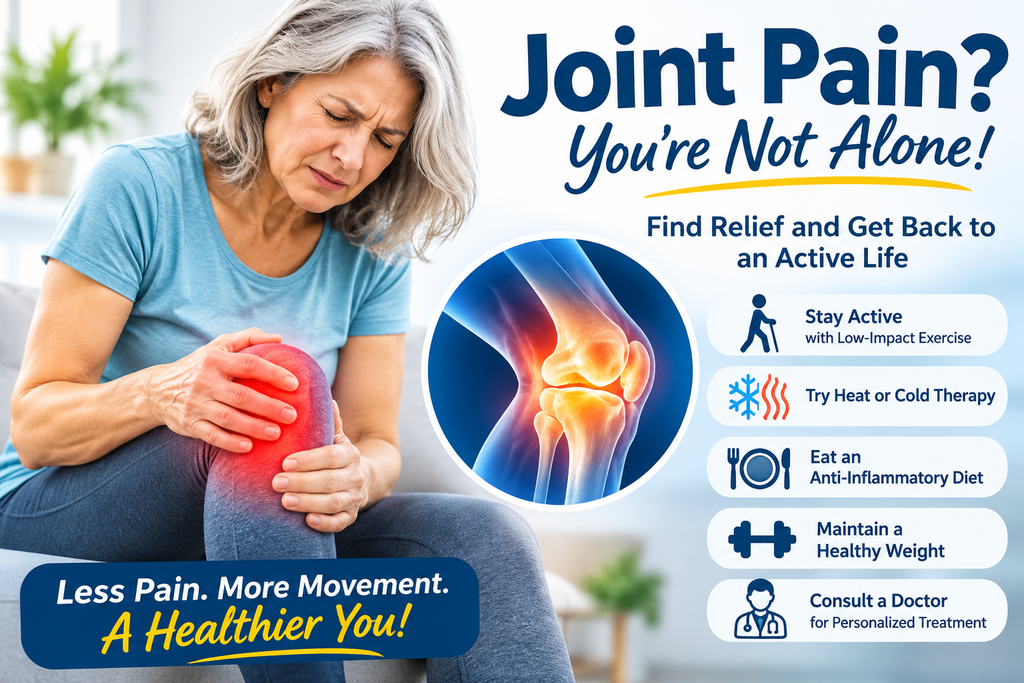
What Is Joint Pain?
Joint pain refers to discomfort, soreness, stiffness, or aching in one or more joints. A joint is the area where two or more bones meet, allowing your body to perform movements such as walking, bending, lifting, and rotating.
Healthy joints contain cartilage, connective tissues, and synovial fluid that help reduce friction and support smooth movement.
When these structures become damaged, irritated, or inflamed, you may experience joint pain, swelling, tenderness, and restricted movement.
Joint pain can affect almost any part of the body, but it commonly occurs in:
- Knees
- Hips
- Shoulders
- Hands and fingers
- Feet and ankles
- Elbows
- Spine
The discomfort may be temporary or chronic, depending on its underlying cause.
What Causes Joint Pain?
There are several possible causes of joint pain. Some involve gradual wear and tear, while others develop because of inflammation, autoimmune conditions, infections, or physical injuries.
Understanding these causes can help identify the most appropriate treatment.
1. Osteoarthritis
Osteoarthritis is one of the most common causes of joint pain, particularly among older adults.
It is a degenerative joint disease involving changes in cartilage and other joint tissues. Cartilage normally provides a smooth, protective surface between bones. As the joint changes over time, movement may become painful and stiffness can develop.
Common symptoms of osteoarthritis include:
- Pain during or after movement.
- Joint stiffness, particularly after inactivity.
- Swelling and tenderness.
- Reduced flexibility.
- Clicking or grinding sensations.
- Difficulty performing everyday activities.
Osteoarthritis commonly affects the knees, hips, hands, and spine.
2. Rheumatoid Arthritis
Rheumatoid arthritis is an autoimmune disease in which the immune system mistakenly attacks the lining of the joints.
This causes inflammation that can damage cartilage, bone, and surrounding tissues if left untreated.
Common symptoms include:
- Painful and swollen joints.
- Morning stiffness, often lasting longer than 30 minutes.
- Warmth and tenderness.
- Fatigue and weakness.
- Symptoms affecting corresponding joints on both sides of the body.
Early diagnosis and treatment can help control inflammation and reduce the risk of permanent joint damage.
3. Gout
Gout is an inflammatory form of arthritis caused by the accumulation of uric acid crystals inside a joint.
It often produces sudden, intense episodes of joint pain, swelling, redness, and warmth.
The big toe is a common location, although gout can also affect the ankles, knees, wrists, and other joints.
4. Joint Injuries
Physical injuries are another common cause of joint pain.
Falls, sports injuries, accidents, and sudden twisting movements can damage the structures supporting a joint.
Common injuries include:
- Ligament sprains and tears.
- Cartilage injuries.
- Meniscus tears.
- Joint dislocations.
- Fractures involving a joint.
Depending on the injury, symptoms may include sudden pain, swelling, bruising, instability, and difficulty moving the affected joint.
5. Bursitis
Bursitis occurs when a bursa, a small fluid-filled sac that cushions bones, tendons, and muscles, becomes irritated or inflamed.
It commonly affects the shoulder, hip, elbow, and knee.
Symptoms may include localized tenderness, swelling, and pain that increases with movement or pressure.
6. Tendinitis
Tendinitis refers to inflammation or irritation of a tendon, which connects muscle to bone.
Repeated movements, overuse, and sudden increases in physical activity can contribute to tendon problems.
Common areas affected include the shoulder, elbow, wrist, knee, and Achilles tendon.
Pain is often noticeable when moving the affected joint or placing stress on the tendon.
7. Joint Infections
A joint infection, medically known as septic arthritis, occurs when microorganisms enter a joint and cause infection.
It can lead to severe joint pain, swelling, warmth, redness, and fever.
A suddenly hot, swollen, and extremely painful joint requires urgent medical evaluation, especially when accompanied by fever. Prompt treatment is important to prevent permanent joint damage.
8. Overuse and Repetitive Movements
Repeatedly performing the same physical movements can place excessive stress on joints and surrounding tissues.
This may happen because of:
- Repetitive workplace activities.
- Excessive exercise without sufficient recovery.
- Prolonged standing or walking.
- Improper exercise techniques.
- Sudden increases in physical activity.
Overuse can contribute to joint irritation, tendon problems, and localized discomfort.
What Are the Risk Factors for Joint Pain?
Although joint pain can affect people of all ages, certain factors can increase the likelihood of developing joint problems.
Common risk factors include:
- Age: The likelihood of osteoarthritis and other joint conditions generally increases with age.
- Excess body weight: Additional weight increases mechanical stress on weight-bearing joints, especially the knees and hips.
- Previous injuries: Past ligament injuries, fractures, and cartilage damage can increase the risk of future joint problems.
- Family history: Genetics can influence the risk of certain forms of arthritis.
- Repetitive activities: Repeated movements may strain joints and surrounding tissues.
- Autoimmune conditions: Diseases such as rheumatoid arthritis can cause chronic joint inflammation.
- Physical inactivity: Limited movement can contribute to muscle weakness and reduced joint function.
Recognizing these risk factors can help you make informed decisions about protecting your joint health.
What Are the Symptoms of Joint Pain?
Joint pain symptoms vary depending on the affected joint and the underlying condition.
Some people experience mild, occasional discomfort, while others develop persistent pain that interferes with daily activities.
Common joint pain symptoms include:
- Pain and aching: Discomfort during movement, at rest, or after physical activity.
- Joint stiffness: Difficulty moving a joint, particularly after waking up or sitting for extended periods.
- Swelling: Inflammation or fluid accumulation around the joint.
- Tenderness: Pain when touching or applying pressure to the affected area.
- Warmth and redness: These may indicate inflammation or infection.
- Reduced range of motion: Difficulty fully bending, straightening, or rotating a joint.
- Clicking or grinding: Sounds or sensations during movement.
- Joint weakness: Difficulty supporting weight or performing normal movements.
The location, duration, and pattern of symptoms can provide important clues about the cause.
Which Joints Are Commonly Affected by Pain?
Joint pain can develop in almost any joint, but certain areas are more commonly affected.
Knee Joint Pain
Knee pain is common because the knees support body weight and play an important role in walking, running, standing, and climbing stairs.
Possible causes include osteoarthritis, ligament injuries, meniscus tears, bursitis, and overuse.
Hip Joint Pain
Hip joint pain may develop due to osteoarthritis, bursitis, injuries, or inflammation.
It can cause discomfort in the groin, outer hip, buttocks, or upper thigh, sometimes making walking and standing difficult.
Shoulder Joint Pain
Shoulder pain may result from arthritis, rotator cuff problems, bursitis, or tendon irritation.
People may experience discomfort when lifting their arms, reaching overhead, or sleeping on the affected side.
Hand and Finger Joint Pain
Pain in the hands and fingers can make everyday activities such as writing, typing, gripping objects, and opening containers difficult.
Common causes include osteoarthritis, rheumatoid arthritis, gout, and repetitive strain.
Foot and Ankle Joint Pain
Foot and ankle joint pain can develop due to arthritis, injuries, inflammation, or excessive pressure.
It may cause discomfort during walking, standing, exercising, or wearing certain footwear.
How Is Joint Pain Diagnosed?
Diagnosing joint pain involves identifying the underlying condition rather than simply treating the discomfort.
A healthcare professional may recommend several steps.
1. Medical History
Your healthcare professional may ask about:
- When the joint pain started.
- Which joints are affected.
- Whether the pain is constant or intermittent.
- Whether movement makes it worse.
- Previous injuries or medical conditions.
- Whether you experience morning stiffness or swelling.
2. Physical Examination
A physical examination helps assess the affected joint and surrounding tissues.
Your healthcare professional may evaluate:
- Swelling and tenderness.
- Joint warmth and redness.
- Range of motion.
- Muscle strength.
- Joint stability.
- Pain during specific movements.
3. Imaging Tests
Imaging tests can help identify structural problems.
X-rays: May reveal joint-space narrowing, fractures, bone spurs, and certain arthritic changes.
MRI: Provides detailed images of cartilage, ligaments, tendons, and other soft tissues.
Ultrasound: Can help identify inflammation, fluid buildup, and tendon problems.
4. Blood Tests
Blood tests may help identify inflammatory or autoimmune conditions.
Depending on the suspected diagnosis, tests may include inflammatory markers, rheumatoid factor, anti-CCP antibodies, and uric acid levels.
In certain cases, a healthcare professional may recommend joint fluid analysis to check for infection or crystals.
How to Relieve Joint Pain: Treatment Options
Joint pain treatment depends on its underlying cause, severity, and the structures involved.
Some people improve with conservative treatment, while others require medication, Peripheral joint injections, or surgery.
1. Rest and Activity Modification
Reducing activities that aggravate joint pain can help irritated tissues recover.
However, prolonged inactivity may increase stiffness and muscle weakness.
Try modifying painful activities while maintaining gentle movement when appropriate.
2. Ice and Heat Therapy
Both ice and heat may help manage certain types of joint discomfort.
Ice therapy: May help reduce pain and swelling, particularly after an acute injury. Apply an ice pack wrapped in a towel for approximately 15–20 minutes.
Heat therapy: May help relieve stiffness and relax surrounding muscles. A warm compress or heating pad may be useful before gentle movement.
Avoid applying ice or heat directly to your skin.
3. Physical Therapy
Physical therapy is an important treatment option for many people experiencing joint pain.
A physical therapist can develop an individualized rehabilitation program to improve joint mobility, muscle strength, flexibility, balance, and functional movement.
Treatment may include:
- Gentle range-of-motion exercises.
- Strengthening exercises.
- Stretching.
- Balance and coordination training.
- Gait training.
- Manual therapy when appropriate.
Strengthening the muscles surrounding a joint can improve support and make everyday activities easier.
4. Low-Impact Exercise
Regular physical activity can help maintain joint mobility and strengthen supporting muscles.
Suitable activities may include:
- Walking.
- Swimming.
- Stationary cycling.
- Water-based exercises.
- Gentle yoga.
- Tai chi.
Start gradually and adjust the intensity according to your symptoms. Exercise should not cause significant or persistent increases in joint pain.
5. Weight Management
Maintaining a healthy body weight can reduce mechanical stress on weight-bearing joints, especially the knees and hips.
For people with overweight or obesity and knee osteoarthritis, even modest weight loss may improve symptoms.
Combining appropriate physical activity with balanced nutrition can support long-term joint health.
6. Medications for Joint Pain
Depending on the diagnosis, healthcare professionals may recommend medications to reduce pain and inflammation.
Common options include:
- Acetaminophen: May help relieve pain but does not directly reduce inflammation.
- Nonsteroidal anti-inflammatory drugs (NSAIDs): Medicines such as ibuprofen and naproxen can reduce pain and inflammation.
- Topical pain relievers: Certain creams and gels may help relieve localized discomfort.
- Corticosteroids: Injections into selected joints may provide short-term relief from inflammation.
- Disease-modifying medications: Conventional DMARDs and biologic medications may be prescribed for inflammatory arthritis.
Medication selection depends on your diagnosis, medical history, and potential side effects. Consult a healthcare professional before starting medication.
7. Supportive Devices
Some people benefit from supportive devices that reduce pressure on affected joints and improve mobility.
Examples include:
- Knee braces.
- Ankle supports.
- Walking canes.
- Orthotic shoe inserts.
- Finger splints.
The appropriate device depends on the affected joint and underlying condition.
Exercises That May Help Relieve Joint Pain
Appropriate exercises can help improve joint function, reduce stiffness, and strengthen surrounding muscles.
Here are a few examples commonly used in rehabilitation.
1. Knee Extensions
- Sit upright on a stable chair.
- Slowly straighten one knee.
- Hold for a few seconds.
- Lower your foot gently.
- Repeat with the opposite leg.
This exercise strengthens the quadriceps muscles that support the knee.
2. Heel Slides
- Lie on your back with your legs extended.
- Slowly slide one heel toward your buttocks.
- Bend your knee as far as comfortable.
- Slide your heel back to the starting position.
Heel slides help maintain knee mobility.
3. Ankle Circles
- Sit comfortably with one foot slightly raised.
- Slowly rotate your ankle in a circular motion.
- Repeat in the opposite direction.
- Switch feet.
This gentle movement helps maintain ankle mobility.
4. Gentle Shoulder Rolls
- Sit or stand with a relaxed posture.
- Slowly roll your shoulders forward.
- Repeat the movement backward.
- Avoid forcing the movement if it causes pain.
Shoulder rolls may help reduce stiffness around the shoulder region.
Important: These are general exercise examples, not treatments for every cause of joint pain. Avoid movements that worsen your symptoms. Seek professional guidance if you have an injury, significant swelling, or severe pain.
Can Diet Affect Joint Health?
Diet plays an important role in overall health and may support people managing certain joint conditions.
Although no single food can cure arthritis or eliminate joint pain, a balanced eating pattern can help maintain a healthy weight and provide nutrients needed for normal body function.
Consider including:
- Fatty fish: Salmon, sardines, and mackerel provide omega-3 fatty acids.
- Colorful fruits: Berries and oranges provide vitamins and antioxidants.
- Leafy vegetables: Spinach, kale, and broccoli provide important nutrients.
- Nuts and seeds: Provide healthy fats, fiber, and minerals.
- Whole grains: Oats and brown rice provide fiber and other nutrients.
- Olive oil: Contains monounsaturated fats.
People with gout may benefit from individualized dietary advice because certain foods and beverages can contribute to elevated uric acid levels.
When Should You See a Doctor for Joint Pain?
Occasional mild joint discomfort may improve with appropriate home care. However, persistent or unexplained pain should not be ignored.
Seek medical evaluation if:
- Joint pain lasts more than a few days without improvement.
- Pain repeatedly returns.
- Swelling or stiffness interferes with movement.
- You have difficulty walking or using the affected joint.
- Joint pain affects your sleep or daily activities.
- You experience unexplained weight loss or persistent fatigue.
Seek urgent medical attention if a joint suddenly becomes hot, red, swollen, and extremely painful, particularly if you also have a fever or feel unwell. This could indicate septic arthritis or another urgent condition.
Following a significant injury, prompt evaluation is also important if you cannot bear weight, the joint appears deformed, or you experience severe swelling.
What Happens If Joint Pain Is Left Untreated?
The consequences of untreated joint pain depend on its underlying cause.
For example, untreated rheumatoid arthritis can lead to progressive joint damage, while an untreated joint infection can rapidly damage cartilage and surrounding tissues.
Other possible consequences include:
- Reduced joint mobility.
- Muscle weakness.
- Difficulty performing everyday activities.
- Changes in walking patterns.
- Reduced physical activity.
- Sleep disturbances.
- Decreased quality of life.
Early diagnosis and appropriate treatment can help prevent complications and preserve joint function.
How Can You Prevent Joint Pain?
Although not every joint condition can be prevented, several healthy habits may reduce the risk of certain joint problems.
- Maintain a healthy body weight.
- Exercise regularly with appropriate intensity.
- Strengthen the muscles surrounding your joints.
- Warm up before strenuous physical activity.
- Avoid sudden increases in exercise intensity.
- Use proper techniques when lifting heavy objects.
- Take breaks from repetitive activities.
- Wear appropriate, supportive footwear.
- Address joint injuries promptly.
- Follow your healthcare professional’s recommendations for existing joint conditions.
Frequently Asked Questions About Joint Pain
1. What is the most common cause of joint pain?
Osteoarthritis is one of the most common causes of joint pain, particularly among older adults. It involves progressive changes in cartilage and other joint structures. However, injuries, inflammatory arthritis, gout, and other conditions can also cause joint pain.
2. Why do my joints hurt when I wake up?
Morning joint pain and stiffness may occur because of reduced movement during sleep and underlying joint inflammation or degeneration. Prolonged morning stiffness can be associated with inflammatory conditions such as rheumatoid arthritis.
3. Can joint pain go away on its own?
Yes. Mild joint pain caused by temporary overuse or minor injuries may improve with appropriate rest and activity modification. However, pain caused by arthritis, autoimmune conditions, or infections may require specific medical treatment.
4. Does walking help joint pain?
Walking can improve mobility, muscle strength, and overall joint function. Low-impact walking may be particularly beneficial for people with osteoarthritis. However, adjust your activity if walking increases pain or swelling.
5. What is the difference between joint pain and muscle pain?
Joint pain originates in or around a joint and may involve stiffness, swelling, and restricted movement. Muscle pain typically affects muscle tissue and may feel sore, tight, or tender, particularly after physical activity.
However, these symptoms can overlap, so identifying the exact source of pain may require an examination.
6. Can stress cause joint pain?
Stress does not necessarily damage joints, but it can influence how the nervous system processes pain. Poor sleep, muscle tension, and increased pain sensitivity may also make existing joint discomfort feel worse.
7. Which vitamin deficiency causes joint pain?
Vitamin D deficiency can contribute to bone discomfort and muscle weakness. However, joint pain has many possible causes, and vitamin deficiencies are not responsible for every case. Testing may be appropriate when a deficiency is suspected.
8. Is joint pain always a sign of arthritis?
No. Joint pain can result from injuries, tendon problems, bursitis, infections, overuse, and other conditions. Arthritis is a common cause, but an accurate diagnosis is important before starting treatment.
9. Why does joint pain get worse with movement?
Movement can increase discomfort when a joint is inflamed, injured, or affected by degenerative changes. However, some joint conditions improve with gentle movement. The relationship between activity and pain depends on the underlying cause.
10. What is the best treatment for joint pain?
There is no single treatment that works for everyone. Depending on the cause, treatment may include physical therapy, appropriate exercise, weight management, medication, supportive devices, or surgery.
Conclusion: Take the Right Steps Toward Joint Pain Relief
Joint pain can affect your ability to walk, exercise, work, and enjoy everyday activities. Although arthritis is a major cause, injuries, inflammation, repetitive movements, and infections can also contribute to painful joints.
The most effective approach to joint pain relief is to identify its underlying cause and choose an appropriate treatment plan. Physical therapy, gentle exercise, weight management, activity modification, and medications may all play a role in improving joint function.
Do not ignore persistent, worsening, or unexplained joint pain. Early evaluation can help identify the problem, prevent complications, and support better long-term mobility.


