 WhatsApp Us Now

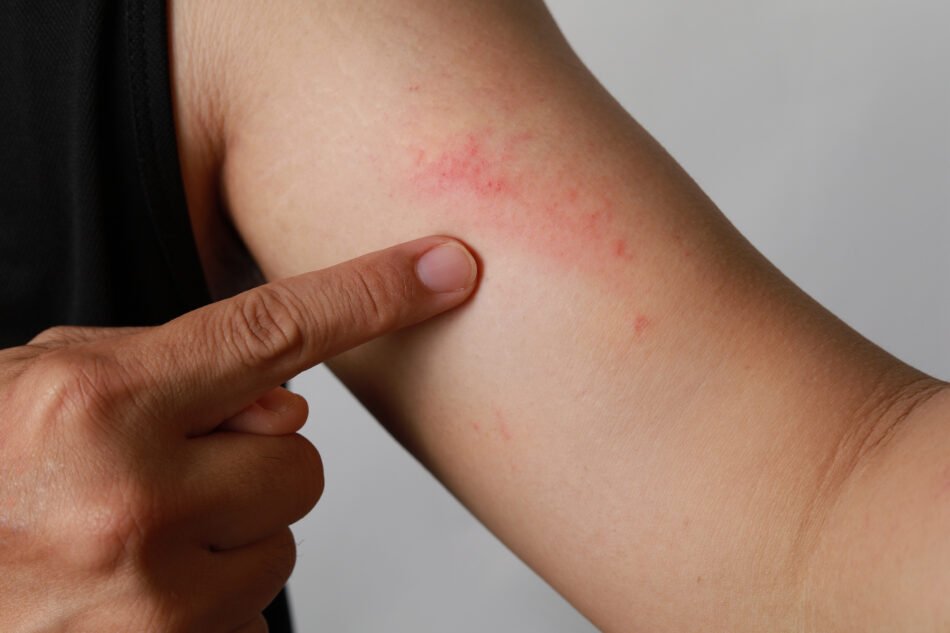
Eczema can be a frustrating skin condition for adults who experience recurring dryness, itching, redness, and irritation. Persistent symptoms may interfere with sleep, concentration, work, and everyday comfort, making appropriate skin management essential. Understanding the available options for Eczema Treatment in Dubai can help adults make informed decisions about their skin health and identify suitable ways to manage ongoing discomfort. Although eczema cannot always be permanently eliminated, a personalized approach can help control flare-ups, protect the skin barrier, and support a more comfortable daily life.
Can Adults Benefit From Eczema Treatment?
Yes, adults with persistent eczema may benefit from suitable treatment and consistent skin care. The most appropriate approach depends on symptom severity, affected areas, personal medical history, and possible triggers. Treatment aims to reduce inflammation, relieve itching, and maintain the skin’s protective barrier.
Adults should understand that eczema management is not identical for everyone. Some individuals experience mild dryness, while others have widespread irritation that affects their daily activities.
Common Signs That Symptoms Need Attention
Persistent symptoms should not be dismissed as ordinary dry skin, especially when irritation repeatedly returns or becomes difficult to manage. Common signs include:
- Repeated itching that interferes with sleep or concentration.
- Dry, rough, flaky, or unusually sensitive skin.
- Redness, swelling, or irritated patches.
- Cracked skin that causes soreness or discomfort.
- Thickened areas caused by repeated scratching.
Factors That Can Make Adult Eczema Worse
Several everyday influences can aggravate eczema symptoms. Potential aggravating factors include:
- Fragranced soaps, detergents, and skincare products.
- Hot showers that remove natural skin oils.
- Dry air, excessive sweating, or sudden temperature changes.
- Rough fabrics that create friction against sensitive skin.
- Stress, which may intensify itching or scratching.
- Certain workplace substances, including cleaning products.
The Importance of Protecting the Skin Barrier
The skin barrier helps retain moisture and protect the body from external irritants. In people with eczema, this protective layer may be weakened, allowing moisture to escape more easily and making the skin more vulnerable to irritation.
Regular moisturizing is an important part of daily skin care. Fragrance-free creams or ointments are often helpful because they support hydration without introducing unnecessary fragrances. Applying moisturizer after washing, while the skin is slightly damp, can help retain moisture.
Medical Options for Persistent Symptoms
When basic skin care is insufficient, healthcare professionals may recommend medical treatments according to the nature and severity of the condition. These options can include topical corticosteroids to control inflammation or other prescription creams designed to manage eczema.
For selected patients, nonsteroidal topical medications may be appropriate. Adults with more severe or widespread symptoms might also be considered for specialist treatments, including certain oral medications, biologic therapies, or phototherapy.
Managing Itching Without Damaging the Skin
Itching is among the most troublesome features of eczema. Scratching may provide brief relief, but repeated friction can damage the skin, increase irritation, and contribute to thickened patches. Helpful habits include:
- Keeping fingernails short and clean.
- Applying a cool compress to uncomfortable areas.
- Choosing soft, breathable clothing.
- Maintaining a comfortable indoor temperature.
- Using gentle, fragrance-free moisturizing products.
How Daily Habits Support Eczema Management
Daily routines can influence skin comfort and help reduce unnecessary irritation. Adults may benefit from using mild cleansing products, moisturizing consistently, and avoiding skincare ingredients that cause stinging or redness.
Stress management can also be valuable because emotional strain may worsen the itching and scratching cycle. Relaxation exercises, regular physical activity, and adequate rest can support general well-being, although these habits do not replace medical treatment.
When to Seek Professional Assessment
Adults should consider medical assessment when eczema symptoms persist, repeatedly return, spread across larger areas, or interfere with everyday activities. Evaluation is particularly important when the diagnosis is uncertain or ordinary moisturizing does not provide sufficient relief.
Seek prompt medical attention if affected skin becomes increasingly painful, warm, swollen, or develops pus or yellowish crusting. These changes may indicate an infection that requires appropriate care. Fever alongside worsening skin symptoms also warrants urgent assessment.
Final Thoughts
Eczema treatment can be suitable for adults experiencing persistent symptoms, particularly when their care plan reflects the severity of irritation, individual triggers, and overall skin health. Although managing eczema may require ongoing attention, consistent moisturizing, gentle skincare habits, trigger awareness, and appropriate medical support can help reduce discomfort and protect the skin barrier. Adults should avoid assuming that every itchy or inflamed patch is eczema or that one treatment works for everyone.


