 WhatsApp Us Now

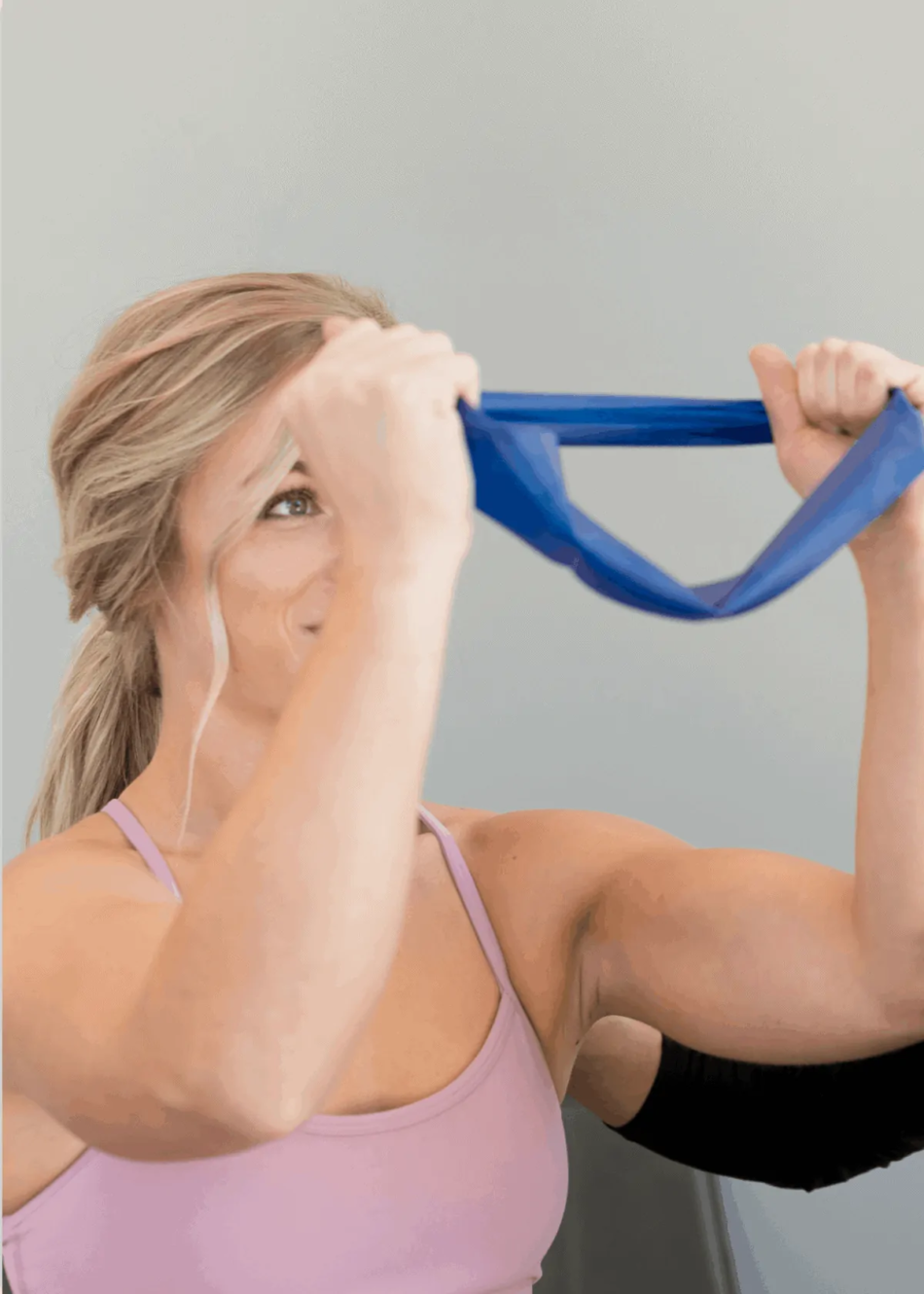
Healthcare is no longer about treating symptoms one at a time or focusing on immediate medical issues. People are now looking for ways that address physical health, mental well-being, lifestyle, and long-term wellness together; interest in integrated healthcare has increased because different treatment methods (and healthcare professionals) work together to support better patient outcomes. Integrated health solutions bring these elements together in a coordinated approach, helping people address their health concerns while building sustainable habits for a better quality of life.
What Are Integrated Health Solutions?
Integrated health solutions combine conventional medical care with complementary therapies, preventive healthcare and lifestyle-based interventions. Instead of looking at each health concern in isolation, this approach considers how different aspects of health relate to one another.
Let’s say someone has persistent back pain. They may also have poor sleep, stress and reduced physical activity. Treating just the pain alone won’t fix all those things that are affecting their well-being, so that an integrated approach might include medical assessment, physical rehabilitation, pain management, stress reduction and lifestyle advice.
The idea is to have a coordinated care plan based on individual needs, not one treatment method.
Why Is Integrated Healthcare Becoming Important?
Several factors explain the growing interest in integrated healthcare. Chronic diseases, sedentary lifestyles, work-related stress and changing nutritional habits have made people more aware of their overall health.
Integrated care offers several advantages:
A broader view of health
It includes physical, emotional and lifestyle factors that may contribute to a health problem.
Personalised treatment plans
Healthcare advice can be tailored to individual medical histories, symptoms and wellness goals.
Better Care Coordination
Different healthcare professionals can work together to provide consistent guidance, reducing fragmented treatment.
Prevention
Health checks and lifestyle changes can help identify potential issues early on.
Long-Term Wellness
It focuses on sustainable habits (not just short-term symptom management).
These benefits make integrated healthcare an attractive option for people who want a more holistic view of their health.
Key Components of an Integrated Health Approach
An integrated care programme may include several complementary services (depending on the individual’s needs).
1. Conventional Medical Care
Medical examinations, diagnostic tests, medication management, and specialist consultations are still part of healthcare because they help identify underlying conditions and develop appropriate treatment plans.
2. Physical Rehabilitation and Movement
Physical therapy, corrective exercises, mobility training and other rehabilitation methods can help with recovery, flexibility, and managing physical limitations. Movement also improves cardiovascular health and overall fitness.
3. Complementary Therapies
Some complementary therapies (e.g., acupuncture) can be part of an integrated care plan when clinically indicated. They may help with symptom management and relaxation alongside medical treatment.
4. Nutrition and Lifestyle Guidance
Diet, hydration, sleep and daily activity all affect health. Nutrition advice and lifestyle recommendations can guide people to make choices that align with their long-term wellness plans.
5. Mental and Emotional Well-Being
Stress, anxiety and emotional difficulties can affect physical health. Mindfulness, relaxation, counselling and mental health support may be part of a holistic healthcare plan.
How Integrated Health Solutions Support Different Health Needs?
Integrated healthcare can be tailored to many issues. People with chronic pain may benefit from medical care coordination, rehabilitation, and complementary therapies; people recovering from injuries might need clinical assessment, physical therapy, and a gradual return to activity.
The point to remember is that treatment decisions should be made on an individual basis, based on clinical evidence and professional advice. Not every therapy is right for everyone, and complementary approaches should never replace necessary medical treatment.
Choosing the Right Integrated Healthcare Approach
People starting an integrated care programme should consider the qualifications and experience of healthcare providers. A good provider needs to know the patient’s medical history, explain available treatment options, and set realistic wellness goals.
Building a Healthier Future Through Coordinated Care
Good health isn’t just about treating symptoms when they occur, prevention is needed: physical activity, nutrition, emotional balance, and medical support. Integrated health solutions bring these elements together through coordinated and personalised approaches.


