 WhatsApp Us Now
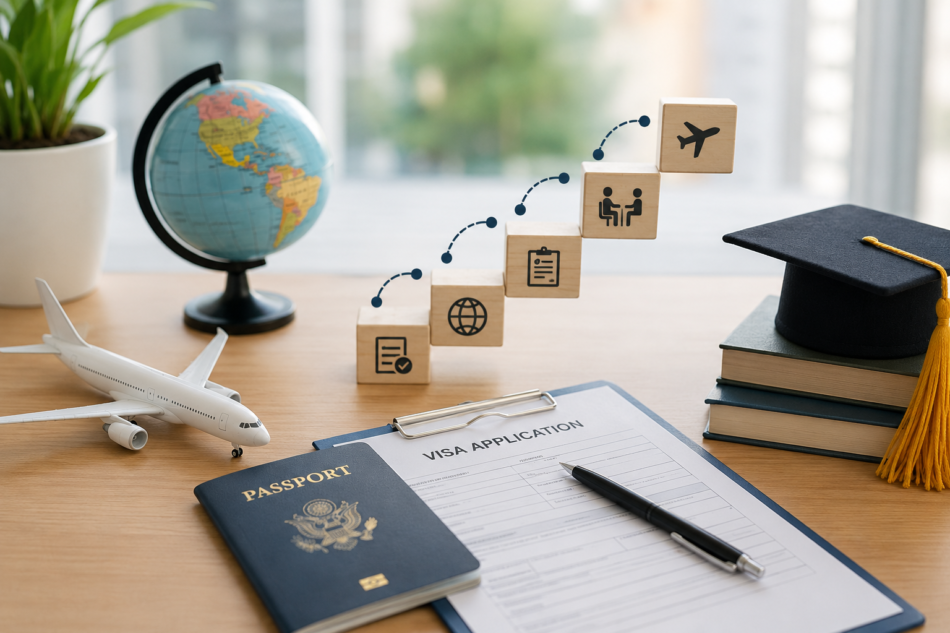
Studying abroad is an exciting opportunity for students who want to gain international academic experience, explore new cultures, and build a global career. However, before travelling to another country for education, students need to complete an important part of the process: applying for a student visa.
A student visa allows an international student to legally enter and stay in a foreign country for the purpose of studying. The application process can vary depending on the destination, university, course, and applicant’s circumstances. Understanding the process in advance can help students prepare the right documents and avoid unnecessary delays. This guide explains the major steps involved in applying for a student visa.
Step 1: Choose Your Country and University
The first step is to decide where you want to study and select a suitable university and course. Consider factors such as tuition fees, living expenses, academic requirements, career opportunities, and visa conditions. Once you receive an admission offer from a recognised educational institution, you can begin preparing for the visa application. Always check whether the institution meets the immigration requirements of your chosen destination.
For example, students planning to study in Canada need to understand the requirements and documentation associated with the Canada Student Visa before starting their application.
Step 2: Receive Your Admission Letter
After applying to your selected university, you must wait for an admission decision. If your application is successful, the institution will provide an official acceptance or admission letter. This document is extremely important because it confirms that you have been accepted for a particular course. Immigration authorities generally require proof of admission as part of the student visa application.
Make sure the information on the letter, including your name, course, institution, and intake date, is accurate.
Step 3: Check the Visa Requirements
Visa requirements differ from one country to another. Before submitting your application, carefully check the official immigration requirements for your destination.
Common requirements may include:
- Valid passport
- University admission letter
- Academic certificates and transcripts
- Proof of financial resources
- Passport-sized photographs
- English-language or other language test results, where applicable
- Health insurance or medical documents
- Visa application forms
- Proof of accommodation, where required
- Visa application fee
- Additional supporting documents
Students should prepare documents well in advance because obtaining certain certificates or financial documents can take time.
Step 4: Arrange Proof of Funds
Financial documentation is an important part of many student visa applications. You may need to demonstrate that you can afford your tuition fees and living expenses during your studies. Depending on the destination, acceptable financial evidence may include bank statements, education loans, scholarships, fixed deposits, sponsorship documents, or other approved financial records.
The amount required can vary based on the country, duration of study, tuition fees, and living costs. Therefore, always verify the latest financial requirements before submitting your application.
Step 5: Complete the Visa Application
Once your documents are ready, complete the appropriate visa application form. Make sure that every detail matches your passport and university documents.
Pay particular attention to:
- Personal information
- Passport details
- Course information
- University details
- Previous travel history
- Educational background
- Financial information
Incorrect or inconsistent information can create complications during the application process. Review your application carefully before submission.
Step 6: Pay the Application Fee
Most countries charge a fee for processing student visa applications. The amount and payment method depend on the destination country. Keep your payment receipt or confirmation because it may be required as evidence that your application has been submitted successfully.
You should also consider additional expenses such as biometric charges, medical examinations, document translations, courier services, or other application-related costs.
Step 7: Submit Biometrics and Complete Medical Requirements
Some countries require international students to provide biometric information, such as fingerprints and photographs. Depending on the destination and individual circumstances, applicants may also need to complete a medical examination or provide specific health-related documents.
Follow the instructions provided by the relevant immigration authority and complete these requirements within the specified timeframe.
Step 8: Prepare for the Visa Interview
Not every student is required to attend an interview, but some applicants may be asked questions about their study plans and background.
Typical questions may include:
- Why did you choose this country?
- Why did you select this university?
- What course are you going to study?
- How will you finance your education?
- What are your career plans after graduation?
- Why did you choose this particular course?
Answer honestly and confidently. Your answers should be consistent with the information provided in your application and supporting documents.
Students planning to study in Germany should also familiarise themselves with the Germany Student Visa process, including the specific documentation and financial requirements applicable to their situation.
Step 9: Track Your Application
After submitting your application, you may be able to track its progress through the relevant visa or immigration portal. Processing times can vary depending on the country, application volume, intake period, and individual circumstances. Avoid making non-refundable travel arrangements until you have received the appropriate visa approval.
If immigration authorities request additional documents, submit them within the given deadline.
Step 10: Receive Your Visa and Prepare for Travel
Once your student visa is approved, carefully check the visa details. Verify your name, passport number, visa validity, conditions, and permitted duration of stay. After receiving the visa, start preparing for your journey. Arrange accommodation, book flights when appropriate, organise your finances, and keep important documents accessible during travel.
It is also useful to carry copies of your admission letter, passport, visa, financial documents, accommodation details, and other important paperwork.
Common Reasons for Student Visa Delays or Rejection
Students can reduce potential problems by preparing their applications carefully. Some common issues include:
- Incomplete documentation
- Incorrect information on the application form
- Insufficient financial evidence
- Unclear study plans
- Inconsistent information between documents
- Missing deadlines
- Failure to meet specific immigration requirements
- Inadequate explanation of the purpose of study
A well-organised application demonstrates that you understand your study plans and have prepared properly for your international education journey.
Final Checklist Before Applying
Before submitting your student visa application, make sure you have:
- Received your university admission letter
- Checked the latest visa requirements
- Prepared your financial documents
- Completed the visa application form
- Paid the required fees
- Arranged biometrics or medical requirements if applicable
- Prepared for a possible interview
- Checked all documents for accuracy
- Saved copies of your application and supporting documents
Conclusion
Applying for a student visa can seem complicated, but following the process step by step makes it much easier to manage. Start by securing admission to a recognised institution, understand the visa requirements, prepare your financial and academic documents, submit an accurate application, and respond promptly to any requests from immigration authorities.
Visa rules can change, so students should always verify the latest information through the official immigration website of their chosen destination before applying. Proper preparation can help make the transition from university admission to studying abroad smoother and more organised.


