 WhatsApp Us Now
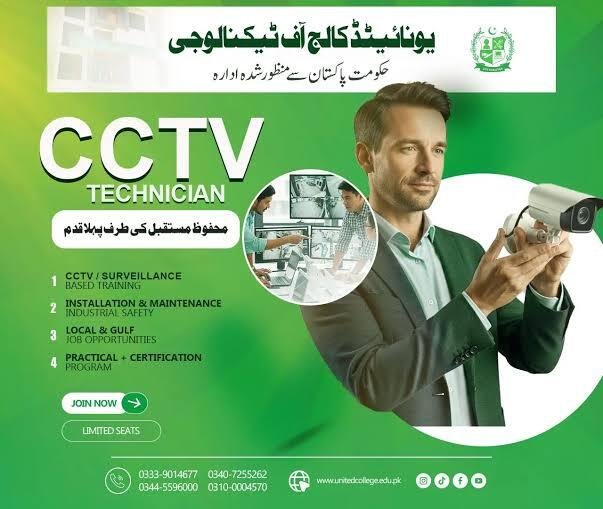
Learning CCTV systems involves more than understanding how cameras record video.
Learning CCTV systems involves more than understanding how cameras record video. Beginners also need practical skills for installing equipment, connecting cables, checking system settings, and solving common problems. Practical training gives learners a chance to understand these tasks through guided activities instead of relying only on theory.
For people interested in technical work, this type of learning can provide a useful foundation for working with modern security camera systems.
Learning Through Hands-On Practice
One of the main benefits of CCTV training is the opportunity to work with real equipment. Learners can practice connecting cameras, handling cables, setting up recording devices, and checking video feeds.
Hands-on activities help turn technical information into practical knowledge. Repeating these tasks can also make beginners more comfortable with equipment and tools.
Understanding CCTV Equipment
Before working on a system, learners need to know what its main components do. Training can introduce cameras, DVRs, NVRs, power supplies, connectors, network cables, and storage devices.
Understanding how these components work together makes it easier to identify the purpose of each connection during installation or troubleshooting.
Developing CCTV Installation Skills
Installation is an important part of technical CCTV work. Training can teach learners how to select suitable camera positions, route cables, mount cameras, and connect equipment correctly.
Good installation also requires attention to viewing angles and lighting conditions. By practicing these tasks, learners can develop CCTV Installation Skills that are useful for different types of security camera systems.
Building Basic Networking Knowledge
Many modern CCTV systems use IP cameras and computer networks. Because of this, basic networking knowledge has become an important technical skill.
A training program may introduce concepts such as IP addresses, Ethernet cables, routers, and network connections. Learners can then practice connecting network cameras and checking whether they communicate correctly with recording equipment.
Learning IP Camera Setup
IP camera configuration can involve several steps, including network settings and device configuration. Practical exercises allow learners to understand these steps in a controlled environment.
This knowledge can be particularly useful for someone preparing to work as a CCTV Technician, where network-related problems may be part of everyday troubleshooting.
Improving Troubleshooting Skills
Technical problems are common in surveillance systems. A camera may show no video, a recorder may stop recording, or a network connection may fail.
Training helps learners develop a logical approach to these issues. Instead of replacing equipment immediately, they can learn to check power, cables, connections, settings, and network conditions one step at a time.
Learning CCTV Maintenance
Practical training can also teach basic CCTV Maintenance. Learners may practice checking camera connections, cleaning lenses, inspecting cables, reviewing recording status, and identifying signs of equipment problems.
Regular maintenance helps keep surveillance systems reliable. It also teaches learners that technical work continues after the initial installation.
Understanding Recording and Storage
Another important practical area is learning how video is recorded and stored. Training can introduce DVR and NVR systems and show learners how to configure basic recording settings.
Learners can also practice searching recorded footage by date and time. These skills are useful when a surveillance system needs to provide specific video information.
Developing Safe Working Habits
Technical CCTV work may involve electrical connections, ladders, tools, cables, and equipment mounted at height. Practical training can help beginners understand the importance of working carefully and following basic safety procedures.
Good working habits can reduce avoidable mistakes and help learners approach installation tasks in a more organized way.
Preparing for Technical Work
A structured CCTV Camera Course can combine basic theory with practical exercises. This approach allows learners to understand why a task is performed while also learning how to complete it correctly.
Over time, repeated practice can improve accuracy, problem-solving, and confidence. These skills can support people who want to develop a CCTV Career or expand their technical abilities.
Turning Practice Into Useful Skills
Practical CCTV training is valuable because learners do not simply read about cameras and recording systems. They get opportunities to handle equipment, perform basic installations, test connections, and troubleshoot common issues.
With consistent practice, beginners can build a stronger understanding of Surveillance Systems and become better prepared for real technical tasks. The combination of knowledge, hands-on experience, and careful problem-solving can create a solid foundation for continued learning in CCTV technology.


