 WhatsApp Us Now

The cost of a single dental implant depends on several factors, including the implant brand, crown material, dentist’s experience, treatment complexity, and whether additional procedures are required. Some clinics provide complete treatment packages, while others charge separately for the implant fixture, abutment, crown, consultation, scans, and follow-up care. People considering زراعة الأسنان في دبي should request a personalised treatment plan after a dental examination and appropriate imaging. A complete quotation should clearly explain every stage of treatment and identify any possible additional procedures.
What Is Included In A Single Dental Implant?
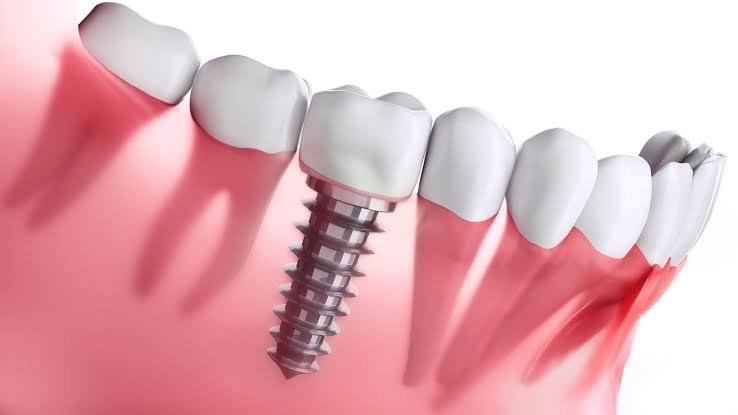
A dental implant usually consists of three main parts: the implant fixture, the abutment, and the dental crown.
The implant fixture is a small post placed into the jawbone and acts as an artificial tooth root. The abutment connects the implant fixture to the visible crown. The crown replaces the missing tooth above the gumline and is designed to match the surrounding teeth.
Patients should ask whether the proposed treatment includes all three components. They should also confirm whether the consultation, dental scans, implant placement, temporary restoration, final crown, and follow-up appointments are included in the treatment plan.
What Factors Affect The Cost Of A Single Dental Implant?
Several factors can influence the overall cost of replacing one missing tooth.
Implant Brand:
Dental implants are available from different manufacturers. Implant systems may vary in design, materials, research support, and compatibility with restorative components.
A premium implant brand is not automatically the best choice for every patient. The dentist should recommend an implant system according to bone quality, implant position, bite, medical history, and long-term treatment needs.
Crown Material
The crown is the visible part of the implant restoration, so its material can affect the treatment plan. Common options include zirconia, porcelain, lithium disilicate, and porcelain-fused-to-metal crowns.
Ceramic crowns are often selected for front teeth because they can be designed to resemble natural enamel. The most suitable material depends on the location of the missing tooth, bite pressure, aesthetic requirements, and condition of the surrounding teeth.
Dentist’s Experience:
Dental implant placement requires careful planning and surgical skill. A dentist with advanced implant training and experience with similar cases may be better prepared to manage complex treatment needs.
Patients should consider the dentist’s qualifications, experience, diagnostic process, communication, and follow-up care rather than focusing only on the advertised treatment fee.
Diagnostic Scans:
A dental examination and imaging are usually needed before implant placement. A three-dimensional CBCT scan may help the dentist assess bone volume, nearby nerves, sinus position, and the safest implant location.
The dentist may also use digital scans, photographs, and bite assessments to plan the final crown. These investigations help improve treatment accuracy and support a natural-looking result.
Can Bone Grafting Affect The Treatment Plan?
Bone grafting may be recommended when there is insufficient bone to support an implant. Bone loss can occur after a tooth has been missing for a long time, following infection, or because of gum disease.
A sinus lift may also be required for some upper back teeth when the sinus is close to the proposed implant site. These procedures may extend the treatment timeline and require additional appointments.
Not every patient needs bone grafting or a sinus lift. The need for additional procedures can usually be assessed through a clinical examination and dental imaging.
Does The Location Of The Missing Tooth Matter?
Yes. Replacing a front tooth may involve detailed aesthetic planning because the crown must match the colour, shape, and translucency of the surrounding teeth. The dentist may also need to consider gum thickness and the patient’s smile line.
Back teeth experience stronger chewing forces, so the implant and crown must be selected according to the patient’s bite and functional requirements. The location of the missing tooth can therefore affect the complexity of treatment.
Are Affordable Dental Implants Safe?
Affordable dental implants can be safe when the treatment is provided by a qualified dental professional using reliable materials, appropriate planning, sterile equipment, and suitable follow-up care.
Patients should be cautious of offers that do not explain the implant brand, crown material, treatment stages, or possible additional procedures. A lower fee should not mean that diagnostic scans, infection control, professional supervision, or aftercare are omitted.
Before treatment, ask for a written treatment plan and confirm whether it includes the implant fixture, abutment, crown, surgery, imaging, temporary restoration, and follow-up appointments.
How Can Patients Compare Dental Implant Providers?
When comparing providers, patients should look beyond the advertised treatment fee. Important questions include:
- Is the dentist qualified and experienced in implant dentistry?
- Is a complete dental examination included?
- Will three-dimensional imaging be required?
- Which implant brand will be used?
- What crown material is recommended?
- Is the abutment included?
- Is the final crown included?
- Are temporary teeth required?
- Could bone grafting or gum treatment be necessary?
- Are follow-up visits included?
- What happens if the implant requires additional treatment?
- Are the risks and alternatives explained clearly?
A transparent treatment plan helps patients understand the procedure and make an informed decision.
Does Dental Insurance Cover Implant Treatment?
Insurance coverage depends on the policy and the reason for treatment. Some dental insurance plans exclude implants or provide limited benefits. Other plans may offer partial coverage when tooth loss is related to an accident or a medically documented condition.
Patients should contact their insurance provider before treatment and ask about exclusions, annual limits, pre-approval requirements, and the documents needed for reimbursement. They should not assume that every part of implant treatment will be covered.
Why Is A Consultation Important?
A consultation helps determine whether a dental implant is appropriate for the patient. The dentist may review oral health, gum condition, bone volume, bite, medical history, medication use, and previous dental treatment.
Patients with untreated gum disease, uncontrolled diabetes, heavy smoking habits, or inadequate bone may need additional care before implant placement. Treating these concerns first can improve the environment around the implant and support better long-term outcomes.
A consultation also helps the dentist explain realistic expectations, possible risks, treatment stages, recovery requirements, and suitable alternatives.
Frequently Asked Questions:
Does every single dental implant treatment include the crown?
Not always. Some treatment plans include the implant fixture only, while others include the abutment and final crown. Patients should confirm the complete package before treatment.
Can bone grafting be necessary?
Yes. Bone grafting may be recommended when there is not enough healthy bone to support the implant securely.
Is zirconia a suitable crown material?
Zirconia may be suitable for many patients, particularly when strength and a natural appearance are important. The dentist should select the crown material according to the tooth’s location and bite.
Are affordable dental implants safe?
They can be safe when reliable materials, qualified professionals, appropriate planning, sterile equipment, and regular follow-up care are provided.
How can I understand the complete treatment plan?
Ask the dentist for a written explanation of the implant system, crown material, diagnostic scans, surgical steps, additional procedures, aftercare, and follow-up appointments.
Conclusion:
The cost of a single dental implant depends on the implant brand, crown material, dentist’s experience, diagnostic requirements, and any additional procedures needed. Patients should compare complete treatment plans rather than relying only on an advertised fee. A qualified dental professional can assess oral health, explain the available options, and recommend an implant solution that is safe, functional, natural-looking, and suitable for individual needs.


