 WhatsApp Us Now

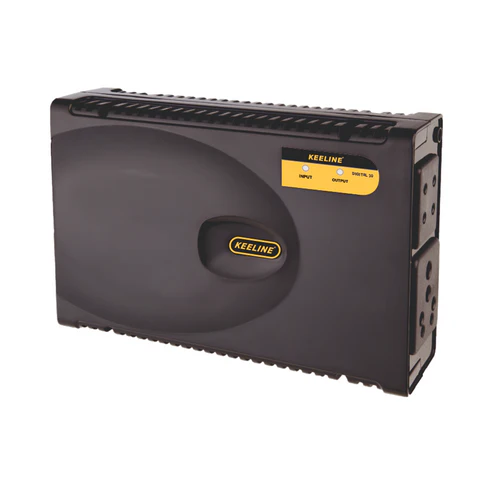
A Smart LED TV is a significant electronic investment, and protecting it from unstable voltage can help maintain reliable performance over time. Voltage fluctuations, sudden surges, low voltage, and power interruptions can affect sensitive electronic components inside modern televisions. This makes choosing the right stabilizer an important consideration, particularly in areas where the power supply is inconsistent.
When comparing stabilizers for LED TV, you should look beyond price alone. The stabilizer should be compatible with your television’s power requirements, provide suitable voltage protection, and offer features that match your home’s electrical conditions. A properly selected TV stabilizer can provide an additional layer of protection against common voltage-related problems.
Check Your Smart LED TV’s Power Requirement
The first step is to check the power consumption mentioned on your television’s specification label or user manual. Smart LED TVs generally consume different amounts of electricity depending on screen size, display technology, brightness settings, sound systems, and additional features.
A small 32-inch television will typically have different power requirements from a large 55-inch, 65-inch, or 75-inch model. Therefore, do not select a stabilizer simply because it is advertised as being suitable for LED TVs.
Check the voltage and wattage requirements specified by the TV manufacturer and choose a compatible stabilizer. If you are unsure, checking the television’s manual or product specifications can help you make a safer decision.
Understand the Voltage Conditions in Your Area
Your local power supply conditions should also influence your choice. Some homes experience frequent low-voltage conditions, while others may face sudden voltage increases or fluctuations when appliances switch on and off.
Before purchasing a stabilizer, consider what happens to your electricity supply during peak usage hours. If lights become noticeably dim or appliances behave differently when several devices are operating, your home may experience voltage fluctuations.
For households with frequent fluctuations, look for a TV stabilizer designed to handle a suitable input voltage range. A wider operating range can be particularly useful where voltage variation is common.
Look for Suitable Voltage Protection
One of the most important purposes of a TV stabilizer is to regulate unsuitable input voltage before supplying power to the connected television.
When comparing stabilizers for LED TV, check whether the model provides protection against common electrical issues such as low voltage, high voltage, and voltage fluctuations. Depending on the model, additional protection may also be available against surge conditions, overload, or short circuits.
The exact protection features vary between products, so read the technical specifications rather than assuming every stabilizer offers the same level of protection.
Choose a Stabilizer Designed for Television Use
A TV stabilizer should be designed around the requirements of television electronics. Smart TVs contain sensitive components such as display panels, power boards, processors, connectivity hardware, and other electronic circuits.
A dedicated TV stabilizer can offer features specifically intended for television applications. Some models may also include time-delay functionality, which can help prevent immediate power delivery after an interruption.
This can be useful in areas where electricity frequently goes off and comes back within a short period.
Consider the TV Screen Size
Screen size is another factor worth considering. Although screen size alone does not determine stabilizer compatibility, larger televisions can have different power requirements than smaller models.
For example, the stabilizer requirements for a 32-inch Smart LED TV may differ from those of a 65-inch television. Always compare the stabilizer’s supported load with the actual power requirement of your TV.
If you are purchasing a stabilizer for a newly purchased television, check both product specifications before making the final decision.
Check the Stabilizer’s Capacity
Capacity is an important specification when selecting a stabilizer. The stabilizer must be capable of handling the connected television’s electrical load without operating beyond its rated capacity.
Avoid choosing a model solely because it is inexpensive or compact. Compare the rated capacity with your television’s power consumption and follow the manufacturer’s recommendations.
If you plan to connect additional equipment through the same stabilizer, such as a set-top box, gaming console, streaming device, or sound system, check whether the stabilizer is designed to handle the combined load.
Consider Useful Safety Features
Modern TV stabilizers can include several features designed to improve protection and convenience. Depending on the model, these may include overload protection, thermal protection, surge protection, time delay, digital voltage display, and automatic voltage regulation.
A digital display can be useful because it allows you to monitor input or output voltage. Time-delay protection can also be beneficial after power interruptions.
However, more features do not automatically mean a stabilizer is better. Focus on features that address the actual electrical conditions in your home.
Choose a Reliable Brand and Check Warranty
Brand reliability is another important consideration when purchasing electrical protection equipment. Look for a manufacturer that provides clear product specifications, customer support, and a reasonable warranty.
Warranty coverage can be particularly important because it provides additional confidence when purchasing an electronic protection product. Before buying, check the warranty duration, service process, and conditions.
You should also purchase from an authorized seller or a trusted online store to reduce the risk of receiving an unsuitable or counterfeit product.
Is a Stabilizer Necessary for Every Smart LED TV?
Not every Smart LED TV necessarily requires an external stabilizer. Many modern televisions are designed to operate within a specified voltage range and may include internal power protection.
However, an external stabilizer can provide additional protection when the electrical supply in your area is unstable or frequently fluctuates. The decision should therefore depend on your TV’s specifications and the quality of your household power supply.
If your area regularly experiences low voltage, high voltage, frequent fluctuations, or repeated power interruptions, selecting an appropriate TV stabilizer can be a practical precaution.
Final Tips for Choosing the Right TV Stabilizer
Before purchasing, compare the TV’s voltage and power requirements with the stabilizer’s specifications. Check the supported input voltage range, capacity, protection features, and warranty.
Do not select a product only by TV screen size or price. A properly matched stabilizer should be capable of handling the television’s electrical requirements and the voltage conditions of your location.
For buyers comparing stabilizers for LED TV, focusing on compatibility, voltage regulation, protection features, capacity, brand reliability, and warranty can make the purchasing decision easier. The right choice can provide an additional layer of protection and help you operate your Smart LED TV with greater confidence.
FAQs
1. Do Smart LED TVs need a stabilizer?
A Smart LED TV may not always require an external stabilizer, particularly if the household has a stable power supply and the TV supports a wide input-voltage range. However, a stabilizer can be useful in areas experiencing frequent voltage fluctuations, low voltage, or sudden power variations.
2. How do I choose a stabilizer for my LED TV?
Check your TV’s voltage and power requirements first. Then compare them with the stabilizer’s supported load and input-voltage range. Also consider features such as automatic voltage regulation, overload protection, surge protection, and time delay.
3. Are stabilizers for LED TV different from regular stabilizers?
TV stabilizers are generally designed specifically for television equipment and may include features such as time-delay protection and suitable voltage regulation. Always check the manufacturer’s specifications to confirm compatibility with your particular TV.
4. Can a TV stabilizer protect against high and low voltage?
A suitable stabilizer can regulate voltage within its specified operating range and may provide protection against high- and low-voltage conditions. However, its actual protection range depends on the specific model, so check the technical specifications before buying.
5. Is a stabilizer required for a 32-inch Smart LED TV?
A 32-inch Smart LED TV may not require an external stabilizer if the electricity supply is stable and the TV’s internal power system supports the local voltage conditions. In areas with frequent fluctuations, an appropriately rated stabilizer can provide additional protection.
6. Can I connect a set-top box to the same TV stabilizer?
It depends on the stabilizer’s rated capacity and output configuration. If you want to connect a set-top box or another device, make sure the combined electrical load remains within the stabilizer’s recommended capacity.
7. What features should I look for in a TV stabilizer?
Look for suitable input-voltage range, adequate capacity, automatic voltage regulation, overload protection, surge protection, and time-delay functionality where appropriate. A digital voltage display can also be useful for monitoring voltage conditions.
8. Does a TV stabilizer save electricity?
The primary purpose of a stabilizer is voltage regulation and equipment protection, not electricity savings. It should be selected primarily for compatibility and protection rather than as an energy-saving device.


