 WhatsApp Us Now
Dupuytren’s contracture can gradually affect the way the hand moves, especially when the fingers become difficult to straighten. For many people, the condition develops slowly, which can make everyday activities such as opening jars, shaking hands, typing, or placing the hand flat on a surface more challenging. Alongside professional medical guidance, some people explore natural remedies for Dupuytren’s contracture as part of a gentle hand-care routine.
Natural approaches should not be viewed as a cure or a replacement for diagnosis and treatment from a qualified healthcare professional. However, simple self-care habits may help support hand comfort, flexibility, and everyday function.
What Is Dupuytren’s Contracture?
Dupuytren’s contracture is a condition involving the connective tissue beneath the skin of the palm. Over time, the tissue can become thicker and form cords or nodules. These changes may gradually pull one or more fingers toward the palm.
The ring and little fingers are commonly affected, although other fingers can also be involved. The progression varies from person to person. Some people experience only small changes, while others develop more noticeable limitations in finger movement.
Because Dupuytren’s contracture can progress differently for everyone, it is important to understand your individual condition before starting any home-care routine.
Can Natural Remedies Support Hand Care?
When people search for natural remedies for Dupuytren’s contracture, they are often looking for gentle ways to care for their hands at home. While natural remedies cannot be relied upon to reverse established tissue changes, certain supportive habits may help maintain general hand mobility and comfort.
Gentle Hand Stretching
Gentle stretching can be incorporated into a daily hand-care routine when it is comfortable to do so. Simple movements may include slowly opening and closing the hand, extending the fingers as far as comfortably possible, and gently stretching the palm.
The goal should be controlled movement rather than force. If a particular stretch causes significant discomfort, it is better to stop and discuss appropriate exercises with a healthcare professional or hand therapist.
Warmth and Relaxation
Some people find that gentle warmth helps their hands feel more comfortable before stretching or mobility exercises. A warm towel or comfortably warm water may help the hand feel relaxed before movement.
Heat should always be used carefully. Avoid temperatures that could burn or irritate the skin, especially if you have reduced sensation in your hands.
Massage as Part of a Hand-Care Routine
Gentle massage is another approach people may consider when developing a personal hand-care routine. Light massage around the palm and surrounding areas can feel soothing and may help make routine hand movements more comfortable.
However, massage should not involve aggressive pressure over lumps, cords, or sensitive areas. Dupuytren’s contracture involves changes beneath the skin, so forceful manipulation is not necessarily better.
Castor Oil and Natural Skin Care
Castor oil is sometimes discussed online among natural remedies for Dupuytren’s contracture. People may apply it to the skin because of its moisturizing properties and use it alongside gentle massage.
There is limited evidence that applying castor oil directly to the skin can change the underlying tissue changes associated with Dupuytren’s contracture. Therefore, it is more appropriate to consider it as part of general skin and hand care rather than as a proven treatment for the condition.
If you have sensitive skin, test a small amount first and discontinue use if irritation develops.
Maintaining Everyday Hand Movement
One of the simplest ways to support hand care is to keep the fingers moving within a comfortable range. Everyday activities such as gently handling soft objects, moving the fingers individually, or performing light hand exercises can help keep movement part of your routine.
Consistency may be more practical than occasionally performing an intense routine. A few gentle movements incorporated into the day can be easier to maintain over time.
If your fingers are becoming increasingly difficult to straighten, however, home exercises should not delay professional evaluation.
Where Can Dupuytren’s Wand Fit Into a Home Routine?
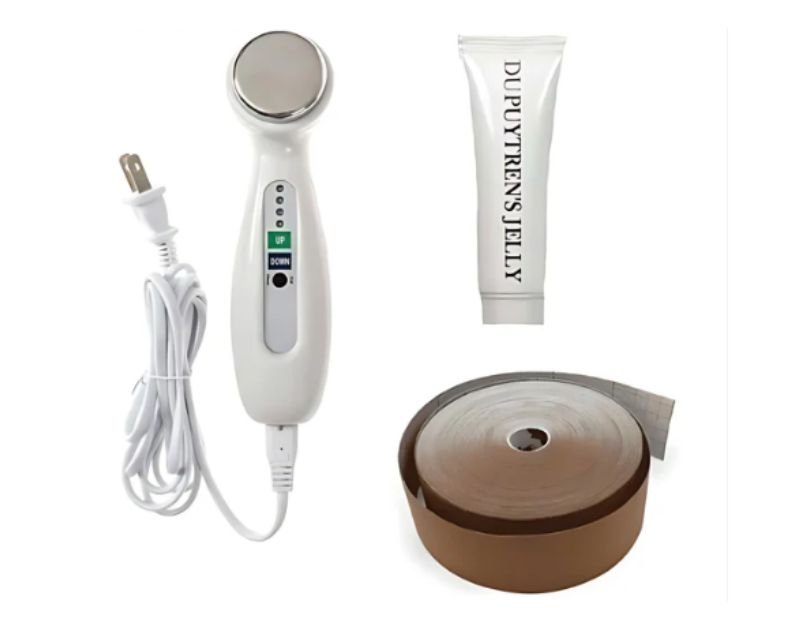
Some people also explore supportive hand-care tools designed for at-home routines. Dupuytren’s Wand is one example of a product marketed for gentle hand-care and stretching routines.
When using any hand-care tool, follow the product instructions and avoid excessive pressure. A supportive routine should focus on comfortable movement rather than trying to force a finger into a straight position.
People considering a new tool may also want to discuss their routine with a healthcare professional, particularly if they have significant finger restriction or are already receiving treatment.
When Should You Speak With a Professional?
Natural self-care can be part of everyday hand maintenance, but it should not replace professional assessment. Consider speaking with a doctor or hand specialist if you notice increasing difficulty straightening a finger, changes in hand function, persistent discomfort, or difficulty performing normal activities.
A professional can assess the severity of the condition and explain appropriate options, which may include observation, therapy, injections, needle procedures, or surgery depending on the individual situation.
Frequently Asked Questions
1. What are natural remedies for Dupuytren’s contracture?
Natural remedies for Dupuytren’s contracture may include gentle stretching, comfortable hand exercises, warmth, massage, and general hand-care practices. These approaches may support mobility and comfort but should not be considered proven methods for reversing Dupuytren’s contracture.
2. Can stretching help with Dupuytren’s contracture?
Gentle stretching may help maintain comfortable finger movement. It should be performed without forcing the affected fingers or causing significant discomfort. A hand therapist can recommend exercises appropriate for your condition.
3. Is castor oil good for Dupuytren’s contracture?
Castor oil can moisturize the skin and may be included in a gentle hand-care routine. However, there is not strong clinical evidence that topical castor oil changes the underlying tissue changes associated with Dupuytren’s contracture.
4. Can I manage Dupuytren’s contracture completely at home?
Some people use home-care strategies to support everyday hand mobility, but Dupuytren’s contracture can progress and may require professional evaluation. Home care should complement, rather than replace, appropriate medical advice.
5. Is massage safe for Dupuytren’s contracture?
Gentle massage may be comfortable for some people, but aggressive pressure should be avoided. If massage causes discomfort or irritation, stop and seek professional guidance.


