 WhatsApp Us Now
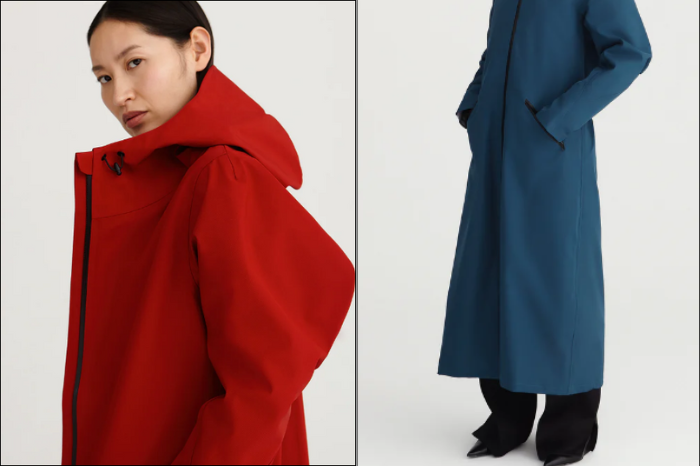
Rain can change your plans quickly. A short walk to work, a cycling trip across town, or an outdoor weekend activity can become uncomfortable when you are not prepared for wet conditions. This is why reliable rainwear has become an important part of many modern wardrobes.
A good outer layer should do more than simply block water. Comfort, breathability, fit, durability, and ease of movement all influence how useful a coat will be in everyday situations. Modern designs also make it possible to combine weather protection with a polished appearance, allowing rainwear to become part of an outfit rather than something worn only when necessary.
Rainproof Coat for Everyday Weather Protection
A rainproof coat is designed to protect from wet conditions while helping you stay comfortable outdoors. The term generally refers to outerwear made with materials or treatments that resist water and prevent rain from easily reaching the clothing underneath.
For everyday use, the level of protection you need depends on your routine. Someone who walks short distances may need different features from someone who cycles to work every day. Looking at the construction, coverage, and fabric specifications can help you choose a coat that matches your needs.
A useful design should also allow enough room for natural movement and additional layers.
What Makes a Coat Rainproof?
Several elements can contribute to effective rain protection. The outer fabric is important, but seams, closures, cuffs, and the hood also play a role.
Waterproof or highly water-resistant materials can reduce the amount of moisture that reaches the inner layers. Sealed or carefully constructed seams can help prevent water from entering through stitching points.
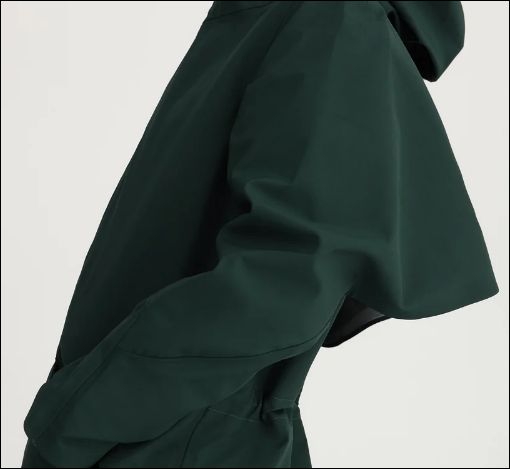
Zippers are another detail worth considering. A protective flap or water-resistant zipper can provide an additional barrier against rain. Adjustable cuffs can help stop water from entering around the wrists, while a well-designed hood can protect the head and neck.
When shopping for rainwear, checking these details can help you understand how the garment is designed to perform.
Why Breathability Matters
A coat can keep external rain out but still feel uncomfortable if moisture from inside cannot escape. This is particularly noticeable when walking quickly, cycling, or participating in outdoor activities.
Breathable fabrics allow some moisture vapour to move away from the body while maintaining protection from rain. This can help reduce the clammy feeling that sometimes occurs inside waterproof clothing.
For active users, finding the right balance between water protection and breathability can make a significant difference. A comfortable coat is more likely to be worn regularly rather than kept in the wardrobe only for heavy storms.
Choosing the Right Length and Fit
The ideal coat length depends on how you plan to use it. Longer styles can provide greater coverage for the legs and lower body, which can be useful during prolonged rainfall.
Shorter designs may offer greater freedom of movement and can be convenient for cycling or other active routines.
Fit is equally important. A coat should not feel restrictive around the shoulders or arms. At the same time, an excessively loose design may be difficult to manage in windy weather.
Consider the clothing you normally wear underneath. If you need space for sweaters or other layers, choose a fit that allows comfortable layering.
Rainproof Coats for Commuting and Cycling
For commuters, rainwear needs to fit naturally into a busy routine. A versatile coat can be worn over everyday clothing and removed when you reach your destination.
Cyclists may benefit from additional features such as adjustable hoods, flexible materials, secure closures, reflective details, and extended coverage.
A lightweight construction can also be useful because it makes the coat easier to carry when the weather improves.
For people who use multiple forms of transport, versatility is especially valuable. One well-designed outer layer can work for cycling, walking, public transport, and casual activities.
Style Does Not Have to Be Sacrificed
Rainwear has evolved considerably. Modern coats are available in clean silhouettes and versatile colours that can complement different wardrobes.
A neutral coat can be paired with jeans, trousers, dresses, skirts, or casual layers. Minimalist designs can create a polished appearance without compromising practical performance.
This makes it easier to wear rainwear throughout transitional seasons rather than treating it as emergency clothing.
For a more coordinated look, consider how the coat works with your shoes, bags, and other accessories.
Sustainability and Long-Term Value
When purchasing outerwear, it is worth considering how long the garment is likely to remain useful. Durable construction and versatile styling can encourage longer use and reduce the need for frequent replacement.
Material choices can also matter. Some rainwear uses recycled fibres or other considered materials. However, sustainability is broader than the fabric alone. Product longevity, manufacturing practices, repairability, and proper care can all contribute to a more responsible approach to clothing.
BYBROWN combines contemporary design with technical weather protection and considered materials for people looking for functional urban rainwear.
How to Maintain Your Rainwear
Proper care can help preserve a coat’s protective properties. Always follow the manufacturer’s washing instructions because technical fabrics can require specific care.
Avoid unsuitable detergents or fabric softeners if they can affect the fabric’s finish. After wearing the coat in heavy rain, allow it to dry completely before storing it.
Regularly inspect the seams, zippers, cuffs, and hood for signs of wear. Small maintenance issues are generally easier to address before they become larger problems.
Making the Right Purchase
Before buying, consider your typical weather conditions and daily activities. Think about whether you need a coat primarily for commuting, cycling, travel, walking, or occasional outdoor use.
Compare waterproofing, breathability, weight, length, fit, and practical features. Also consider whether the style works with clothing you already own.
A versatile raincoat that performs well in different situations can become one of the most useful pieces in your wardrobe.
Conclusion
A rainproof coat can provide valuable protection when unpredictable weather becomes part of everyday life. By considering waterproofing, breathability, fit, coverage, durability, and practical features, you can find an outer layer that works for commuting, cycling, travel, and leisure. BYBROWN demonstrates how modern rainwear can combine functional protection with contemporary styling and considered materials.
Frequently Asked Questions
1. What should I look for in a rainproof coat?
Look for effective water protection, breathable fabric, suitable coverage, comfortable fit, reliable zippers, a practical hood, and durable construction.
2. Is a rainproof coat suitable for cycling?
Yes. Choose a design that provides freedom of movement, comfortable coverage, and breathable materials for active use.
3. What is the difference between water-resistant and waterproof?
Water-resistant materials can handle some moisture, while waterproof construction is designed to provide stronger protection against sustained rainfall.
4. Should I choose a long or short rainproof coat?
Long coats generally provide more coverage, while shorter styles can offer greater mobility. Your activities and preferred level of protection should guide the choice.
5. Can a rainproof coat be worn in different seasons?
Yes. A versatile coat can be used across several seasons, with additional layers underneath during colder weather.
6. How can I make my rainproof coat last longer?
Follow the manufacturer’s care instructions, wash it correctly, allow it to dry thoroughly, and store it properly when not in use.


