 WhatsApp Us Now
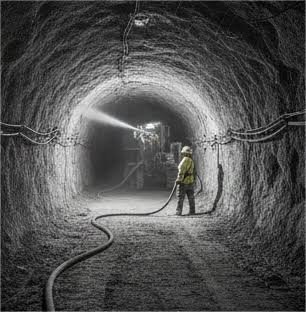
Concrete structures are designed to withstand heavy loads and demanding environmental conditions, but deterioration can develop over time due to moisture, reinforcement corrosion, cracks, spalling, and continuous exposure. When conventional repair methods are difficult or unsuitable, guniting services provide an effective solution for restoring damaged surfaces and improving structural performance. This advanced repair method is widely used across buildings, industrial facilities, and infrastructure projects in India.
What Is Guniting and How Does It Work?
Guniting is a specialised concrete application technique in which cementitious mortar or concrete is pneumatically projected at high velocity onto a properly prepared surface. The impact helps create a dense and strongly bonded layer, making the method suitable for structural repair and rehabilitation. Guniting can be effectively applied to vertical, horizontal, curved, and overhead surfaces where conventional concrete placement may be challenging. The process requires specialised equipment, proper material selection, and skilled application to achieve the required thickness and performance. Depending on the project requirements, the damaged concrete is first removed, the reinforcement is treated where necessary, and the surface is prepared before application. Proper execution helps restore deteriorated areas while improving the overall durability and protective performance of the repaired structure.
Why Are Guniting Services Important for Damaged Concrete?
Concrete deterioration should not be ignored because visible damage may continue to develop beneath the surface. Cracks, spalling, exposed reinforcement, and moisture ingress can gradually affect the condition of structural members. Professional guniting contractors use sprayed concrete techniques to repair affected areas efficiently, particularly where access restrictions or complicated surface geometry make conventional repair methods difficult to execute effectively.
Guniting provides a practical method for applying repair material directly onto prepared surfaces without extensive formwork. This makes it useful for beams, columns, slabs, walls, and other structural components requiring rehabilitation. The high-velocity application helps achieve strong adhesion and compaction, supporting the development of a dense repair layer when the work is designed and executed correctly.
Common Signs That a Structure May Need Guniting Work
Several visible conditions can indicate that concrete repair or structural rehabilitation should be evaluated. Spalled concrete, cracks, rust stains, exposed reinforcement, and surface deterioration may develop due to environmental exposure, corrosion, or long-term service conditions. Water seepage can also accelerate deterioration by allowing moisture to reach reinforcement and other vulnerable areas within the concrete structure. A professional engineering assessment is important before selecting guniting work contractors for a project. Not every damaged surface requires the same repair technique, and the underlying cause of deterioration must be identified. Factors such as the extent of concrete damage, reinforcement condition, structural requirements, exposure environment, and future service conditions should be considered before developing an appropriate repair methodology.
Applications of Guniting in Construction
Guniting is widely used across different areas of construction because of its flexibility and ability to cover complex surfaces. The technique can support concrete repair, structural strengthening, protective applications, and rehabilitation work. It is particularly useful where rapid application is required or where conventional shuttering and concrete placement would create practical difficulties during project execution.
One major application involves the repair of damaged RCC members such as beams, columns, slabs, and walls. Guniting can be used after proper removal of unsound concrete and preparation of the repair area. The applied material helps restore the damaged section according to the repair design while providing a dense protective layer over the treated surface.
Guniting for Structural Repair and Strengthening
Structural members can lose performance over time because of deterioration, environmental exposure, corrosion, or changes in operational requirements. In suitable situations, guniting can form part of a broader structural repair strategy. The method is especially valuable for restoring damaged concrete sections where conventional casting methods may require significant formwork and extended project execution time.
Professional guniting services in India are commonly considered for industrial buildings, commercial structures, and infrastructure requiring concrete rehabilitation. However, the technique should be selected based on engineering requirements rather than simply because it offers faster application. Proper structural assessment ensures that the repair material, thickness, surface preparation, and application method are suitable for the specific condition of the structure.
How Guniting Contractors Prepare the Surface
Surface preparation is one of the most important stages of successful guniting work. Loose, weak, contaminated, or deteriorated concrete must generally be removed before applying the repair material. The prepared substrate should provide an appropriate surface for bonding, while damaged reinforcement may require cleaning and treatment according to the repair specification and project requirements.
The surrounding concrete condition must also be examined to ensure that deterioration has not extended beyond the visibly damaged area. Proper preparation can help reduce the risk of poor bonding and premature repair failure. Experienced guniting contractors understand that the quality of the finished application depends not only on spraying equipment but also on careful preparation and technical supervision before the application begins.
Understanding the Guniting Application Process
The application process begins after the repair surface has been inspected and prepared. Materials are selected according to the project requirements, and specialised equipment is used to convey and project the mixture onto the surface. The operator controls the nozzle and application angle to achieve appropriate coverage, compaction, and thickness across the repair area.
During application, factors such as spraying distance, nozzle movement, material consistency, and layer thickness require careful control. The process must be monitored to achieve a uniform and properly bonded repair layer. After application, finishing, curing, and quality checks are performed according to the requirements of the project and the selected repair system.
Guniting and Shotcreting: Understanding the Difference
The terms guniting and shotcreting are often used together because both involve pneumatically applied concrete or mortar. Traditionally, guniting is associated with the dry-mix process, where dry materials are conveyed through equipment and water is introduced during application. Shotcreting can include wet-mix or dry-mix application depending on the selected method and project requirements.
Both methods can be used for concrete repair, structural strengthening, tunnels, retaining walls, and infrastructure rehabilitation. The appropriate technique depends on several factors, including project scale, material requirements, site access, application conditions, and desired performance. A technical evaluation helps determine which sprayed concrete method is more suitable for achieving reliable results on a particular project.
Benefits of Professional Guniting Services
One of the major advantages of guniting is its ability to apply repair material efficiently to difficult surfaces. Vertical and overhead locations can be challenging when using conventional concrete placement methods. Guniting reduces the dependence on extensive formwork and allows material to be applied directly onto properly prepared surfaces, making it useful for complicated structural geometries.
The process can also support faster execution for suitable repair projects, which can be important in industrial facilities and operational structures. When correctly designed and applied, sprayed concrete provides strong bonding, dense compaction, and durable surface protection. These characteristics make concrete repair services based on guniting valuable for structures that require effective rehabilitation with controlled project downtime.
Where Are Guniting Services Commonly Used?
Guniting has applications across residential, commercial, industrial, and infrastructure sectors. Damaged concrete members in buildings can be repaired using sprayed concrete methods where the repair design identifies guniting as an appropriate solution. Industrial plants and factories may also use the technique for rehabilitation work because certain structures require efficient repair with minimal disruption to operations.
Infrastructure applications include bridges, tunnels, retaining walls, underground structures, and other facilities exposed to demanding environmental conditions. Guniting can also be useful for slope protection and stabilisation applications. Its ability to create a dense, strongly bonded concrete layer makes the technique suitable for projects involving complex surfaces and locations where traditional concrete placement is less practical.
Guniting for Industrial Structures
Industrial structures often operate in demanding environments involving vibration, moisture, chemicals, temperature changes, and continuous operational loads. These conditions can contribute to concrete deterioration and reinforcement corrosion over time. Timely concrete rehabilitation becomes important to prevent minor damage from developing into more extensive structural problems that may affect operations and maintenance requirements.
Guniting can be particularly useful for industrial concrete repair because it supports efficient application on large or difficult surfaces. Cooling towers, industrial buildings, process structures, retaining walls, and other concrete assets may require specialised rehabilitation approaches. The repair methodology should always consider the operating environment and the specific cause of deterioration before execution begins.
Why Choosing Experienced Guniting Work Contractors Matters
The performance of a guniting repair depends significantly on the quality of execution. Even suitable repair materials may not provide the expected results if surface preparation, equipment operation, thickness control, or curing procedures are poorly managed. Therefore, selecting experienced guniting work contractors is important for projects involving structural or long-term durability requirements.
Qualified contractors should understand the relationship between structural condition, repair design, material selection, and application techniques. They should also have access to appropriate equipment and trained personnel capable of working under site-specific conditions. Technical supervision and quality control help ensure that the completed repair aligns with the intended engineering requirements and project performance expectations.
Quality Control During Guniting Work
Quality control should continue throughout every stage of the project rather than being considered only after completion. The condition of the existing substrate, preparation quality, material properties, application thickness, and curing procedures can all influence the final performance of the repair. Regular inspection helps identify potential issues before they affect larger sections of completed work.
Testing and inspection requirements may vary depending on the project and the structural importance of the repaired area. Contractors may evaluate bonding, thickness, material performance, and application quality according to the approved repair methodology. Proper documentation and technical monitoring provide greater confidence that the guniting services are being executed consistently and according to project requirements.
How to Select the Right Guniting Contractors in India
When searching for guniting contractors in India, experience should be evaluated alongside technical capability. Clients should look for contractors who understand concrete deterioration and can participate in developing or following an appropriate repair methodology. The ability to assess site conditions and manage specialised application equipment is important for achieving reliable and durable results.
It is also useful to review the contractor’s experience with similar structures and applications. Industrial concrete repair, building rehabilitation, tunnel work, and retaining wall applications may involve different challenges. Choosing a contractor with relevant expertise helps ensure that the selected guniting process, materials, and execution approach are suitable for the actual requirements of the project.
Factors That Affect the Success of Guniting Repairs
Several technical factors influence the long-term performance of sprayed concrete repairs. Surface cleanliness and preparation are essential because the new material must bond effectively with the existing substrate. Material quality, mix design, application technique, and curing procedures must also be controlled to achieve the required strength and durability.
Environmental conditions can also affect the execution process. Temperature, moisture, wind exposure, and site accessibility may influence material handling and application quality. Experienced guniting services providers plan the work around these conditions and implement appropriate controls. A well-executed repair considers both immediate structural requirements and the future environmental exposure of the completed structure.
When Should You Consider Guniting Services?
Guniting should be considered when a structural assessment identifies damaged concrete that requires restoration and when sprayed concrete is technically suitable for the repair. It can be beneficial for spalled surfaces, deteriorated RCC members, difficult-to-access areas, vertical surfaces, and projects requiring efficient application without extensive conventional formwork.
However, guniting should not be treated as a universal solution for every concrete problem. Structural cracks, foundation movement, severe reinforcement deterioration, and other underlying issues may require additional repair or strengthening measures. Understanding the root cause of damage is essential before selecting the repair method and beginning work on the affected structure.
The Role of Engineering Assessment Before Guniting
A detailed assessment helps determine whether guniting alone is sufficient or whether additional structural strengthening is necessary. Engineers can examine the extent of deterioration, identify possible causes, and evaluate the condition of reinforcement and surrounding concrete. This information helps establish an appropriate repair scope rather than applying material only to visible damage.
An engineering-led approach also helps determine the required repair thickness and material properties. Different structures have different operational demands, and the repair system must be compatible with those conditions. Proper assessment improves decision-making and supports a more reliable approach to concrete rehabilitation and long-term structural maintenance.
Professional for Expert Guniting Services
For projects involving damaged RCC members, industrial structures, or large-scale concrete rehabilitation, choosing an experienced engineering team can make a significant difference in execution quality. A proper assessment, suitable repair methodology, skilled application, and consistent quality control should work together to achieve long-lasting structural performance throughout the repair process.
When professional expertise is required, Gubbi Civil Engineers Limited can be considered for specialised concrete repair and structural rehabilitation requirements, with technical solutions selected according to site conditions and project needs. Working with experienced professionals helps ensure that guniting is applied as part of a properly planned repair strategy focused on durability, safety, and long-term structural performance. Guniting is an effective technique for repairing and rehabilitating suitable concrete structures across India. Its ability to apply concrete or mortar at high velocity makes it valuable for damaged RCC members, industrial structures, infrastructure, tunnels, retaining walls, and difficult-to-access surfaces. Proper application can help create a dense and durable repair layer with strong bonding.
The success of any guniting project depends on more than the spraying process itself. Engineering assessment, surface preparation, material selection, skilled operators, quality control, and curing all play essential roles. By choosing experienced guniting contractors, property owners and infrastructure managers can take a more reliable approach to concrete repair, structural rehabilitation, and extending the service life of valuable structures.


