 WhatsApp Us Now

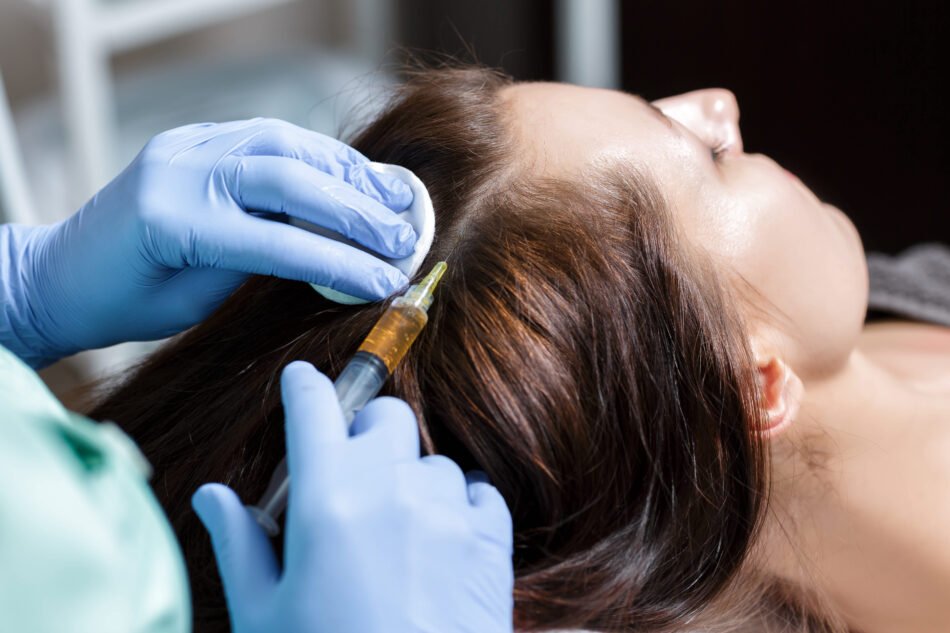
Hair thinning and increased hair shedding are common concerns among adults, affecting confidence, personal appearance, and everyday comfort. Many people explore different approaches to maintain fuller-looking hair and support scalp health as they age. Among these options, PRP Hair Treatment in Dubai has attracted attention from individuals interested in addressing certain types of hair loss. Understanding its potential role, suitability, and relationship with overall hair health can help adults make informed decisions about their hair care needs.
Understanding Hair Growth Concerns in Adults
Hair growth patterns can change throughout adulthood due to genetics, hormonal fluctuations, nutritional deficiencies, stress, and underlying health conditions. Some adults notice gradual thinning around the crown, while others experience a widening part or reduced density along the hairline.
Recognizing the nature of hair loss is important because different causes require different approaches. Hair thinning may develop gradually or appear more suddenly, depending on the contributing factors.
Can PRP Support Hair Growth in Adults?
PRP may support hair growth in some adults experiencing particular forms of hair thinning. Research has explored its potential to improve hair density and support existing follicles, especially in people with androgenetic alopecia, commonly known as pattern hair loss.
Adults considering this option should maintain realistic expectations and understand that the underlying cause of hair loss remains a key factor in determining suitability.
Which Adults May Consider PRP?
PRP is generally discussed as an option for adults experiencing certain types of non-scarring hair loss. People who may wish to explore professional guidance include those experiencing:
- Gradual thinning associated with hereditary pattern hair loss.
- Reduced hair density across particular areas of the scalp.
- Early changes in hair fullness that warrant professional assessment.
- Persistent concerns about hair shedding after other possible causes have been considered.
The Importance of Identifying the Cause of Hair Loss
Hair thinning is a symptom rather than a single condition. Before considering a hair restoration option, adults benefit from understanding what may be contributing to their concerns.
Addressing an underlying issue may be more appropriate than focusing exclusively on scalp-based treatments. For this reason, professional assessment can help distinguish between hereditary thinning, temporary shedding, and conditions that require specific medical attention.
How Scalp Health Relates to Hair Density
A healthy scalp provides an important environment for maintaining existing hair. Inflammation, irritation, certain skin disorders, and persistent scalp discomfort can affect hair quality or contribute to shedding.
It is also important to distinguish hair breakage from hair loss. Breakage affects the hair shaft, whereas follicular hair loss involves changes in the growth cycle or the follicles themselves. These concerns may require different forms of assessment and care.
Nutrition and Everyday Hair Care
Nutritional balance plays a role in maintaining normal hair growth. Insufficient intake of certain nutrients, including iron and protein, may contribute to hair loss in susceptible individuals. Adults may benefit from including:
- Protein-rich foods such as eggs, legumes, fish, and dairy products.
- Iron-containing foods such as beans, leafy greens, and lean meats.
- A variety of fruits and vegetables to support overall nutritional balance.
PRP and Other Hair Loss Management Options
PRP is one of several approaches considered for hair thinning. Depending on the diagnosis, other options may include established medical treatments, management of nutritional deficiencies, or treatment of underlying scalp disorders.
These approaches are not interchangeable, and combining treatments should involve appropriate professional guidance. A well-informed decision considers the cause of hair loss, medical history, personal preferences, and the quality of evidence supporting each option.
Setting Realistic Expectations About Hair Restoration
Hair restoration requires a balanced understanding of what different options may offer. PRP may help selected adults, but it cannot guarantee increased density or reverse every form of hair loss.
Adults should also remember that natural hair density varies with age, genetics, and individual characteristics. The goal of informed hair care is to address relevant concerns while avoiding unsupported promises or assumptions about universal effectiveness.
Final Thoughts
PRP hair treatment may support hair growth in some adults, particularly those experiencing certain forms of pattern hair loss with existing follicles. Nevertheless, its suitability and potential benefits depend on the cause and extent of thinning, scalp health, and individual medical circumstances. Identifying underlying causes, maintaining balanced nutrition, and exploring evidence-based options can all contribute to a more informed approach.


