 WhatsApp Us Now

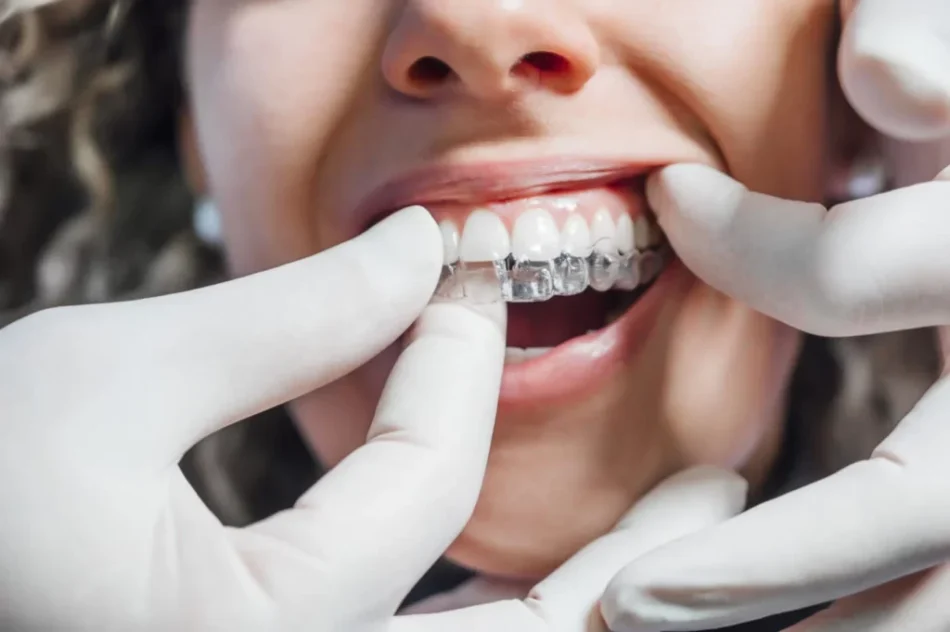
A smile treatment should work alongside the routines that make up daily life. Removable aligners offer a flexible way to straighten teeth because they can be taken out for meals, brushing, and certain occasions. For people exploring invisible aligners in Singapore, understanding how trays fit into work, study, social plans, and oral care can make it easier to decide whether this approach suits their needs.
Understanding How Removable Aligners Work
Removable aligners are a series of clear, custom-made trays designed to move teeth gradually. Each set is shaped to apply gentle, planned pressure to particular teeth. Patients wear the trays according to their orthodontist’s instructions and change to the next set at the recommended stage. Over time, this sequence helps guide teeth towards the positions outlined in the treatment plan. The number of trays and the length of each stage vary according to the movements required. Some patients may also need tooth-coloured attachments or other refinements to help specific movements. The orthodontist explains these details during planning, so patients know what their appliance may involve.
Unlike fixed braces, aligners can be removed for meals and oral care. This flexibility also places responsibility on the wearer: leaving trays out longer than advised may affect their fit and treatment progress. Patients comparing invisible aligners in Singapore options should discuss suitability with an orthodontist.
Building Aligner Wear Into Your Daily Routine
A predictable routine makes aligner treatment easier to manage. Build tray wear into familiar habits, such as brushing and preparing to leave home. Follow the orthodontist’s wear schedule rather than relying on memory. Many treatment plans require aligners to be worn for most of the day, with breaks mainly for eating, drinking, and cleaning. The exact schedule should come from the treating professional, as reducing wear time without advice can affect the fit of later trays. Discuss routine changes with your orthodontist before adjusting wear.
A few practical habits can help keep the process organized:
- Remove aligners before meals and snacks.
- Drink plain water while wearing the trays.
- Brush and floss before putting aligners back in.
- Keep the storage case with you when away from home.
- Follow the prescribed schedule for changing trays.
These habits support oral hygiene and reduce interruptions. It may also help to check that the correct upper and lower trays are being used and that they are fully seated over the teeth. If a tray feels unusually uncomfortable or does not fit, contact the clinic rather than forcing it into place.
Eating, Drinking, and Socializing With Confidence
Aligners need to be removed before eating, allowing patients to enjoy usual meals without food catching around brackets or wires. Frequent snacking, however, can make treatment less convenient because teeth should be cleaned before trays are replaced.
Plain water is suitable while wearing aligners. Hot, sweet, or coloured drinks may stain or damage trays, so remove them for drinks other than water and follow the clinic’s advice.
For social events, carry the case and allow time to clean your teeth before replacing trays. If you are attending a long event, think ahead about meal times and access to a washroom. Avoid wrapping aligners in tissues, as they can be misplaced or thrown away. A little preparation helps you enjoy the occasion without overlooking your treatment routine.
Managing Work, Study, and Travel
Aligner treatment can fit around busy schedules with some planning. At work, in class, or while traveling, keep trays clean and wear them for the recommended period. A teeth aligner routine should remain practical even when schedules change.
-
During Office Hours
Keep the case and a travel-sized toothbrush in your work bag. After lunch, brush and floss before replacing trays. If brushing is not immediately possible, rinse with water and clean your teeth as soon as practical.
-
While Attending Classes
Plan meals and cleaning around lessons or breaks. Keep the case secure instead of leaving aligners loose on a desk. A reminder may help while the routine is new.
-
On Longer Journeys
Pack your current trays, case, cleaning supplies, and any next sets recommended by the orthodontist. Keep them in hand luggage. For time-zone changes, ask the clinic how to maintain your wear schedule.
-
During Exercise
Most everyday exercise can continue. For contact sports, ask whether trays should be removed and a suitable mouthguard used; aligners are not a substitute for sports protection.
-
When Your Schedule Changes
Busy plans can tempt you to leave trays out longer. Return to the routine promptly, and seek advice if you miss substantial wear time or a tray no longer fits.
Keeping Aligners Clean and Comfortable
Clean aligners regularly using the method recommended by the orthodontist. Avoid hot water, which may distort them, and abrasive products that can scratch their surface. Store trays in their case whenever they are not being worn.
Brush carefully, clean between teeth, and attend reviews as advised. Replacing trays over unclean teeth can trap food and plaque. Ask the clinic about persistent soreness, irritation, or damage.
Understanding the Commitment Behind Flexible Treatment
Removable aligners are convenient, but treatment depends on following instructions. Understand daily wear time, when to change trays, and what to do if one is lost or damaged. Follow the treating orthodontist’s advice.
A consultation determines whether aligners suit the patient’s alignment and bite. Some movements may require additional techniques or another appliance. The orthodontist can explain expectations, responsibilities, and treatment stages before it begins.
Conclusion
Removable aligners can fit many routines, allowing patients to eat, brush, and socialize without fixed brackets and wires. Their flexibility works best with consistent wear, careful cleaning, and planning for work, study, and travel.
For people considering a teeth aligner, Bracesaurus offers orthodontic care and clear aligner treatment for suitable patients. An assessment with Dr Wee Teng Yau, an MOH-accredited orthodontic specialist, can help determine whether removable aligners match your dental needs and lifestyle. The clinic can explain the treatment process, daily care requirements, and available options so you can make an informed decision about your smile.


