 WhatsApp Us Now

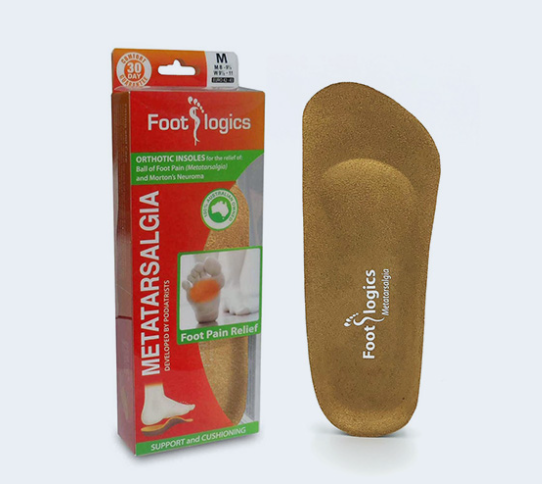
A comfortable running experience starts with the right footwear. Whether you enjoy morning jogging, train regularly at the gym, or prepare for longer running distances, your feet need proper support throughout every session. While running shoes provide the foundation, the insoles inside them also influence how your feet feel during movement. Choosing the best orthotic insoles for running can help improve cushioning, provide additional arch support, and create a more comfortable fit.
However, not every runner needs the same type of shoe insert. Foot shape, running habits, footwear design, and personal comfort preferences all play a role in finding suitable insoles. Knowing what features matter can make the selection process much easier.
Why Are Running Insoles Worth Considering?
Running involves repetitive movement, and your feet experience impact with every stride. Over time, longer training sessions can leave your feet feeling tired, particularly when your footwear does not provide the support you prefer.
Running shoe insoles offer an additional layer of cushioning and support inside your footwear. Depending on their design, they may help improve pressure distribution and provide a more secure feeling.
Some of the common reasons runners consider supportive inserts include:
- Additional cushioning during regular running sessions.
- Better support beneath the natural foot arches.
- Improved comfort inside running shoes.
- A more secure fit around the heel.
- Additional support for people who spend time walking and running.
The right insert should complement your running shoes and feel comfortable throughout your activity.
Important Features to Look for in Running Shoe Insoles
Before purchasing running shoe inserts, consider the features that match your foot structure and training requirements.
1. Arch Support That Matches Your Feet
Arch support is an important consideration when choosing sports insoles. Your feet may have low, medium, or high arches, and each structure can have different support requirements.
Runners with flat feet may prefer inserts that provide additional support beneath the midfoot. Those with higher arches may look for a design that balances cushioning with comfortable arch contact.
The best arch support insoles for running should feel supportive without putting unnecessary pressure on your feet.
2. Cushioning for Repeated Impact
Every running stride creates impact between your feet and the ground. Cushioning materials can help absorb some of this impact and improve the overall feel of your footwear.
Some runners prefer softer inserts, while others feel more comfortable with firmer support. Consider your running distance, training surface, and personal preferences when comparing options.
3. A Supportive Heel Design
The heel plays an important role in how your feet interact with the ground. Many orthotic insoles for running feature a shaped heel cup designed to provide a more secure fit.
A supportive heel section can also help keep the insole properly positioned inside your shoe during movement.
4. Breathable and Durable Materials
Running can cause your feet to become warm, especially during longer sessions. Choosing insoles made with suitable breathable materials may help improve comfort inside your footwear.
Durability is equally important. Look for materials that maintain their shape and support with regular use.
5. Proper Fit Inside Running Shoes
Even high-quality running shoe inserts may cause problems if they do not fit correctly. An insert should sit flat inside your shoe without folding, sliding, or making the footwear feel too tight.
Always check product measurements and manufacturer sizing recommendations before purchasing.
Which Running Insoles Are Suitable for Different Activities?
Your choice of insoles should reflect how you use your footwear.
Daily Jogging: If you enjoy short morning runs, cushioned running insoles may provide the additional comfort you prefer during regular exercise.
Long-Distance Running: Runners covering longer distances may look for a balance of cushioning, arch support, and a secure fit.
Gym Training: Sports insoles designed for active footwear may suit people who combine treadmill sessions, walking, and other workouts.
Walking and Running: If you use the same shoes for both activities, consider versatile inserts that offer comfortable support throughout the day.
Selecting insoles according to your routine can help you avoid paying for features you may not need.
Signs You Should Replace Your Running Insoles
Running insoles experience regular wear and tear. Even if they initially feel comfortable, their cushioning and structure may gradually change.
Look for these common signs:
- The cushioning has become noticeably compressed.
- The material shows cracks or visible damage.
- The arch section no longer feels supportive.
- The insert moves around inside your shoes.
- Your footwear feels less comfortable than before.
Checking your insoles regularly helps you identify when they need replacing.
Why Explore Footlogics Running Insoles?
Finding suitable foot support products can make choosing running footwear easier. Footlogics offers different footcare solutions for people with varying support and comfort requirements.
Whether you are looking for insoles for flat feet, arch support inserts, or orthotic shoe inserts for active use, consider the product design, fit, and features before making a decision.
Make Foot Comfort Part of Your Running Routine
The best running insoles are not necessarily the softest or most expensive ones. They are the inserts that provide the right combination of cushioning, arch support, fit, and comfort for your feet.
Take time to understand your foot structure and running habits before choosing a product. With suitable footwear and properly fitted insoles, you can make your regular training sessions more comfortable and enjoyable.


