 WhatsApp Us Now

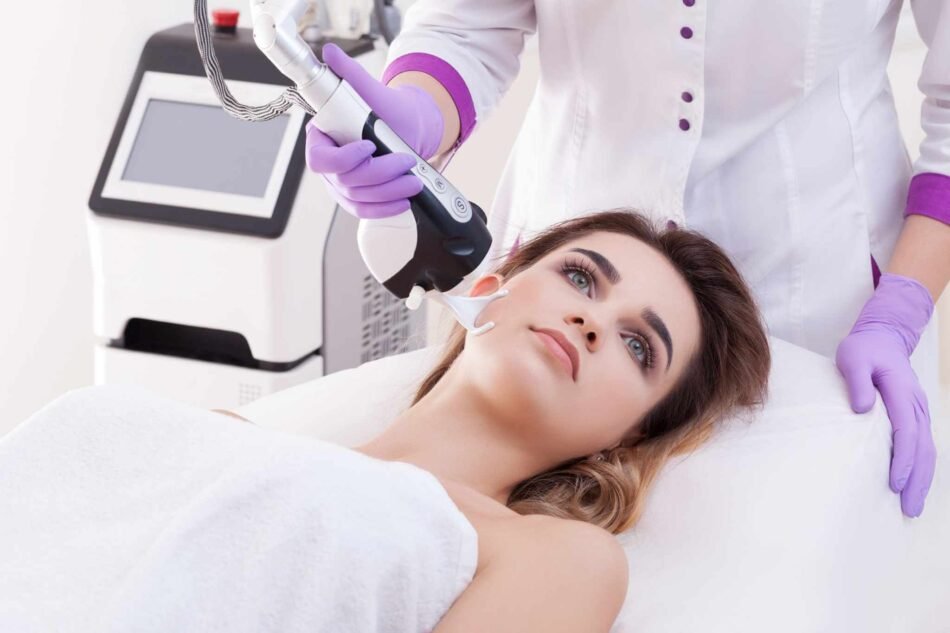
Laser skin resurfacing has transformed modern aesthetic dermatology by offering targeted, light-based solutions for smoother, clearer, and more youthful-looking skin. When exploring advanced options for skin rejuvenation, Laser Skin Resurfacing Abu Dhabi represents a comprehensive category of non-surgical technologies designed to address wrinkles, uneven texture, pigmentation, and scarring. Understanding the distinct categories of laser systems empowers individuals to grasp how different wavelengths and delivery mechanisms interact with the skin to stimulate cellular renewal and collagen remodeling.
- Laser skin resurfacing uses targeted light energy to improve wrinkles, uneven texture, pigmentation, and scars.
- Different laser technologies rely on distinct wavelengths and delivery methods to renew skin layers.
- Knowing how each laser type works helps clarify which approach matches specific skin rejuvenation goals.
Understanding the Core Mechanisms of Laser Skin Resurfacing
At its foundation, laser skin resurfacing works by directing concentrated beams of light energy into specific depths of the skin. These light beams are absorbed by water, melanin, or hemoglobin within the tissue, converting light into controlled thermal energy. This precise heating process either vaporizes damaged outer cells or stimulates deep dermal fibroblasts to produce fresh collagen and elastin, resulting in firmer, smoother, and more evenly toned skin over time.
- Concentrated light beams convert into controlled heat when absorbed by water or pigments in the skin.
- Thermal energy removes damaged surface cells while triggering deep collagen and elastin production.
- The gradual healing response yields firmer, smoother, and more uniformly toned skin.
How Wavelengths Determine Penetration Depth
Every laser device emits light at a specific wavelength, measured in nanometers, which dictates how deeply the energy penetrates and which tissue components absorb it most readily. Shorter wavelengths tend to target superficial pigment and vascular irregularities near the epidermis, whereas longer wavelengths bypass the upper layers to deliver thermal stimulation deep within the dermis. Selecting the appropriate wavelength ensures that the energy reaches the exact structural layer responsible for a particular aesthetic concern.
- Laser wavelengths determine how deeply light energy travels beneath the skin surface.
- Shorter wavelengths focus on superficial discoloration, while longer wavelengths target deeper dermal structures.
- Matching the wavelength to the skin concern maximizes rejuvenation accuracy and effectiveness.
The Role of Thermal Energy in Collagen Remodeling
Collagen is the primary structural protein responsible for keeping skin plump, resilient, and smooth. As natural collagen diminishes over time, fine lines, laxity, and surface irregularities become more prominent. When laser energy heats the dermal layer to a precise threshold, existing collagen fibers contract immediately while triggering a natural wound-healing cascade. Over subsequent weeks and months, specialized cells called fibroblasts synthesize brand-new, organized collagen networks that reinforce the skin from within.
- Heat from the laser causes existing collagen strands to contract while activating fibroblast cells.
- Fibroblasts generate fresh, well-organized collagen and elastin over several months following treatment.
- This internal structural rebuilding smooths fine lines and restores natural skin firmness.
Ablative Laser Skin Resurfacing Technologies
Ablative lasers represent the most intensive category of skin resurfacing, engineered to physically remove the thin outer layers of damaged skin while simultaneously heating the underlying dermis. By vaporizing the epidermis in a highly controlled manner, ablative systems force the skin to regenerate a completely fresh surface layer. This dual action of surface removal and deep thermal stimulation produces dramatic improvements in pronounced wrinkles, deep scars, and severe sun damage.
- Ablative lasers vaporize damaged outer skin layers while delivering heat to the deeper dermis.
- Removing the aged epidermis prompts the growth of an entirely new, smoother surface layer.
- This intensive dual action significantly improves deep wrinkles, prominent scars, and heavy sun damage.
Carbon Dioxide (CO2) Lasers
Carbon dioxide lasers operate at a wavelength of 10,600 nanometers, which is strongly absorbed by the high water content found in skin cells. Because skin tissue consists largely of water, CO2 laser energy instantaneously vaporizes targeted epidermal cells with microscopic precision while creating a zone of controlled thermal coagulation underneath. Historically recognized as the gold standard for comprehensive skin renewal, modern CO2 systems effectively smooth deep rhytids, etched-in facial lines, and pronounced atrophic acne scars.
- CO2 lasers use a 10,600 nm wavelength that targets water molecules inside skin cells for precise vaporization.
- Underlying thermal coagulation stimulates robust collagen remodeling beneath the resurfaced epidermis.
- This technology is widely utilized for smoothing deep wrinkles, etched lines, and severe acne scarring.
Erbium: YAG Lasers
Erbium-doped yttrium aluminum garnet (Erbium: YAG) lasers emit light at a wavelength of 2,940 nanometers, offering an even higher affinity for water than carbon dioxide systems. Because the energy is absorbed so rapidly at the surface, Erbium lasers vaporize tissue with minimal residual heat spreading into surrounding skin. This precision allows for gentle, layer-by-layer removal of superficial to moderately deep wrinkles, sun spots, and textural roughness while preserving healthy adjacent tissue.
- Erbium: YAG lasers operate at 2,940 nm and are absorbed rapidly by water in the uppermost skin layers.
- Minimal heat transfer to surrounding tissue allows for highly controlled, layer-by-layer surface exfoliation.
- Erbium systems excel at refining fine lines, age spots, and moderate surface irregularities.
Non-Ablative Laser Skin Resurfacing Technologies
Non-ablative lasers offer a gentler alternative to ablative resurfacing by delivering thermal energy into the dermis without removing or damaging the outer epidermal barrier. The laser beam passes harmlessly through the surface layer, focusing heat exclusively on the deeper tissue layers where collagen is produced. Because the outer skin remains intact, non-ablative treatments involve minimal recovery time and are typically performed as a series of progressive sessions to gradually refine tone and texture.
- Non-ablative lasers heat the underlying dermis while leaving the outer skin barrier completely intact.
- Keeping the surface undisturbed minimizes recovery time and allows for gradual, cumulative results.
- Multiple progressive sessions help improve early aging signs, uneven tone, and mild textural flaws.
Nd: YAG Lasers
Neodymium-doped yttrium aluminum garnet (Nd: YAG) lasers typically operate at a wavelength of 1,064 nanometers, allowing light energy to penetrate deeply into the dermis with relatively low absorption by superficial melanin. This deep-reaching thermal profile stimulates collagen production, tightens lax tissue, and addresses vascular redness without disrupting the epidermis. Nd: YAG systems are versatile tools for improving overall skin elasticity, softening fine creases, and promoting a clearer, more balanced complexion across various skin tones.
- Nd: YAG lasers use a 1,064 nm wavelength to penetrate deeply into the dermis without harming the surface.
- Low melanin absorption makes this wavelength suitable for stimulating collagen across diverse skin tones.
- Deep dermal heating helps improve elasticity, soften fine lines, and calm underlying redness.
Erbium: Glass and Diode Non-Ablative Systems
Erbium: Glass lasers (commonly operating at 1,540 nm or 1,550 nm) and specialized diode lasers (such as 1,440 nm or 1,927 nm wavelengths) are engineered specifically for sub-surface dermal remodeling and superficial pigment clearance. These wavelengths target water within the mid-to-upper dermis, creating controlled thermal zones that trigger cellular turnover and collagen synthesis beneath an unbroken epidermis. They are frequently chosen to refine enlarged pores, smooth early photoaging, and brighten dull, uneven skin tone.
- Erbium: Glass and diode wavelengths create controlled thermal stimulation beneath an intact epidermis.
- These systems target water in the upper and mid-dermis to accelerate cellular renewal and collagen growth.
- They are effective for minimizing enlarged pores, refreshing dull skin, and smoothing early aging signs.
Fractional vs. Full-Field Laser Delivery Methods
Beyond the distinction between ablative and non-ablative wavelengths, laser resurfacing devices are categorized by how they deliver light beams across the skin surface. Understanding the difference between full-field and fractional delivery clarifies how modern lasers balance treatment intensity with healing speed.
- Laser devices differ not only by wavelength, but also by how the beam is distributed across the skin.
- Full-field and fractional delivery methods offer distinct balances between intensity and tissue recovery.
Full-Field Resurfacing
Full-field laser resurfacing treats 100 percent of the targeted skin surface area in a continuous, uniform sheet. Every microscopic cell within the treatment zone receives direct laser energy, resulting in complete epidermal renewal across the entire region. Full-field delivery is typically reserved for localized areas with pronounced textural damage, such as deep perioral lines around the mouth or severe scarring, where maximum surface remodeling is desired.
- Full-field delivery applies laser energy across the entire targeted skin surface without leaving gaps.
- Treating 100 percent of the surface area provides thorough, uniform epidermal replacement.
- This approach is often focused on specific zones with deep creases or pronounced scar tissue.
Fractional Resurfacing
Fractional laser technology divides a single laser beam into thousands of microscopic columns of light, known as microthermal treatment zones (MTZs), while leaving surrounding bridges of untouched, healthy skin intact. Both ablative (such as Fractional CO2) and non-ablative (such as Fractional 1,550 nm) lasers utilize this pixelated delivery pattern. The untreated skin bridges act as reservoirs of healthy stem cells and growth factors that rapidly migrate into the treated columns, dramatically accelerating healing and collagen regeneration.
- Fractional lasers split light energy into thousands of microscopic columns surrounded by untouched skin.
- Both ablative and non-ablative lasers can use fractional delivery to optimize dermal remodeling.
- Healthy surrounding tissue bridges speed up cellular repair and shorten overall recovery timelines.
Hybrid and Picosecond Laser Advancements
Continuous innovation in aesthetic technology has introduced hybrid and ultra-short pulse laser systems that bridge traditional categories. These advanced platforms combine multiple wavelengths or utilize photoacoustic energy to achieve multifaceted skin rejuvenation with remarkable precision.
- Modern advancements include hybrid dual-wavelength platforms and ultra-short pulse picosecond lasers.
- These technologies combine different mechanisms to address pigment, texture, and collagen simultaneously.
Hybrid Fractional Lasers
Hybrid fractional lasers combine both an ablative wavelength and a non-ablative wavelength within the same handpiece, delivering them simultaneously or sequentially to the exact same microscopic treatment zone. While the non-ablative wavelength penetrates deeply to stimulate dermal collagen remodeling, the ablative wavelength gently resurfaces the upper epidermis to clear away dullness and rough texture. This synergistic approach maximizes surface brightness and deep structural firming in a unified session.
- Hybrid lasers deliver both ablative and non-ablative wavelengths simultaneously into the skin.
- One wavelength remodels deep dermal collagen while the other gently polishes surface irregularities.
- Combining both mechanisms enhances overall tone, texture, and firmness in a cohesive treatment.
Picosecond Lasers with Fractional Optics
Picosecond lasers emit ultra-short bursts of energy measured in trillionths of a second, relying primarily on a photoacoustic (mechanical) effect rather than pure photothermal heat. When paired with specialized diffractive lens arrays, picosecond beams create microscopic laser-induced optical breakdown (LIOB) zones within the epidermis and upper dermis. These tiny pressure waves stimulate robust collagen and elastin production while shattering stubborn pigment clusters, improving acne scars, fine lines, and discoloration with minimal thermal stress.
- Picosecond lasers deliver energy in trillionths of a second using mechanical pressure waves rather than intense heat.
- Specialized fractional lenses create microscopic zones that trigger collagen synthesis and break up pigment.
- This gentle photoacoustic mechanism refreshes texture, scars, and uneven tone with minimal heat buildup.
Matching Laser Types to Specific Skin Concerns
Because each laser category interacts differently with water, pigment, and dermal depth, matching the technology to the primary skin concern ensures harmonious and predictable results. Different aesthetic goals benefit from distinct combinations of wavelength and delivery style.
- Selecting the right laser depends on whether the primary goal involves deep wrinkles, scars, pores, or pigment.
- Tailoring wavelength and delivery method ensures targeted improvement for each unique skin concern.
Deep Wrinkles and Pronounced Photoaging
Static wrinkles etched deeply into the cheeks, forehead, or around the mouth require substantial dermal remodeling and surface renewal. Ablative CO2 or Erbium:YAG lasers—particularly in fractional configurations—effectively smooth deep creases by vaporizing damaged surface layers and stimulating dense new collagen fibers that plump the skin from beneath.
- Deep, static wrinkles respond best to the intensive renewal provided by ablative CO2 or Erbium lasers.
- Fractional ablative delivery smooths etched creases by rebuilding dense dermal collagen support.
Acne Scars and Textural Irregularities
Atrophic acne scars, such as rolling or boxcar indentations, involve tethered, disorganized scar tissue beneath the skin surface. Fractional ablative lasers and fractional picosecond systems work effectively to break down rigid scar fibers and stimulate organized collagen deposition, gradually lifting depressed scar beds to blend smoothly with surrounding healthy skin.
- Indented acne scars improve when fractional lasers break down rigid scar tissue and build new collagen.
- Fractional ablative and picosecond systems help elevate depressed areas for a smoother skin contour.
Enlarged Pores, Dullness, and Early Aging
Individuals looking to refresh tired-looking skin, minimize visible pores, and soften fine surface lines often benefit from non-ablative fractional lasers or hybrid systems. By heating the upper and mid-dermis without stripping away the protective outer barrier, these technologies tighten follicular walls, accelerate surface cell turnover, and restore a radiant, even glow.
- Non-ablative fractional and hybrid lasers effectively refine enlarged pores and brighten dull complexions.
- Sub-surface dermal heating tightens pore structure and smooths early fine lines without surface stripping.
Frequently Asked Questions
What is the main difference between ablative and non-ablative laser resurfacing?
Ablative lasers physically remove the thin outer layers of damaged skin through vaporization while heating the deeper dermis, resulting in dramatic renewal for deep wrinkles and scars. Non-ablative lasers pass harmlessly through the outer skin layer to heat only the underlying dermis, stimulating gradual collagen growth with minimal downtime.
How does fractional laser technology improve the healing process?
Fractional laser technology divides the laser beam into thousands of microscopic treatment columns while leaving surrounding areas of healthy skin untouched. These intact bridges of healthy tissue supply fresh cells and growth factors that rapidly repair the treated columns, accelerating recovery compared to full-field resurfacing.
Which type of laser resurfacing is most suitable for treating uneven skin tone and pigmentation?
Non-ablative fractional lasers, Erbium:YAG systems, and picosecond lasers with fractional optics are particularly effective for uneven skin tone and sun-induced pigmentation. They target superficial pigment clusters and stimulate cellular turnover to clear discoloration while promoting a smoother, brighter complexion.
Can different types of laser resurfacing be combined to address multiple skin concerns?
Yes, hybrid fractional lasers naturally combine ablative and non-ablative wavelengths in a single session to target both surface texture and deep collagen simultaneously. Additionally, sequential approaches using different wavelengths can address vascular redness, stubborn pigment, and structural laxity across a comprehensive skin renewal plan.


