 WhatsApp Us Now

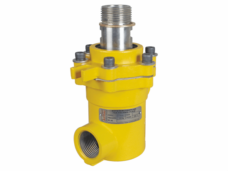
Industrial automation has become an essential part of modern manufacturing, processing, and production facilities. Businesses increasingly rely on automated equipment to improve productivity, maintain consistent operations, and reduce manual intervention. Among the important components supporting industrial automation are rotary actuators, which convert pneumatic energy into controlled rotational movement.
A pneumatic rotary actuator is designed to generate rotational motion using compressed air. These devices are commonly used in valve automation, material handling systems, industrial machinery, and various process applications where reliable rotational movement is required.
Understanding Pneumatic Rotary Actuator Technology
Pneumatic rotary actuators operate by utilizing compressed air to produce rotational force. Depending on their design, they can generate partial rotation, such as 90 degrees, 180 degrees, or other specified angles, making them suitable for applications requiring controlled movement.
The actuator receives compressed air through its pneumatic connections. Internal mechanisms convert the air pressure into rotational movement, which can then be transferred to a connected valve, mechanical component, or automation system.
Different actuator designs offer varying torque outputs, operating angles, and performance characteristics. Selecting an appropriate actuator requires understanding the operating conditions, mechanical requirements, and intended application.
Types of Rotary Actuators
Rotary actuators are available in different designs to meet specific industrial requirements. Each type offers distinct operating characteristics and advantages.
Common types include:
- Rack and Pinion Actuators: These convert linear movement generated by pistons into rotational movement through a rack-and-pinion mechanism.
- Scotch Yoke Actuators: Designed to produce rotational torque through a mechanical yoke arrangement, often suitable for specific torque requirements.
- Single-Acting Actuators: Operate using compressed air in one direction, with springs providing the return movement.
- Double-Acting Actuators: Use compressed air for movement in both directions, allowing controlled operation during opening and closing cycles.
Understanding these configurations helps engineers and industrial buyers select equipment according to their operational requirements.
Applications Across Industrial Sectors
Rotary actuators are used in numerous industries because of their ability to support automated rotational movement.
In valve automation, they are commonly used to operate butterfly valves, ball valves, and other quarter-turn valves. They can help automate the opening and closing of pipeline systems, improving operational convenience and process control.
Manufacturing facilities use rotary actuators in machinery, assembly systems, packaging equipment, and material handling applications. They may also be integrated into automated production lines where repetitive rotational movement is required.
Other applications include water treatment facilities, chemical processing systems, power generation, industrial utilities, and various engineering operations.
Key Factors for Selecting the Right Actuator
Choosing an actuator requires careful consideration of several technical factors to ensure suitable performance.
Torque Requirements
Torque is one of the most important parameters when selecting an actuator. The actuator should provide sufficient torque to operate the connected equipment under expected operating conditions. Additional safety margins may be considered according to application requirements.
Air Pressure
The available compressed air pressure influences actuator performance. Buyers should verify that the actuator is compatible with the operating pressure of the pneumatic system.
Operating Angle
The required rotational movement should match the application. Different equipment may require quarter-turn movement or other specified rotational angles.
Environmental Conditions
Temperature, humidity, dust, corrosive environments, and installation conditions can influence actuator selection. Suitable construction and protection levels should be considered based on the operating environment.
Mounting and Compatibility
Actuator mounting dimensions, shaft connections, and mechanical interfaces should be compatible with the connected valve or equipment. Proper compatibility supports easier installation and reliable operation.
Benefits of Pneumatic Actuator Automation
Pneumatic rotary actuators offer several advantages in industrial environments. Their relatively simple operating principle supports practical integration into automation systems. Compressed air can provide a convenient energy source in facilities that already have pneumatic infrastructure.
Additional benefits include:
- Reliable rotational movement for automated equipment.
- Reduced manual intervention in repetitive operations.
- Convenient integration with pneumatic control systems.
- Suitable operating speeds for many industrial applications.
- Practical solutions for valve automation and process control.
These advantages make rotary actuators useful for improving operational efficiency in different industrial environments.
Maintenance and Operational Reliability
Regular maintenance is important for maintaining actuator performance. Industrial users should inspect pneumatic connections, air quality, mounting arrangements, and operating movement periodically.
Clean and properly regulated compressed air can help protect internal components from contamination and unnecessary wear. Checking for air leakage and ensuring that the actuator operates smoothly can also support dependable performance.
Following appropriate installation instructions and maintenance practices helps improve equipment reliability and may reduce unexpected operational interruptions.
Conclusion
Pneumatic rotary actuator technology continues to support industrial automation by providing controlled rotational movement for valves, machinery, and process equipment. Its versatility, practical operating mechanism, and suitability for automated systems make it an important component in modern industrial operations.
By considering torque requirements, air pressure, operating angle, environmental conditions, compatibility, and maintenance needs, businesses can select appropriate actuator solutions for their applications. Proper selection and installation contribute to reliable performance, efficient automation, and long-term operational stability.


