 WhatsApp Us Now

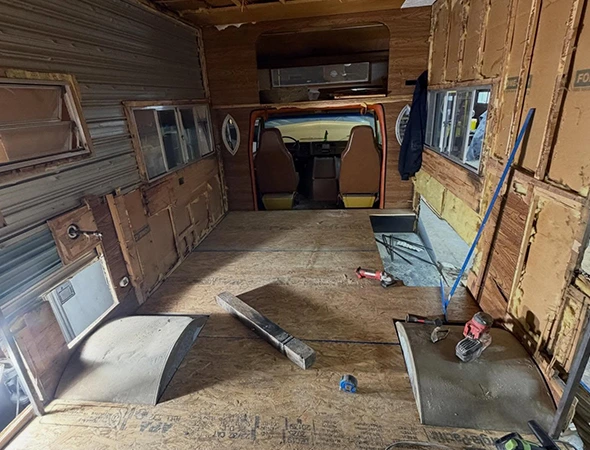
An RV frame does more than hold the vehicle together. It supports the weight of the living space, connects major structural components, and helps the vehicle handle the stresses of traveling on different roads. When that structure becomes damaged or needs to accommodate a new setup, making the right changes matters.
Some RV owners need structural work after years of corrosion or road wear. Others are planning a renovation that adds equipment, changes the interior layout, or places additional weight on the chassis.
In either case, Frame Modifications require careful planning. Cutting, welding, or reinforcing the wrong section can create new problems that are much harder to correct.
This guide explains the different types of RV structural changes, when they’re necessary, how professionals approach them, and what owners should check before approving the work.
How Does an RV Frame Support the Vehicle?
The frame is the structural foundation of a motorhome or trailer. Depending on the vehicle’s design, it may consist of steel rails, crossmembers, outriggers, mounting brackets, and other supporting components.
These parts work together to distribute loads and maintain the vehicle’s structural integrity.
For towable RVs, the frame also transfers forces between the trailer body, suspension, axles, and hitch assembly. Motorhomes have different chassis arrangements, with structural requirements determined by their manufacturer and vehicle classification.
A properly functioning frame helps maintain:
- Structural support for the body and interior.
- Correct positioning of suspension components.
- Stable load distribution across the vehicle.
- Secure attachment points for tanks and equipment.
- Proper alignment between connected structural parts.
The frame also experiences twisting and vibration during travel. Even on paved highways, changing road surfaces and repeated loading create stress.
This is why structural changes must account for more than the weight of a new component. They must also consider how that weight affects the entire vehicle.
When Are RV Frame Modifications Necessary?
Not every frame issue requires a major rebuild. Some problems can be corrected with localized repairs, while others require a more extensive structural assessment.
Structural damage from corrosion
Steel frames are vulnerable to corrosion when exposed to moisture, road salt, and damaged protective coatings.
Surface rust may be manageable with appropriate treatment. However, deeper corrosion can reduce the thickness and strength of structural components.
If corrosion affects critical areas, replacing or professionally repairing the compromised material may be necessary.
Damage from collisions or road impacts
Hitting road debris, striking an obstacle, or experiencing a collision can bend or distort frame components.
Even when exterior damage appears minor, the impact may affect mounting points, crossmembers, or suspension alignment.
A structural inspection can help determine whether the damage is localized or extends into other parts of the chassis.
Changes to equipment or interior layout
Adding large batteries, water tanks, generators, or other equipment can change how weight is distributed.
Some upgrades require new mounting structures or reinforcement at specific attachment points.
However, adding reinforcement does not automatically increase the manufacturer’s rated weight capacity.
Restoration of older RVs
Older trailers may have weakened crossmembers, damaged outriggers, or previous repairs that no longer meet structural needs.
Restoration projects often reveal problems that were hidden beneath flooring, insulation, or protective panels.
Addressing these issues before rebuilding the interior can prevent repeated disassembly.
Common Types of RV Frame Structural Work
The appropriate repair or modification depends on the vehicle’s construction and the condition of its existing components.
Crossmember repair or replacement
Crossmembers connect major frame sections and provide support across the chassis.
When a crossmember becomes damaged, surrounding components may experience additional movement.
Repair work may involve replacing the compromised section or restoring its connection to the frame.
The replacement must match the structural requirements of the original assembly.
Outrigger repair
Outriggers extend outward from the main frame and support portions of the body or floor.
They are particularly important in certain travel trailer designs.
Corroded or weakened outriggers can contribute to floor movement and poor support along the trailer’s perimeter.
Repairing them may require access beneath the body or removal of adjacent materials.
Mounting bracket modifications
Equipment upgrades sometimes require changes to mounting brackets or support structures.
These changes should account for equipment weight, vibration, clearance, and the strength of the mounting surface.
Improper mounting can concentrate loads in areas that were never designed to carry them.
Frame reinforcement
RV Frame Reinforcement may be recommended when an approved repair design requires additional structural support.
This can involve reinforcing selected components, restoring weakened connections, or installing engineered support assemblies.
The correct approach depends on the original frame design and the forces acting on the affected area.
Simply welding extra steel onto a frame is not necessarily an effective or safe solution.
How Do You Know If Your RV Frame Is Damaged?
Frame problems aren’t always obvious during normal use.
Some symptoms appear gradually, while others develop after a specific incident.
Watch for these warning signs:
| Warning sign | Possible concern |
| Visible cracks in metal components | Fatigue, overload, or impact damage |
| Severe rust or metal flaking | Loss of structural material |
| Uneven trailer stance | Suspension, tire, loading, or frame problems |
| Gaps around body panels | Structural movement or damaged attachments |
| Repeatedly loosening mounting hardware | Vibration, improper fastening, or structural movement |
| Uneven tire wear | Alignment, suspension, axle, or frame-related issues |
These symptoms do not confirm frame damage on their own.
For example, uneven tire wear can result from inflation problems, worn suspension components, or axle alignment.
Similarly, trailer sway can be caused by improper loading, hitch setup, tire conditions, or suspension issues.
A qualified technician should identify the cause before recommending structural repairs.
If you notice a visible crack, significant distortion, or suspected failure in a load-bearing component, avoid towing the trailer until it has been assessed.
What Happens During a Professional Frame Modification?
Structural work should begin with an evaluation of the existing frame and the intended outcome.
1. Initial structural inspection
The technician examines accessible frame components for corrosion, cracking, deformation, and previous repairs.
Measurements may be taken to check alignment and identify areas that require closer examination.
The inspection also considers suspension mounting points, body attachments, and other connected systems.
2. Review of vehicle specifications
Before making structural changes, the repair provider should review applicable manufacturer information.
This may include frame construction details, material specifications, repair procedures, and restrictions on welding or drilling.
Certain chassis manufacturers prohibit modifications in designated areas without written approval.
3. Repair planning
The repair plan identifies which components need attention and how the work will affect surrounding structures.
For significant modifications, engineering review may be necessary.
The plan should also account for fuel lines, electrical wiring, plumbing, and other systems located near the work area.
4. Structural repair or modification
Qualified technicians perform the approved work using appropriate materials, tools, and procedures.
Depending on the design, repairs may involve replacing components, installing approved reinforcements, or restoring damaged connections.
Welding procedures must be compatible with the frame material and manufacturer requirements.
5. Inspection and verification
After the work is completed, the modified area should be checked for proper alignment, attachment integrity, and workmanship.
Additional inspections or testing may be necessary depending on the repair.
The technician should also verify that nearby systems have not been damaged during the process.
Why Frame Material Matters
Not all RV frames use the same materials or construction methods.
Many trailers use steel frame assemblies, while certain vehicles incorporate aluminum structures or specialized chassis components.
The material affects how repairs should be performed.
For example, welding procedures appropriate for one type of steel may not be suitable for another.
Heat can also alter material properties or damage nearby components.
Some frames use bolted connections or manufacturer-approved assemblies that should not be replaced with improvised welded joints.
A repair provider must identify the material and construction method before selecting a repair technique.
This is especially important for older vehicles, where previous modifications may have changed the original structure.
Can You Modify an RV Frame to Carry More Weight?
This is one of the most important questions to ask before adding equipment.
A stronger-looking frame does not necessarily mean an RV can safely carry more weight.
The vehicle’s weight ratings depend on several systems, including the frame, axles, suspension, tires, wheels, brakes, and hitch components.
For trailers, important ratings include the Gross Vehicle Weight Rating (GVWR) and Gross Axle Weight Rating (GAWR).
Adding steel to a frame does not independently change these manufacturer-assigned ratings.
A structural modification may help support an approved equipment installation, but it should never be treated as permission to exceed the vehicle’s rated capacity.
Before installing heavy equipment, determine its weight and mounting location.
Also consider how the added load changes tongue weight, axle loading, and overall balance.
A professional assessment can help identify whether the proposed upgrade is suitable for the existing vehicle.
How Much Do RV Frame Modifications Cost?
There is no standard price for structural work because the scope can vary significantly.
A localized bracket repair is different from replacing multiple crossmembers or correcting extensive corrosion damage.
The main cost factors include:
Extent of damage: Larger affected areas generally require more labor and materials.
Accessibility: Removing underbelly panels, tanks, flooring, or equipment can increase repair time.
Frame construction: Specialized materials and chassis designs may require additional procedures.
Engineering requirements: Significant changes may need design review or manufacturer consultation.
Corrosion treatment: Damaged coatings and surrounding metal may need restoration.
Additional repairs: Suspension, mounting points, and adjacent structural components may also require attention.
Request a written estimate that explains the proposed work and identifies any uncertainties.
For older trailers, hidden damage may only become visible after protective panels or interior components are removed.
How to Prevent Future Frame Problems
Routine inspections can help identify damage before it becomes extensive.
Check accessible frame sections for rust, cracks, loose hardware, and damaged protective coatings.
Pay particular attention to areas exposed to road spray and moisture.
After driving on salted roads, clean the undercarriage according to the vehicle manufacturer’s guidance.
Avoid overloading the RV, and distribute cargo according to its weight ratings.
Inspect suspension components and tires regularly because problems in these areas can place additional stress on the chassis.
If you purchase a used trailer, consider having the frame inspected before beginning an extensive renovation.
Structural repairs are easier to plan when the interior has not yet been rebuilt around damaged components.
Choosing a Professional for RV Frame Work
Frame repairs involve components that directly affect road safety, so experience with RV and trailer construction matters.
Ask whether the repair provider works with your vehicle type and understands the relevant manufacturer requirements.
A qualified provider should be able to explain the damage, proposed repair method, and any limitations.
Hudson Automotive Repair & Service, based in Highland, NY, offers RV, trailer, and Airstream structural repair services, including frame-related work and restoration.
Hudson Automotive Repair & Service+1
Owners considering Frame Modifications can contact the team to discuss their vehicle’s condition and arrange an assessment.
For structural concerns involving weakened components, RV Frame Reinforcement should only proceed after the repair method has been evaluated for the specific vehicle.
Frequently Asked Questions
Can a cracked RV frame be repaired?
Some cracks can be repaired using an approved structural procedure. The location, material, cause, and extent of the damage determine whether repair is appropriate. Severe damage may require component replacement.
Is welding an RV frame safe?
Welding can be appropriate for certain repairs when performed according to applicable manufacturer procedures and material requirements. However, some frame areas should not be welded or modified without authorization.
Do frame modifications affect RV insurance?
They can. Insurance coverage depends on the policy and the type of modification. Notify your insurer before making significant structural changes and ask whether documentation or approval is required.
How often should an RV frame be inspected?
Inspect accessible structural components during routine maintenance and after significant impacts. Older RVs, heavily used trailers, and vehicles exposed to road salt may benefit from more frequent professional inspections.
Can frame repairs fix trailer sway?
Only if a verified structural problem is contributing to the sway. Loading, hitch adjustment, tire pressure, suspension condition, and other factors are more common causes and should be evaluated.
Conclusion
Your RV’s frame plays a central role in its structural stability and roadworthiness.
Whether you’re repairing corrosion, restoring an older trailer, or planning a custom upgrade, the work should begin with a proper assessment.
Understanding the frame’s construction, weight limitations, and manufacturer requirements helps prevent modifications that could compromise safety.
For RV and trailer owners dealing with structural concerns, Hudson Automotive Repair & Service offers professional repair and restoration services in Highland, NY. Contact the team to discuss your vehicle and determine the next steps.


