 WhatsApp Us Now

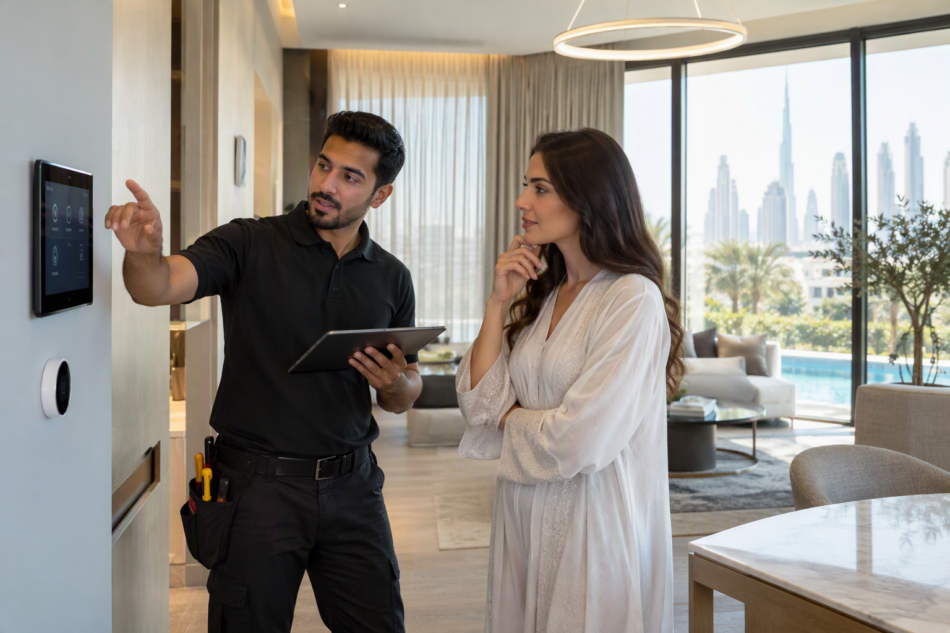
When planning an audio-visual project, it is important to check the quality of the installation before choosing a provider. Top AV Companies in Dubai may offer different equipment, installation methods, and support services, so understanding these details can help you make a better decision. A well-installed AV system should provide clear sound, good picture quality, simple controls, and reliable performance.
AV systems are used in meeting rooms, schools, hotels, homes, and other buildings. Even when good equipment is selected, poor installation can lead to sound problems, loose connections, display issues, and difficult controls. Checking the installation process and the provider’s work can help reduce these problems.
Check the Provider’s Previous Work
One way to assess installation quality is to review previous projects. Ask whether the provider has completed work similar to your planned installation. For example, installing equipment in a small meeting room may require different skills from setting up a large conference hall or home cinema.
If possible, look at photos or visit a completed project. Pay attention to how the equipment is placed, how cables are managed, and whether the system looks organised. Check whether displays are positioned at a suitable height and whether speakers are placed to provide even sound coverage.
Previous work can give you a better idea of the provider’s experience. However, photos alone cannot confirm technical performance, so it is useful to ask about testing and the steps taken to check the finished system.
Review the Equipment and System Design
A good installation starts with a suitable design. Before work begins, the provider should understand how the space will be used and which features are needed.
For example, a conference room may need displays, microphones, speakers, cameras, and video conferencing equipment. A home cinema may require a projector or large display, surround sound speakers, and a control system.
Check whether the proposed equipment suits the room size, lighting conditions, seating arrangement, and number of users. The design should also explain how the devices will connect and work together.
Ask for clear equipment details, including model numbers, quantities, and important specifications. This makes it easier to confirm that the installed products match the agreed plan.
Inspect Cable Management and Wiring
Cable management is an important part of AV installation quality. Poorly arranged cables can make the system difficult to maintain and may create trip hazards. Loose connections can also cause sound loss, flickering displays, or interruptions.
Check whether cables are organised, labelled where useful, and routed safely. Wall-mounted displays and ceiling speakers should have suitable cable routes that keep wires out of the way. Equipment racks should also allow enough space for access, ventilation, and future maintenance.
The wiring should match the system design and the requirements of the equipment. Power and signal cables should be installed according to applicable safety standards and manufacturer instructions.
A clean appearance is useful, but it should not be the only measure of quality. Cables must also be connected correctly and remain accessible when repairs or changes are needed.
Check the Safety of the Installation
Safety should be considered throughout the installation process. Displays, projectors, speakers, and other equipment must be mounted securely using suitable brackets and supports.
For ceiling-mounted equipment, check whether the mounting method is suitable for the ceiling structure and the equipment’s weight. Heavy devices should not depend on unsuitable fixings.
Electrical work should follow the relevant safety requirements and be completed by qualified professionals where required. Cables should not block walkways, exits, or access to essential building equipment.
You can also ask whether the provider checks ventilation around amplifiers, control equipment, and other devices that produce heat. Proper ventilation helps equipment operate within its recommended conditions.
Ask About System Testing
Testing is one of the clearest ways to assess installation quality. Once the equipment is installed, the provider should check that each part works correctly and that the full system performs as expected.
For audio equipment, testing may include microphone clarity, speaker coverage, sound levels, and unwanted noise. For video equipment, checks may include picture quality, resolution, input selection, and signal stability.
Control panels and connected devices should also be tested. Users should be able to switch between sources, adjust suitable settings, and start common tasks without unnecessary steps.
Ask whether you can test the system before the project is signed off. This gives you a chance to identify issues and confirm that the installation meets the agreed requirements.
Review the Handover and User Training
A completed installation should include a clear handover. The provider should explain how to use the system and provide any relevant documents, such as equipment lists, connection diagrams, and operating instructions.
For a meeting room, staff may need to know how to connect a laptop, start a video call, adjust the volume, and select the correct display source. For a home system, family members may need guidance on using the control panel or mobile application.
Ask whether basic user training is included in the agreed work. Clear instructions can reduce mistakes and help users feel comfortable with the equipment.
It is also useful to confirm that the final installation matches the approved design and that any agreed changes are documented.
Compare Warranty and Maintenance Support
Installation quality also affects how easily problems can be handled later. Before hiring a provider, check the warranty terms for equipment and ask what support is available after installation.
Find out how technical issues are reported, whether remote support is available, and whether site visits involve additional charges. The proposal should explain any maintenance services that are included.
You should also ask whether the provider will help with future system changes, such as adding a display or replacing a conferencing device. Clear support terms help you understand what to expect after the work is complete.
When reviewing Top AV Companies in Dubai, compare their installation methods, equipment details, testing procedures, safety measures, and support terms rather than relying on price alone. These checks can help you assess Top AV Companies in Dubai more carefully and choose an AV installation provider whose work meets your project’s needs.


