 WhatsApp Us Now

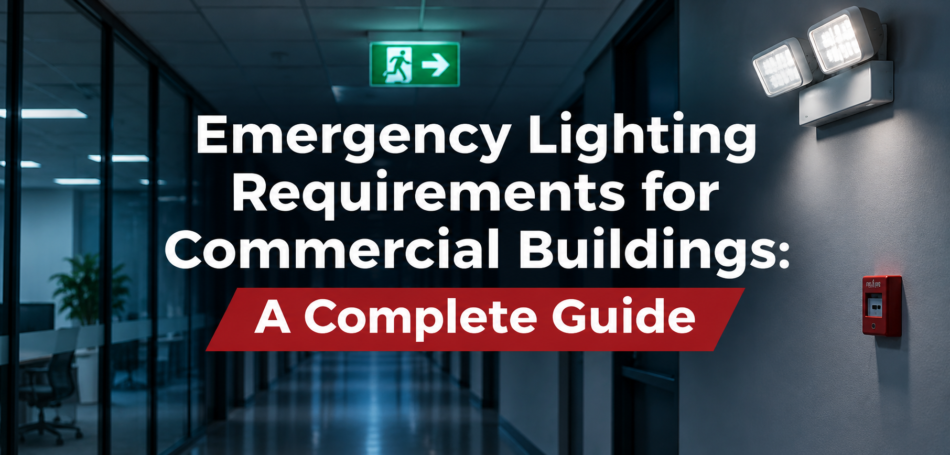
Imagine a busy commercial building suddenly losing power, leaving employees, customers, and visitors in complete darkness. Without proper lighting, even familiar hallways and staircases can become dangerous. Understanding Emergency lighting requirements is essential for commercial property owners, facility managers, and electrical contractors to ensure occupant safety, support regulatory compliance, and prepare buildings for unexpected emergencies.
A well-designed emergency lighting system does more than illuminate exit routes. It helps prevent panic, reduces the risk of injuries, and supports safe evacuation when normal lighting fails.
What Is Emergency Lighting?
Emergency lighting is a backup illumination system designed to activate automatically when the primary electrical supply fails. It provides sufficient visibility for building occupants to navigate their surroundings and reach designated exits safely.
Emergency lighting is particularly important in commercial facilities such as:
- Office buildings
- Shopping malls and retail stores
- Warehouses and manufacturing facilities
- Hotels and restaurants
- Hospitals and healthcare facilities
- Educational institutions
Depending on the building’s size, occupancy, and operational requirements, emergency lighting systems may use rechargeable batteries, centralized backup power systems, or emergency generators.
Key Emergency Lighting Requirements for Commercial Buildings
Commercial buildings must follow applicable fire safety, electrical, and building regulations. In the United States, commonly referenced codes and standards include:
- NFPA 101 Life Safety Code
- International Building Code (IBC)
- Occupational Safety and Health Administration (OSHA) regulations
- National Electrical Code (NEC)
Canadian commercial buildings must follow applicable provincial and territorial building and fire codes.
Although specific regulations vary by location and building classification, the following requirements are essential considerations.
1. Minimum Emergency Lighting Duration
Under commonly adopted U.S. life safety codes, required emergency lighting must generally remain operational for at least 90 minutes following a power failure.
This duration provides occupants with sufficient time to evacuate and supports emergency response activities.
Property managers should ensure backup power sources are capable of meeting the required operating duration. Canadian requirements may differ depending on building occupancy and classification.
2. Adequate Illumination Levels
Emergency lighting must provide sufficient brightness along designated evacuation routes.
Under NFPA 101, commonly applicable initial illumination requirements include:
- An average illumination level of at least 1 foot-candle (10.8 lux).
- A minimum illumination level of 0.1 foot-candle (approximately 1.1 lux) at any point along the designated exit path.
Electrical contractors should evaluate lighting distribution to minimize dark spots and ensure adequate visibility at floor level.
3. Automatic Activation During Power Failure
Emergency lights must activate automatically when the normal lighting supply is interrupted.
Occupants should not have to locate switches or manually activate backup lighting during an emergency. Reliable automatic activation is especially important in large buildings where evacuation routes may be complex.
4. Proper Emergency Lighting Placement
Strategic fixture placement is essential for an effective evacuation system.
Common locations requiring emergency illumination, depending on applicable codes, include:
- Emergency exits and exit doors
- Staircases and stairwells
- Corridors and hallways
- Designated evacuation routes
- Ramps and changes in floor levels
- Exit discharge pathways
For example, a commercial warehouse with multiple aisles should ensure that designated evacuation routes remain adequately illuminated even when its primary lighting system fails.
Types of Emergency Lighting Systems
Choosing the right emergency lighting system depends on the building layout, occupancy, and safety requirements.
Battery Backup Emergency Lights
These fixtures contain rechargeable batteries that supply power when normal electricity fails. They are commonly used in commercial spaces because of their independent operation and relatively straightforward installation.
LED Emergency Lighting
LED emergency lights offer energy efficiency, long service life, and reliable illumination. Their lower power consumption can also help reduce backup power demands and long-term maintenance expenses.
Emergency LED Drivers
Emergency LED drivers allow compatible LED fixtures to operate at a designated emergency output during power interruptions. They can be particularly useful when upgrading existing commercial lighting systems.
Centralized Emergency Lighting Systems
These systems use a central backup power source to support multiple lighting fixtures. They are often suitable for larger facilities where coordinated emergency power management is necessary.
Emergency Lighting Testing and Maintenance
Installing emergency lights is only the first step. Regular testing and maintenance are equally important for ensuring system reliability.
Common NFPA-based testing practices for battery-powered emergency lighting include:
- Monthly testing: Conduct a functional test lasting at least 30 seconds.
- Annual testing: Perform a full 90-minute operational test where required.
- Battery inspections: Check for deterioration and reduced backup capacity.
- Fixture inspections: Identify damaged components and obstructed lights.
- Maintenance records: Document inspections, test results, repairs, and replacements.
Facility managers should establish a preventive maintenance schedule to identify potential failures before an actual emergency occurs.
Common Emergency Lighting Mistakes to Avoid
Even buildings equipped with emergency lighting can experience safety and compliance issues due to poor planning or inadequate maintenance.
Common mistakes include:
- Installing insufficient lighting along evacuation routes.
- Using incompatible emergency backup components.
- Neglecting routine battery testing.
- Allowing furniture or equipment to obstruct emergency fixtures.
- Failing to update lighting layouts after building renovations.
- Selecting products without appropriate safety certifications.
Avoiding these mistakes can improve operational reliability, reduce unnecessary replacement costs, and support building safety compliance.
Best Practices for Commercial Emergency Lighting
Commercial property owners and facility managers can improve their emergency preparedness by following these practical strategies:
- Conduct regular building safety assessments.
- Choose appropriately certified emergency lighting products.
- Consult qualified electrical contractors for installation.
- Evaluate emergency illumination levels along evacuation routes.
- Consider energy-efficient LED lighting solutions.
- Maintain detailed testing and inspection records.
- Review applicable local building and fire codes periodically.
Working with an electrical engineering consultant can also help businesses develop reliable emergency lighting systems that align with building layouts, electrical infrastructure, and applicable safety regulations.
A proactive approach helps businesses maintain safer environments while minimizing unexpected maintenance expenses and potential compliance issues.
Conclusion
Meeting emergency lighting requirements is a fundamental responsibility for commercial building owners, facility managers, and electrical contractors. From proper fixture placement and adequate backup power to regular testing and maintenance, every component contributes to a safer building environment. Exploring emergency lighting solutions from MESLALIGHTING can be a practical starting point when planning an installation or upgrading an existing system. Always verify product suitability and local code requirements before making your final selection.


