 WhatsApp Us Now
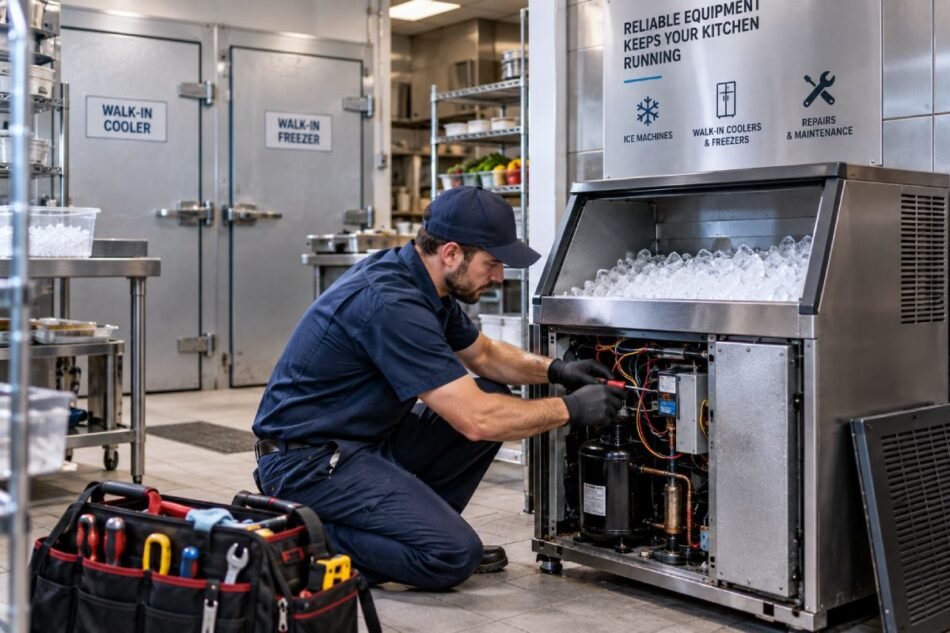
Commercial ice machines are essential for restaurants, hotels, cafes, bars, healthcare facilities, catering companies, and other businesses that depend on a steady supply of ice. When an ice machine starts producing less ice, makes unusual sounds, or stops working completely, the problem can quickly affect daily operations.
If you need an ice machine fix, understanding the common causes can help you recognise problems early and know when professional service is necessary. The original article also highlights the importance of professional commercial kitchen appliance repair, preventive maintenance, and early attention to equipment problems.
Why Is a Reliable Ice Machine Important?
A commercial ice machine can operate for long hours and produce large quantities of ice every day. This constant workload puts pressure on components such as water systems, controls, condensers, pumps, filters, and other internal parts.
A small issue can gradually become a larger equipment failure. Reduced ice production, poor ice quality, unusual noises, or water leaks should therefore not be ignored.
Professional ice machine fix services can help identify the actual cause of the problem and determine whether cleaning, adjustment, component replacement, or other repair is required.
1. Check for Reduced Ice Production
One of the most common signs of an ice machine problem is reduced production.
If the machine normally produces a consistent amount of ice but suddenly starts making less, several issues may be responsible. Restricted water flow, mineral buildup, dirty components, condenser problems, temperature issues, or faulty controls can all affect production.
Before assuming the machine needs to be replaced, a professional technician can inspect the equipment and identify the source of the reduced output.
2. Look for Mineral Buildup and Scale
Commercial ice machines require a clean water supply to operate properly. Over time, minerals and scale can accumulate inside water lines and machine components.
This buildup can affect water flow and interfere with normal ice production. It may also affect the quality and appearance of the ice.
Regular cleaning and maintenance can help reduce mineral accumulation. Businesses should follow the manufacturer’s cleaning recommendations and arrange professional service when buildup becomes difficult to manage.
3. Pay Attention to Unusual Sounds
Commercial ice machines make normal operating sounds, but sudden changes should be investigated.
Grinding, buzzing, clicking, rattling, or other unusual sounds may indicate an issue with a motor, fan, pump, compressor, or another component.
Ignoring unusual sounds may allow a small mechanical problem to develop into a more expensive repair. A technician can inspect the machine and determine whether a component is worn, loose, or malfunctioning.
4. Check for Water Leaks
Water around an ice machine can indicate a drainage problem, blocked line, loose connection, damaged component, or another issue.
A leak should not be ignored, especially in a busy commercial kitchen. Standing water can create slippery floors and interfere with normal operations.
If you notice repeated leaks, turn your attention to the source rather than simply cleaning the water. Professional inspection can help determine why the leak is occurring.
5. Consider the Condenser and Airflow
The condenser plays an important role in the refrigeration process. If dirt, dust, or debris restricts airflow around the condenser, the machine may have to work harder to maintain proper operating conditions.
Restricted airflow can contribute to poor performance and increased strain on components.
Keeping the surrounding area clean and allowing adequate airflow can support normal operation. Professional maintenance can also include inspection and cleaning of relevant components.
When Should You Schedule an Ice Machine Fix?
Not every small performance change means the equipment has completely failed. However, certain warning signs deserve professional attention.
Consider arranging service if:
- Ice production has noticeably decreased
- The machine stops producing ice
- Ice quality or shape changes unexpectedly
- The machine makes unusual noises
- Water is leaking around the equipment
- The unit repeatedly stops or restarts
- Ice production takes significantly longer than normal
- The machine develops heavy mineral buildup
- The equipment requires frequent resets
Addressing these issues early may help prevent an unexpected shutdown during a busy service period.
Walk-In Coolers and Freezers Need Attention Too
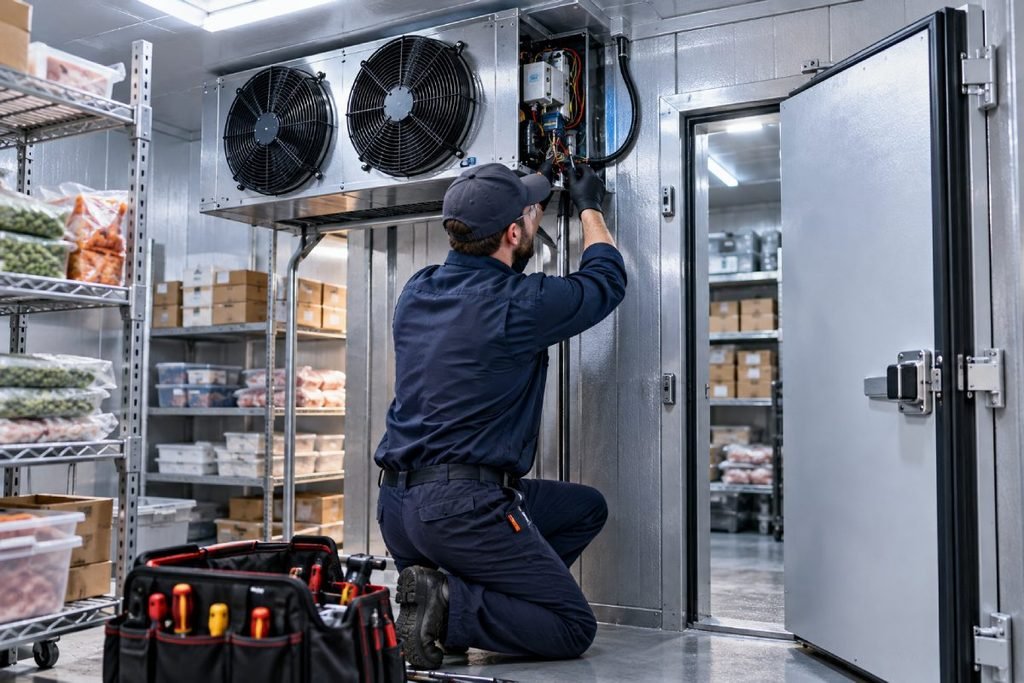
Restaurants and other food businesses rarely depend on just one piece of refrigeration equipment. Along with ice machines, they may operate walk-in coolers, freezers, reach-in refrigerators, prep tables, and other commercial refrigeration systems.
For businesses operating in Washington, searching for walk-in cooler repair in Seattle can help identify service providers familiar with commercial refrigeration requirements in the area.
A walk-in cooler that struggles to maintain temperature, develops excessive frost, leaks water, or runs continuously may require professional inspection.
Similarly, walk-in freezer repair may be necessary when a freezer develops heavy ice buildup, temperature fluctuations, unusual noises, or other performance issues.
Keeping all refrigeration equipment properly maintained can help businesses protect inventory and avoid unnecessary interruptions.
How Does Preventive Maintenance Help?
Waiting until an appliance completely stops working can create significant problems for a commercial kitchen. Preventive maintenance allows technicians to inspect equipment before a major breakdown occurs.
Depending on the appliance, maintenance may include cleaning components, checking electrical connections, inspecting controls, examining temperature settings, checking water flow, evaluating airflow, and identifying worn parts.
The source article recommends preventive maintenance because regular inspections can help identify wear and performance problems before they create unexpected downtime.
Maintenance records can also be useful. Keeping track of repairs, cleaning, component replacements, and recurring problems gives technicians a better understanding of the equipment’s service history.
Choosing a Professional Ice Machine Service Provider
When searching for an ice machine fix, look for a company with experience with commercial equipment, not just residential appliances.
Restaurants and other food-service businesses often depend on multiple types of equipment. Working with a provider that understands commercial refrigeration and kitchen equipment can make it easier to address related problems.
Commercial Refrigeration Specialists Inc can be considered when evaluating commercial refrigeration service options. Businesses should ask about the types of ice machines serviced, response times, maintenance options, and experience with commercial kitchen environments.
A provider such as Commercial Refrigeration Specialists Inc may also be useful for businesses that need assistance with refrigeration equipment beyond their ice machine.
For businesses managing multiple refrigeration systems, having a dependable service relationship can make it easier to respond when an unexpected problem occurs. Commercial Refrigeration Specialists Inc can be one option businesses evaluate when comparing commercial refrigeration service providers.
What About Other Commercial Kitchen Appliances?
Ice machines are only one part of a commercial kitchen. Restaurants also rely on refrigerators, freezers, ovens, ranges, dishwashers, warming equipment, mixers, and other appliances.
A problem with one appliance can affect the workflow of the entire kitchen. For example, a dishwasher that does not clean or drain properly can slow down food service, while a refrigerator that cannot maintain temperature may put stored ingredients at risk.
Professional commercial kitchen appliance repair can help businesses identify equipment problems and determine whether repair, component replacement, maintenance, or replacement is appropriate.
5 FAQs About Ice Machine Repair
1. Why is my commercial ice machine not making enough ice?
Reduced ice production can result from restricted water flow, mineral buildup, dirty components, condenser problems, temperature issues, or faulty controls. A professional inspection can help identify the specific cause.
2. How often should a commercial ice machine be cleaned?
Cleaning frequency depends on the equipment, water quality, operating conditions, and manufacturer recommendations. High-use commercial machines may require more frequent cleaning and inspection.
3. Can a dirty condenser affect ice production?
Yes. Dirt and debris can restrict airflow and make the refrigeration system work harder. Cleaning and maintaining the condenser can help support proper equipment performance.
4. When should I call for an ice machine fix?
Consider professional service when production drops, the machine stops making ice, unusual noises develop, water leaks appear, or the machine repeatedly requires resets.
5. Should I repair or replace my commercial ice machine?
The decision depends on the machine’s age, condition, repair cost, breakdown history, and expected remaining service life. A qualified technician can inspect the equipment and explain the available options.
Final Thoughts
A dependable ice machine is an important part of many commercial kitchens and food-service businesses. Reduced ice production, unusual noises, water leaks, mineral buildup, and other changes can indicate that the equipment needs attention.
If you notice these warning signs, arranging an ice machine fix early can help reduce downtime and keep your business operating smoothly. Regular maintenance, professional inspections, and timely repairs can also support the performance of other essential equipment, including walk-in coolers and freezers.
Whether you need walk-in cooler repair in Seattle, walk-in freezer repair, or commercial ice machine service, choosing an experienced commercial equipment provider can help keep your refrigeration systems running reliably.


