 WhatsApp Us Now
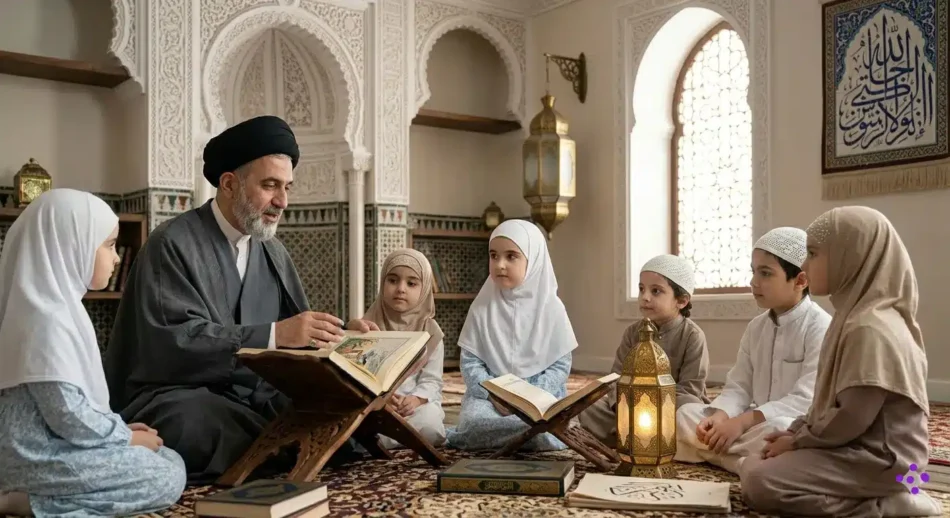
Ziaraat and Ahlulbayt Teachings bring together Islamic history, remembrance, spirituality, and lessons about personal character. For many Muslims, visiting places connected with the Ahlulbayt is a way to remember respected personalities, learn about their historical circumstances, and dedicate time to prayer and reflection.
The meaning of a Ziaraat journey can become deeper when visitors understand the history of the destination and consider how the values associated with the Ahlulbayt can influence their own lives.
Discovering the Meaning Behind Ziaraat
Ziaraat generally refers to making a respectful visit. In religious settings, it may involve visiting locations associated with important figures or events.
For many people, the journey provides a break from ordinary routines. It can create time for remembrance, prayer, reading, and quiet thought.
The experience may be personal, educational, historical, or a combination of all three.
Learning About the Household of the Prophet
The Ahlulbayt refers to the household of Prophet Muhammad (PBUH). Their history has been preserved and discussed by Muslim scholars and communities over many generations.
Their lives are commonly studied in connection with faith, knowledge, courage, patience, generosity, and commitment to moral principles.
Understanding this history can provide visitors with greater context when they visit associated religious locations.
The Importance of Intention
A meaningful religious journey begins with sincere intention. Before traveling, a person can think about what they hope to learn or reflect upon.
The purpose may include remembering respected figures, learning about Islamic history, spending time in prayer, or seeking personal improvement.
Having a clear intention can help visitors remain focused during the journey.
Ziaraat and Spiritual Awareness
A change of environment can provide an opportunity for spiritual awareness. Visiting a significant location may encourage people to slow down and think about matters that are sometimes overlooked during busy daily life.
Visitors can reflect on their relationship with Allah, their responsibilities toward family, and their treatment of other people.
Lessons From Historical Experiences
The history connected with the Ahlulbayt contains many events that have been remembered for generations. Studying these experiences can encourage reflection on how people respond to difficult circumstances.
Historical lessons can also remind visitors that values such as patience and responsibility are relevant in every generation.
Patience in Daily Challenges
Patience is an important quality often associated with discussions about the Ahlulbayt. In everyday life, patience can help people handle disagreements, setbacks, and uncertainty.
Practicing patience does not mean ignoring problems. It can involve dealing with difficulties calmly, seeking appropriate solutions, and avoiding harmful reactions.
Knowledge and Understanding
Learning is an important part of understanding religious traditions. Visitors can improve their Ziaraat experience by studying the history of the destination before arriving.
Reading from reliable sources can help people understand the difference between historical information, religious interpretation, and local cultural traditions.
Compassion and Social Responsibility
Spiritual learning can encourage people to become more aware of the needs of others. Compassion may be expressed through charity, helping family members, supporting neighbors, or assisting people experiencing hardship.
The values remembered through the Ahlulbayt can therefore inspire practical actions within communities.
Honesty and Trustworthiness
Honesty is a quality that can strengthen both personal and professional relationships. A person who values truthfulness can apply it when communicating with family, conducting business, studying, or working.
Reflecting on religious teachings can provide an opportunity to examine whether everyday decisions are consistent with one’s stated values.
Respecting Sacred Spaces
Ziaraat locations deserve respectful treatment. Visitors should follow the instructions provided at each location and remain considerate toward other people.
Simple actions such as keeping the surroundings clean, avoiding unnecessary noise, and protecting historical structures can contribute to the preservation of these places.
Ziaraat as a Family Experience
Families can use Ziaraat as an opportunity for shared learning. Parents can explain the background of important locations and discuss the lives of the personalities connected with them.
Young people can be encouraged to ask questions and learn about values such as courage, kindness, patience, honesty, and service.
Combining Travel With Learning
A Ziaraat journey can also introduce visitors to the cultural heritage surrounding a destination. Architecture, local traditions, historical sites, and community practices can provide additional context.
Respectful travel allows visitors to appreciate these features without losing sight of the religious and historical importance of the journey.
Continuing the Lessons After Ziaraat
The most lasting part of a spiritual journey may be what a person does after returning home. Visitors can continue reading, discussing what they learned, and thinking about practical changes.
For example, they may decide to spend more time with family, help others more often, practice greater patience, or improve their commitment to personal responsibilities.
Frequently Asked Questions
What is Ziaraat?
Ziaraat generally means making a respectful visit. In Islamic traditions, it can refer to visiting places connected with respected religious figures and remembering their lives and legacy.
What does Ahlulbayt mean?
Ahlulbayt refers to the household of Prophet Muhammad (PBUH). Their lives and historical legacy are important subjects of study within Islamic tradition.
Why is historical knowledge useful during Ziaraat?
Understanding the background of a destination helps visitors appreciate why it is significant and provides context for the people and events associated with the location.
What values can people reflect on during Ziaraat?
People may reflect on faith, patience, honesty, courage, compassion, generosity, humility, justice, and responsibility.
How can someone continue learning after Ziaraat?
Visitors can read reliable historical and religious resources, attend educational discussions, consult qualified scholars, and reflect on how positive values can be practiced in everyday life.
Conclusion
Ziaraat and Ahlulbayt Teachings offer a meaningful way to connect Islamic history with spiritual reflection and personal development. Visiting significant locations can encourage people to learn about the past while considering values that remain relevant today. Through patience, honesty, compassion, knowledge, and respect, the lessons associated with the Ahlulbayt can be reflected in everyday actions. A thoughtful Ziaraat experience can therefore extend beyond the physical journey and become part of a person’s continuing process of learning and reflection.


