 WhatsApp Us Now
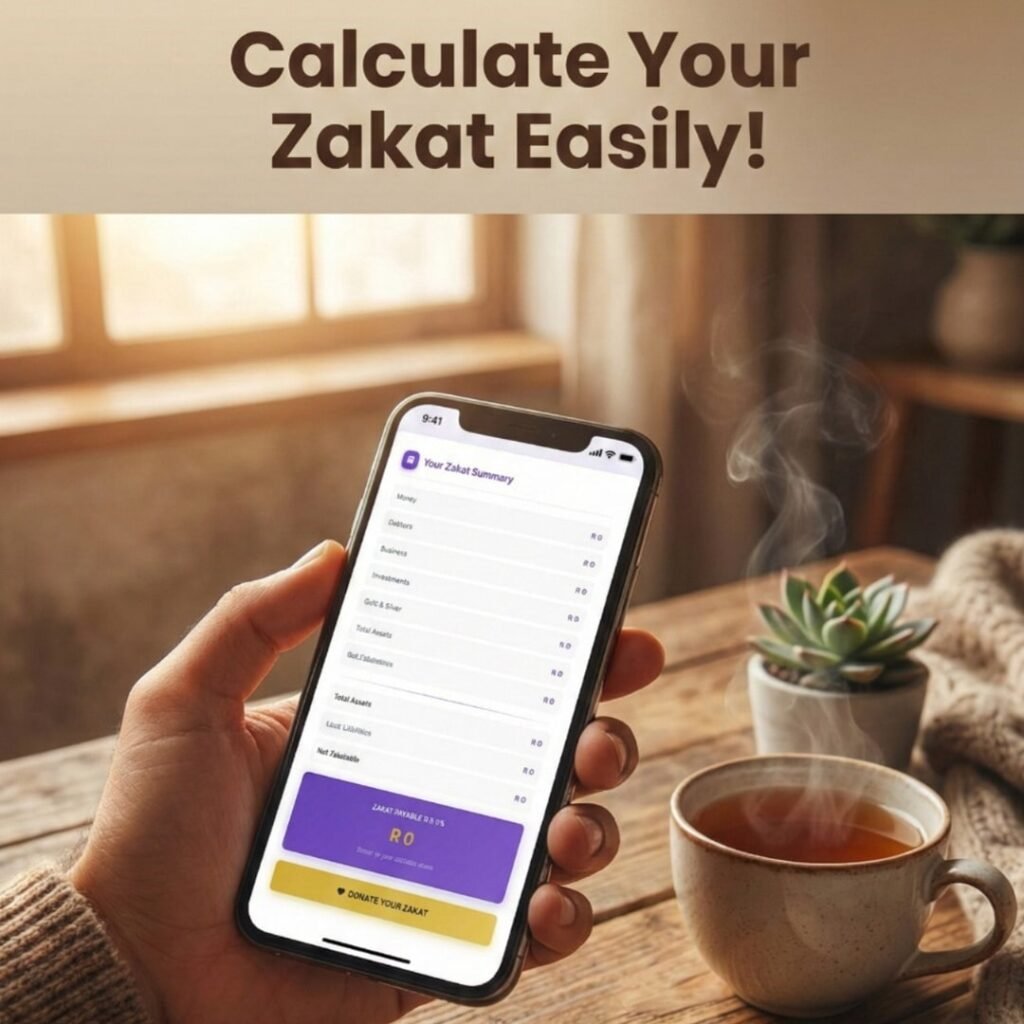
Zakaat, also commonly written as Zakat, is one of the five pillars of Islam. It is a form of obligatory charity that eligible Muslims pay from their wealth to support people who are entitled to receive it. Understanding how to calculate Zakat is important because it helps Muslims fulfil this religious obligation accurately and responsibly.
With different types of assets such as cash, savings, gold, silver, investments, and business wealth, calculating Zakat can sometimes seem complicated. Fortunately, understanding the basic principles makes the process much easier.
What Is Zakaat?
Zakaat is an obligatory payment on certain types of wealth when a Muslim meets the required conditions. It is not simply a voluntary donation. It is an act of worship and one of the fundamental obligations in Islam.
The purpose of Zakaat includes helping those in need, purifying wealth, encouraging generosity, and strengthening the community.
The Qur’an mentions Zakat alongside prayer in several places, highlighting its importance in Islamic life.
Who Needs to Pay Zakat?
Zakat generally becomes obligatory for a Muslim when their eligible wealth reaches or exceeds the Nisab threshold and the applicable conditions are fulfilled.
The exact rules can vary depending on the type of asset and the Islamic school of thought or scholarly opinion followed.
Common types of wealth that may be considered when calculating Zakat include:
- Cash and savings
- Gold and silver
- Business inventory
- Certain investments
- Trade assets
- Money owed to you
- Other qualifying financial assets
Personal belongings used for normal living, such as your home, clothing, and everyday household items, are generally not included as Zakatable wealth.
What Is Nisab?
Before learning how to calculate Zakat, it is important to understand Nisab.
Nisab is the minimum amount of qualifying wealth a person must possess for Zakat to become obligatory, subject to the applicable conditions.
Nisab is traditionally based on a specified quantity of gold or silver. Since the market prices of gold and silver change, the monetary value of Nisab can also change.
When calculating Zakaat, make sure you use an appropriate and current Nisab value.
How to Calculate Zakat
For many types of Zakatable wealth, the commonly used Zakat rate is 2.5%.
The basic calculation can be expressed as:
Zakat = Net Zakatable Wealth × 2.5%
For example, suppose your eligible Zakatable wealth is R100,000.
Your calculation would be:
R100,000 × 2.5% = R2,500
In this example, the estimated Zakat due would be R2,500.
However, calculating Zakat is not always as simple as multiplying your total money by 2.5%. You first need to identify which assets are Zakatable and consider applicable deductions according to the method you follow.
Step-by-Step Guide: How to Calculate Zakat
1. Determine Your Zakat Date
First, identify the date on which you normally calculate your annual Zakat. Many people use a lunar-year cycle for their Zakat calculation.
If you have never calculated Zakat before, a qualified Islamic scholar can help you determine the appropriate date and method.
2. List Your Zakatable Assets
Make a complete list of your qualifying wealth.
This may include:
- Money in your bank accounts
- Cash you have available
- Gold and silver
- Business inventory
- Certain investments
- Money owed to you
- Other qualifying assets
Keeping a written list can make the calculation easier and reduce the possibility of forgetting an asset.
3. Calculate the Current Value
Determine the current value of each Zakatable asset.
For example, if you own gold, determine its current market value rather than relying only on the price you originally paid.
Similarly, calculate the current value of qualifying business inventory and other applicable assets.
4. Consider Applicable Debts and Liabilities
Depending on the Islamic ruling or calculation method you follow, certain immediately payable debts or liabilities may be deducted.
Because rules regarding deductions can differ, seek advice from a knowledgeable Islamic scholar if you are uncertain.
5. Check Whether You Meet Nisab
After calculating your relevant wealth and applicable deductions, compare the amount with the appropriate Nisab threshold.
If your qualifying wealth meets the required conditions, Zakat may be due.
6. Apply the Zakat Rate
For many financial assets, the commonly used rate is 2.5%.
For example:
Net Zakatable Wealth = R200,000
Zakat = R200,000 × 2.5%
Zakat = R5,000
Therefore, the estimated Zakat payable would be R5,000.
How to Calculate Zakat on Gold
Gold is an important consideration for many Muslims when calculating Zakaat.
If you own gold, determine its current value and consider whether it should be included according to the circumstances and scholarly opinion you follow.
For example, if qualifying gold is valued at R80,000:
R80,000 × 2.5% = R2,000
The estimated Zakat on that amount would therefore be R2,000.
There are different scholarly views regarding personal gold jewellery, so if you are unsure whether your jewellery is subject to Zakat, consult a trusted scholar.
How to Calculate Zakat on Savings
Cash and savings are commonly considered in Zakat calculations when the relevant conditions are met.
Suppose you have:
- R40,000 in savings
- R20,000 in cash
- R40,000 in another eligible account
Your total would be:
R40,000 + R20,000 + R40,000 = R100,000
At 2.5%:
R100,000 × 2.5% = R2,500
Your estimated Zakat would be R2,500, before considering any applicable deductions or other assets.
Use a Zakat Calculator
If you have multiple assets, manually calculating Zakat can become difficult. An online Zakat Calculator can help simplify the process.
A Zakat calculator can help you organise information about:
- Cash
- Savings
- Gold
- Silver
- Investments
- Business assets
- Other qualifying wealth
It can also make the mathematical calculation easier once you have determined which assets should be included.
Why Is Calculating Zakaat Important?
Calculating Zakaat correctly is important because it helps you fulfil an important Islamic obligation.
Accurate calculation can help you:
- Understand your Zakat obligation
- Avoid accidentally underpaying
- Avoid unnecessary overpayment
- Organise your finances
- Support eligible recipients
- Fulfil your religious responsibility with confidence
Zakaat also encourages Muslims to remember the needs of others and use their wealth in a way that benefits the wider community.
Who Can Receive Zakat?
Islam specifies categories of people who may receive Zakat. These include people who are poor or needy and other categories identified in Islamic teachings.
When paying Zakat, it is important to ensure that the recipient is eligible. If you are donating through an organisation, choose a trustworthy charity with appropriate Zakat distribution practices.
Zakaat in South Africa
Muslims in South Africa may calculate Zakaat using South African rand and may have different types of assets, including savings, gold, investments, and business wealth.
When calculating your Zakat, use current asset values and an appropriate Nisab threshold. If your financial circumstances are complex, consulting a qualified scholar can help you follow the appropriate Islamic guidance.
Frequently Asked Questions About Zakaat
What is Zakaat?
Zakaat is an obligatory form of charity in Islam that eligible Muslims pay from qualifying wealth when the relevant conditions are met.
How do I calculate Zakat?
First calculate your qualifying Zakatable wealth, consider applicable deductions, check whether you meet Nisab, and then apply the relevant Zakat rate. For many types of wealth, the commonly used rate is 2.5%.
Is Zakat always 2.5%?
For many types of monetary and trade wealth, 2.5% is the commonly used rate. However, different types of assets can have different rules, so specific circumstances should be checked with a qualified scholar.
What is Nisab?
Nisab is the minimum threshold of qualifying wealth at which Zakat becomes obligatory, subject to the applicable conditions.
Do I pay Zakat on savings?
Savings may be subject to Zakat when the relevant conditions are met, including the applicable Nisab and time requirements.
Do I pay Zakat on gold?
Gold may be subject to Zakat depending on its type, use, value, and the scholarly opinion followed. If you are uncertain about jewellery or other gold assets, seek qualified Islamic guidance.
Can an online Zakat calculator calculate my Zakat?
An online Zakat calculator can help with the mathematical side of the calculation. However, you are responsible for entering accurate information and determining which assets and deductions apply according to the Islamic guidance you follow.
Calculate Your Zakaat Today
Understanding how to calculate Zakat allows you to approach your Zakaat obligation with greater confidence. By identifying your qualifying assets, checking the Nisab, considering applicable deductions, and applying the appropriate rate, you can estimate the amount of Zakat you need to pay.
For a convenient calculation, use the Ashraful Aid Zakat Calculator to help organise your information and estimate your Zakat.
Calculate your Zakaat, fulfil your obligation, and help support those in need.


