 WhatsApp Us Now
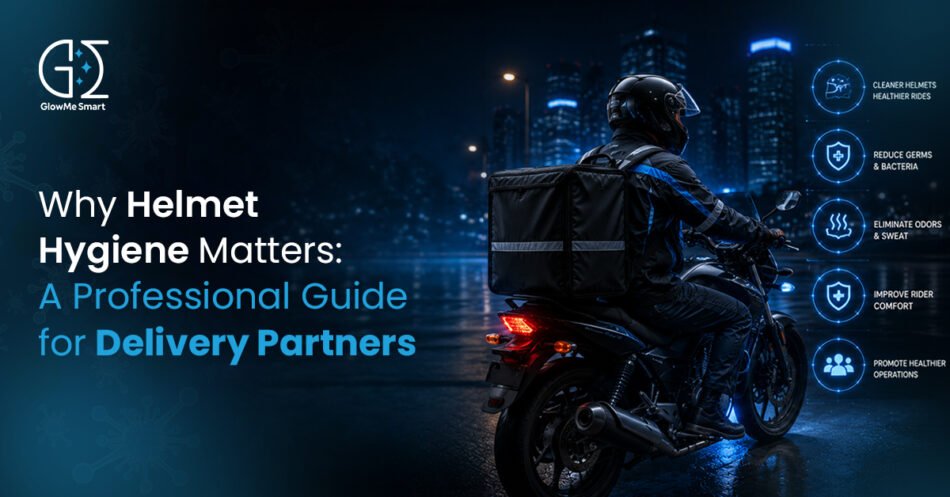
Many people think the Helmet Maintenance and Safety Guide is essential for those in distribution services. Helmets are tools that are used all the time. This helmet is used in busy traffic areas, hot weather, rainy conditions, dry soil, collection spots, and where buyers live. The helmet stays in contact with the hair-skin area, the forehead, the sides of the face, the chin strap, and the hairline for several hours each day. Neglecting cleanliness leads to a bad smell in the padding. The holding bands become sticky, making the helmet hard to use. Experts say that helmet care offers physical protection, body comfort, and inner strength for travelers.
Importance of Helmet Hygiene for Delivery Partners?
Individuals who perform delivery tasks use helmets with heavy force compared to common travelers. Experts say workers frequently remove their helmets. This causes sweat, rain, and dirt to build up inside. Soft internal material gathers liquid and smells, while the hard external layer collects soil from the path and signs of the climate.
The importance of helmet maintenance is seen as significant when personal cleanliness and protection on the path are considered. Most experts believe that the best way to clean a delivery rider helmet is to keep the soft internal material clean, which makes the feeling of wearing better. Because a tight fastening part increases the safety of the head, the person stays safe. When the transparent eye shield is clean, the ability to see the path increases for the individual. Frequent inspection of a helmet allows individuals who perform delivery tasks to avoid equipment that is broken.
Helmet Hygiene Is More Than Surface Cleaning
The cleaning of the outer surface is beneficial, even though this action alone does not fulfill the requirement for helmet care. Experts claim that the most significant hygiene problems reside within the padding, liner, straps, and air holes. Hygiene problems often occur inside the helmet. The liner and ventilation areas gather dirt and other impurities.
- Outer shell cleaning: Removing debris from the road, food marks, and marks from rain is achieved when the external surfaces are wiped. This activity clears the dirt that people see on the helmet surfaces during their daily work.
- Inner liner care: When the interior section is maintained, the smell and the moisture that are trapped are reduced. Inner liner care benefits low-income workers on long shifts. Sweat can make fabric uncomfortable against the skin.
- Strap hygiene: Cleaning the straps ensures the area near the chin remains sanitary. Strap hygiene is necessary because these components touch the face, dust, and sweat many times during the day.
- Visor cleaning: A rider can see the road better during the night, in the rain, or when the light is low if the visor is clear. Cleaning the visor helps with safe driving. It improves visibility in traffic.
- Drying discipline: If the damp liners are dried properly, the smell is prevented from staying in the material. Drying discipline ensures the helmet does not become uncomfortable after a person has worked for many hours.
Helmet Inspection Checklist for Daily Use
Transportation associates find problems with a simple Helmet inspection checklist. They use it before the trip starts. Most users claim that a Helmet inspection checklist allows for safer travel. The outside may look fine, but there can be damage inside. Here are a few Helmet hygiene tips that help disinfect straps, cushioning, visor hinges, buckles, and internal fit for issues. Because safety matters, the Helmet inspection checklist must be completed thoroughly.
Check these points before every shift:
- Shell condition: Fissures, dents, deep scratches, or impact marks are examined by the user before starting any delivery route.
- Chin strap: Distributing individuals check that the strap locks tightly. A loose strap can lower security during sudden movement. It has been observed that a secure strap prevents injuries.
- Buckle function: We test the opening and locking mechanisms. This ensures the helmet stays secure during the entire work period.
- Inner Padding: Riders should check for any torn, flattened, damp, loose, or uncomfortable cushioning before today’s ride.
- Visor clarity: Users can easily wipe away smudges, scratches, fog, and dirt that impact highway assessments. Many people believe that clear vision reduces accidents.
- Helmet fit: Distributing individuals replace or adjust equipment that moves loosely, tilts easily, or feels unstable while riding.
Helmet Maintenance Checklist for Riders
A simple Helmet maintenance checklist for riders helps delivery partners build repeatable habits without slowing work. The goal is to keep the helmet usable, dry, clear, and safe through daily routes.
Daily helmet care should include:
- Wipe after routes: Use a soft cloth to remove dust, sweat marks, and rain residue daily.
- Clean the visor: Use gentle cleaning so scratches do not disturb night, rain, or traffic vision.
- Air the helmet: Keep it open after use so heat and moisture can escape naturally.
- Avoid helmet storage: Do not keep gloves, food packets, wet cloth, or receipts inside helmets.
Weekly helmet care should include:
- Wash removable liners: Clean only washable liners and dry them fully before reinstalling them inside the helmet.
- Check fittings: Review straps, padding, vents, visor screws, and hinges for looseness or damage weekly.
- Dry in shade: Avoid harsh heat because excessive temperature can damage liner materials and glue.
- Schedule disinfection: Use enclosed kiosk disinfection when odour, sweat, or shared helmet usage increases regularly.
Where Do UV Helmet Disinfection Machine Solutions Fit?
Hand-wiping offers minor help, even though delivery helmets need deep care that goes beyond simple cleaning. Delivery helmets gather perspiration, dampness, and scents because of constant daily activity. Delivery helmets are often used by transport groups, leading to hygiene issues. These problems aren’t easily fixed by hand. Experts say delivery helmets at rider centers have problems. Manual rubbing doesn’t get rid of deep dirt.
Transportation personnel often stop at places like petrol stations or office parking. These locations are ideal for UV helmet disinfection machine services. The UV helmet disinfection machine is placed at dealerships and collection areas. This helps transportation staff while they wait. A special enclosed process using UV-C, ozone, and warm air drying is performed by the GlowMe Smart HelmeTron. It has been observed that the UV helmet disinfection machine makes delivery helmets feel fresh and dry for the individual. The UV helmet disinfection machine uses steam and cooling so that delivery helmets are ready to be worn again immediately.
Why Delivery Businesses Should Support Helmet Hygiene
Delivery platforms, grocery operators, cloud kitchens, courier companies, fleet owners, and logistics teams depend on rider discipline and comfort. A rider using a damp or smelly helmet starts the shift with avoidable discomfort.
- Rider comfort: Cleaner, drier helmets make long work hours more manageable during heat and traffic.
- Professional appearance: Maintaining helmets helps riders look organised when meeting customers and entering business locations.
- Shared gear control: Fleet helmets can be treated before reuse, reducing discomfort and hygiene complaints.
- Lower manual pressure: Kiosks reduce repeated hand cleaning during rush hours, shift changes, and returns.
Common Helmet Maintenance Mistakes to Avoid
Delivery partners should avoid shortcuts that damage materials or reduce comfort. Cleaning must protect the helmet, not weaken it.
- Avoid harsh chemicals: Strong cleaners can leave residue, smell, or irritation near skin-contact areas inside.
- Avoid unsafe drying: Do not use direct flames, heaters, or excessive sunlight on helmet liners.
- Do not ignore damage: Loose straps, cracked shells, and weak buckles should never be overlooked.
- Replace after impact: A helmet involved in a serious crash needs replacement or expert review.
How GlowMe Smart Supports Helmet Hygiene in India
GlowMe Smart understands the conditions faced by Indian motorcycle riders. They deal with heat, humidity, monsoon rain, and dust. Long shifts and heavy use of two-wheelers add to their challenges. Many think the HelmeTron kiosk offers Helmet Disinfection Solutions in India. It was built for businesses where many people pass through the same area daily. Experts say GlowMe Smart helps in many places. These include distribution centers, vehicle groups, gas stations, offices, stores, and motorcycle communities. It sets up automatic disinfection points for helmets. Making helmet care more rapid, perceptible, consistent, and less complex to manage remains the simple goal of GlowMe Smart.
Make helmet hygiene easier for your delivery team. Speak with GlowMe Smart about kiosk-based disinfection solutions built for daily rider movement.


