 WhatsApp Us Now
Maintaining high standards of cleanliness is one of the most important responsibilities of every healthcare facility in the UK. Whether it is a hospital, GP surgery, dental clinic, nursing home, or private healthcare centre, cleanliness directly affects patient safety, staff wellbeing, and regulatory compliance. Poor hygiene can increase the risk of healthcare-associated infections (HCAIs), damage an organisation’s reputation, and even result in enforcement action by the Care Quality Commission (CQC).
The CQC is responsible for regulating healthcare services across England, ensuring that providers deliver safe, effective, caring, responsive, and well-led services. One of the major areas inspectors assess is how healthcare environments are cleaned, maintained, and managed to minimise infection risks.
Understanding CQC cleaning standards is essential for healthcare providers that want to remain compliant while creating safe environments for patients and employees. Professional cleaning companies also play a significant role in helping healthcare organisations meet these expectations through specialised cleaning procedures, trained staff, and strict quality control.
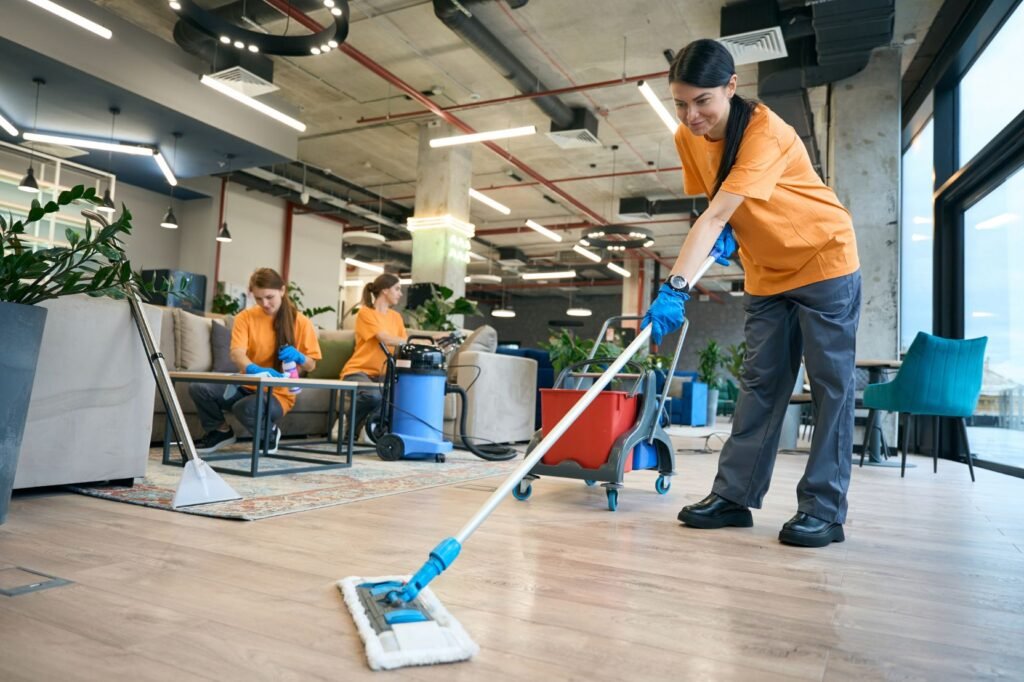
What Are CQC Cleaning Standards?
The Care Quality Commission sets expectations that healthcare providers must meet under the Health and Social Care Act 2008 (Regulated Activities) Regulations 2014. While the CQC does not prescribe a single cleaning method for every healthcare setting, it expects organisations to maintain environments that are clean, hygienic, safe, and suitable for patient care.
Inspectors evaluate how providers:
- Prevent and control infections
- Maintain cleaning schedules
- Train cleaning staff
- Handle waste safely
- Monitor hygiene performance
- Respond to infection risks
- Maintain equipment cleanliness
Every healthcare organisation should demonstrate that cleanliness is part of its overall infection prevention strategy rather than simply a housekeeping function.
Why Cleaning Matters in Healthcare
Unlike commercial offices or retail spaces, healthcare environments contain vulnerable individuals with weakened immune systems. Even small lapses in hygiene can contribute to the spread of dangerous bacteria and viruses.
Healthcare-associated infections can lead to:
- Longer hospital stays
- Increased treatment costs
- Delayed recovery
- Additional pressure on NHS resources
- Serious health complications
Regular and effective cleaning reduces these risks significantly while helping healthcare providers maintain compliance with national regulations.
Key Areas CQC Inspectors Assess
Healthcare providers should understand the areas inspectors commonly review during inspections.
Infection Prevention and Control
Infection prevention remains one of the highest priorities during CQC inspections. Inspectors expect organisations to have robust cleaning procedures that reduce contamination risks throughout the facility.
This includes:
- Daily cleaning schedules
- Enhanced cleaning for high-risk areas
- Colour-coded cleaning equipment
- Appropriate disinfectants
- Hand hygiene facilities
- Regular monitoring
Healthcare providers must also demonstrate that cleaning procedures are consistently followed rather than simply documented.
High-Touch Surface Cleaning
Frequently touched surfaces require particular attention because they can easily spread harmful microorganisms.
These surfaces include:
- Door handles
- Handrails
- Lift buttons
- Reception desks
- Medical equipment
- Chairs
- Bed rails
- Light switches
Cleaning frequencies should reflect the level of risk associated with each area.
Safe Waste Management
Healthcare facilities generate various waste streams that require careful handling.
Examples include:
- Clinical waste
- Sharps
- General waste
- Pharmaceutical waste
- Confidential waste
Waste should be segregated correctly, stored safely, and removed promptly to minimise contamination risks.
Staff Training
Even the best cleaning procedures are ineffective without properly trained staff.
Cleaning personnel should understand:
- Infection control principles
- Chemical safety
- PPE requirements
- Cleaning frequencies
- Spill response procedures
- Cross-contamination prevention
Ongoing refresher training ensures standards remain consistently high.
Cleaning Documentation
One area many organisations overlook is documentation.
Healthcare providers should maintain records for:
- Daily cleaning checklists
- Deep cleaning schedules
- Staff training
- Equipment maintenance
- Infection incidents
- Quality inspections
- Audit findings
Accurate documentation provides evidence during CQC inspections that cleaning standards are being maintained consistently.
The Importance of Risk-Based Cleaning
Different healthcare areas require different cleaning frequencies.
For example:
High-risk areas include:
- Operating theatres
- Intensive care units
- Isolation rooms
- Treatment rooms
Medium-risk areas include:
- Consultation rooms
- Waiting areas
- Corridors
Lower-risk areas may include:
- Administrative offices
- Meeting rooms
A risk-based cleaning schedule helps allocate resources where they are needed most.
Healthcare Cleaning Is Different from Standard Commercial Cleaning
Many people assume healthcare cleaning simply involves more frequent cleaning, but the reality is far more complex.
Healthcare cleaners must understand:
- Infection control procedures
- Clinical environments
- Approved disinfectants
- Cleaning sequences
- Safe disposal procedures
- Medical regulations
Professional healthcare cleaning requires specialist knowledge, training, and continuous monitoring.
The Role of Professional Cleaning Companies
Many healthcare providers choose to partner with experienced cleaning specialists to ensure compliance with CQC expectations.
Companies with healthcare expertise provide:
- Trained cleaning teams
- Quality assurance inspections
- Specialist cleaning equipment
- Infection control knowledge
- Flexible cleaning schedules
- Emergency response services
For organisations looking for reliable Commercial Cleaning Services Ipswich, working with an experienced provider helps ensure that cleaning programmes meet both operational requirements and regulatory expectations.
Technology Is Improving Healthcare Cleaning
Modern healthcare cleaning has evolved significantly.
Today’s professional cleaning providers increasingly use:
- Microfibre technology
- Colour-coded systems
- Electrostatic disinfection
- ATP hygiene testing
- Digital cleaning records
- QR code inspections
These innovations improve cleaning consistency while providing measurable evidence of hygiene performance.
Common Mistakes That Affect CQC Compliance
Healthcare organisations sometimes struggle during inspections due to avoidable issues such as:
- Incomplete cleaning records
- Poor staff training
- Missed cleaning schedules
- Dirty equipment
- Cross-contamination
- Inadequate supervision
- Damaged surfaces that cannot be cleaned properly
Regular internal audits help identify problems before inspections take place.
Preparing for a CQC Inspection
Healthcare providers should never wait until an inspection is announced before reviewing cleaning standards.
Preparation should include:
- Reviewing cleaning policies
- Updating risk assessments
- Completing internal audits
- Checking cleaning documentation
- Inspecting high-risk areas
- Refreshing staff training
- Monitoring infection control compliance
A proactive approach helps maintain high standards throughout the year rather than only during inspection periods.
Why Healthcare Facilities Trust Professional Cleaning Providers
Professional cleaning providers understand that healthcare environments demand exceptional attention to detail.
Experienced companies invest in:
- Staff development
- Quality assurance
- Safe cleaning products
- Compliance monitoring
- Specialist equipment
- Regular performance reviews
This expertise helps healthcare organisations focus on patient care while maintaining safe, hygienic environments.
Healthcare organisations searching for dependable Commercial Cleaning Services Ipswich often benefit from partnering with providers that understand healthcare regulations and can tailor cleaning programmes to individual facilities.
How Northgate Facilities Supports Healthcare Organisations
Northgate Facilities provides professional cleaning solutions designed to meet the demanding requirements of healthcare environments. Their experienced teams understand infection prevention, regulatory compliance, and the importance of maintaining consistently clean clinical spaces.
By combining trained professionals, structured cleaning programmes, quality inspections, and modern cleaning techniques, Northgate Facilities helps healthcare providers create safer environments for patients, visitors, and staff.
Whether supporting routine cleaning, deep cleaning programmes, or specialised healthcare environments, the company focuses on delivering reliable services that align with industry best practices. Organisations requiring Commercial Cleaning Services Ipswich can benefit from tailored cleaning solutions that support operational efficiency while helping maintain high hygiene standards.
Conclusion
Meeting CQC cleaning standards is far more than a regulatory requirement—it is a commitment to patient safety, infection prevention, and high-quality healthcare. Clean environments reduce health risks, improve confidence among patients and staff, and demonstrate that healthcare providers take their responsibilities seriously.
Maintaining these standards requires careful planning, trained personnel, thorough documentation, and continuous monitoring. Professional cleaning partners can provide the expertise and structured processes needed to support compliance while allowing healthcare teams to focus on delivering exceptional patient care.
As regulations continue to evolve and expectations around hygiene increase, investing in high-quality cleaning services remains one of the most effective ways for healthcare facilities to protect patients, maintain compliance, and build lasting trust within their communities. Choosing an experienced provider such as Northgate Facilities ensures healthcare environments remain clean, safe, and inspection-ready throughout the year.


