 WhatsApp Us Now
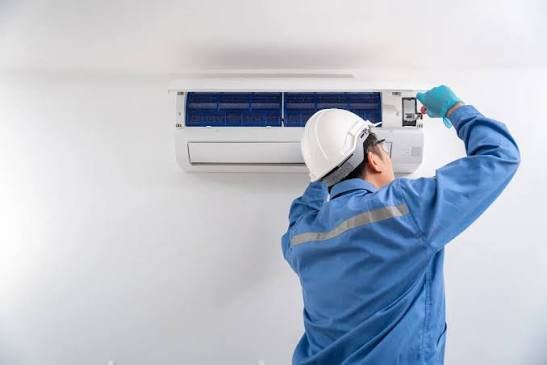
Cold Colorado winters place extreme stress on home heating systems, causing unexpected cracked heat exchangers, failed igniters, and dangerous carbon monoxide leaks during sub-zero cold snaps. An inspection identifies hidden wear, cleans dirty burners, and restores system safety before freezing temperatures hit. Scheduling a professional checkup in early fall prevents sudden middle-of-the-night system failures and keeps energy bills low. This straightforward preventative step guarantees your home stays warm, safe, and efficient all winter long without sudden emergency repair costs.
As an HVAC technician who has spent over a decade working on homes across the Front Range, I have seen what happens when homeowners skip fall maintenance. Last year, I got a call during a severe December freeze from a family whose system completely shut down at two in the morning. When we handle summer cooling calls or perform an ac service denver homeowners often forget that their heating system needs the exact same attention before freezing air rolls over the Rockies. A quick check in October would have caught their clogged condensate line and saved them from spending a freezing night wrapped in blankets.
The Hidden Safety Hazards of an Unchecked Furnace
A furnace that sits unused all summer collects dust, pet hair, and debris on internal components. When the thermostat calls for heat on that first chilly evening, all those collected particles begin to burn off, creating strange odors and air quality issues. More importantly, aging heating units can develop tiny cracks in the metal heat exchanger over time due to constant heating and cooling cycles. If gas burns inside a cracked chamber, toxic carbon monoxide fumes can leak directly into your indoor air without warning.
During my years in the field, I have walked into several homes where carbon monoxide monitors were chirping without the family realizing the true danger. A professional safety check uses specialized diagnostic tools to test gas pressure, inspect exhaust flues, and scan for invisible cracks. Technicians also test safety switches to make sure the unit shuts down automatically if dangerous conditions develop. Taking care of these small issues before snow covers the ground protects your family from life-threatening indoor air hazards.
Boosting System Efficiency and Lowering Energy Bills
When your heating equipment runs with dirty burners or clogged filters, it works much harder than necessary to warm your living space. This extra strain forces the blower motor to draw more electricity while burning additional natural gas to achieve your desired temperature setting. Over the course of a long Rocky Mountain winter, a poorly maintained unit can add hundreds of dollars to your utility statements. Cleaning dust off internal coils and calibrating gas valves allows the unit to run smoothly and efficiently.
Regular maintenance helps keep monthly heating expenses predictable and manageable throughout the coldest months of the year. The table below illustrates how simple seasonal maintenance tasks directly impact system performance and monthly household costs.
| Furnace Component | Problem Without Maintenance | Benefit of Annual Inspection | Impact on Monthly Bills |
| Air Filters | Restricts airflow and causes overheating | Restores full airflow and improves air quality | Reduces energy use by up to 15% |
| Gas Burners | Dirty flames lead to uneven heating | Cleans burners for steady blue flames | Prevents wasted fuel consumption |
| Blower Motor | Dust build-up causes electrical strain | Lubricates parts and clears motor dust | Lowers monthly electrical draw |
| Igniter System | Soot causes ignition delays or failures | Ensures quick and reliable system startup | Eliminates repeated heating cycles |
Key Components Inspected During a Professional Checkup
A real tune-up goes far beyond simply swapping out a dirty air filter in your basement. An experienced technician systematically checks every mechanical and electrical part to ensure the whole system operates correctly under heavy usage. During a typical visit, we focus on specific high-wear components that frequently fail during extreme weather events:
- Heat Exchanger Inspection: Checking the metal combustion chamber for rust, corrosion, or hairline fractures that could vent carbon monoxide into your home.
- Burner and Flame Sensor Cleaning: Removing carbon buildup from igniters and sensors so the flame ignites cleanly and stays lit reliably.
- Electrical Connection Checks: Tightening loose wiring terminals and measuring capacitor voltage to prevent sudden circuit failures.
- Flue Pipe and Vent Testing: Ensuring exhaust gases exit safely through the roof without backdrafting into living areas.
- Thermostat Calibration: Verifying that your wall thermostat accurately reads indoor temperatures and communicates properly with the furnace control board.
Extending the Lifespan of Your Heating Equipment
Buying a new heating system represents a major financial decision for any homeowner in Colorado. Most modern gas furnaces are designed to last between fifteen and twenty years, but only if they receive proper routine care. When I worked with Mountain Breeze Heating during a busy winter season, we constantly saw how lack of basic care cut system lifespans almost in half. Simple issues like restricted airflow force the system to run hotter than designed, causing major mechanical parts to wear out prematurely.
Replacing a heat exchanger or a cracked draft inducer motor out of warranty can cost thousands of dollars in unexpected emergency repairs. Annual checkups catch minor mechanical wear while it is still cheap and easy to fix. Technicians can replace a worn belt or a weak capacitor during a scheduled visit before that part snaps and damages larger components. Think of annual service as an insurance policy that keeps your equipment running smoothly for its full expected lifespan.
Preventing Emergency Breakdowns During Winter Blizzards
Nothing tests an old furnace quite like a severe polar plunge bringing sub-zero temperatures and strong wind gusts across the plains. During extreme cold snaps, heating systems run almost continuously for days at a time to maintain a comfortable indoor environment. If your furnace already has weakened components or clogged gas lines, that continuous stress will cause the entire system to fail right when you need it most. HVAC service companies get flooded with emergency calls during blizzards, leaving unprepared homeowners waiting hours or days for repairs.
Scheduling your checkup during early autumn allows you to stay ahead of the winter rush. You can easily select an appointment time that fits your busy schedule rather than waiting in the cold during an emergency outage. Replacing worn parts before snow falls guarantees peace of mind when the first major winter storm sweeps through your neighborhood.
Preparing Your Home for the Cold Months Ahead
Taking a few practical steps around your house can also help your heating system perform at its absolute best this season. Make sure all warm air supply vents and return air grilles remain open and unblocked by furniture, carpets, or long drapes. Check the batteries in your smoke detectors and carbon monoxide alarms so they give early warning if an unexpected emergency occurs. Keeping your home well insulated by sealing drafts around windows and doors keeps heat inside where it belongs.
Partnering with a trusted local technician ensures your heating equipment remains safe, reliable, and ready for whatever weather Colorado brings. A single hour spent on seasonal maintenance saves money, prevents emergency headaches, and keeps your family warm all winter long. Contact a qualified local heating professional today to schedule your annual fall inspection before the true cold arrives.

