 WhatsApp Us Now
A roof does much more than keep rain out of a house. It protects the structure, insulation, belongings, and people inside from changing weather conditions throughout the year. For homeowners in Kalispell, Montana, the roof can face snow, ice, wind, hail, moisture, and repeated temperature changes. Over time, these conditions can affect shingles, flashing, underlayment, ventilation, and other parts of the roofing system.
Knowing when a roof needs more than a simple repair can help homeowners avoid unnecessary expenses and prevent small problems from becoming major ones. A professional inspection can reveal whether the existing roof can be repaired or whether replacement is the more practical long-term option. For homeowners considering roof replacement in Kalispell, understanding the process beforehand can make the project easier to plan and manage.
What Are the Signs That a Roof Needs Replacement?
Not every damaged roof needs to be completely replaced. A small leak, a few missing shingles, or a localized flashing problem may be repairable. However, several warning signs can indicate that the roof is reaching the end of its useful life.
Curling, cracked, or missing shingles are common signs of deterioration. Granules collecting in gutters can also indicate that asphalt shingles are wearing down. Water stains on ceilings or walls may point to an active leak, while soft areas on the roof can suggest moisture has affected the decking underneath.
Age is another important factor. Many asphalt shingle roofs can last around 15 to 20 years, depending on the material, installation quality, ventilation, maintenance, and weather exposure. A roof that is older and experiencing several problems may be a better candidate for replacement than repeated repairs.
Storm damage should also be evaluated carefully. Wind and hail can damage roofing materials even when the problems are not obvious from the ground. A professional inspection can help determine the actual condition of the roof.
Why Does Kalispell Weather Matter?
Local weather should be an important consideration when planning any roofing project. Roofs in the Flathead Valley can experience heavy snow, ice, wind, hail, and freeze-thaw cycles. These conditions can put stress on roofing materials and increase the importance of proper installation.
Snow and ice can create additional moisture concerns, particularly around roof edges, valleys, vents, and other vulnerable areas. Poor ventilation can also contribute to moisture buildup in an attic and increase the risk of ice dams.
Because of these conditions, choosing roofing materials is only part of the job. The complete roofing system needs to work together. Shingles or metal panels, underlayment, flashing, ventilation, and ice and water protection all have a role in protecting the home. Local roofing professionals can help homeowners understand which options are appropriate for their property and the surrounding climate.
Which Roofing Material Should You Choose?
Homeowners generally have several roofing material options, and the right choice depends on the property’s design, budget, maintenance expectations, and desired appearance.
Asphalt Shingles
Asphalt shingles remain a popular residential option because they offer a balance between appearance, durability, and cost. Architectural and designer shingles can provide different styles and levels of protection. Impact-resistant options may also be worth considering in areas where hail is a concern.
Metal Roofing
Metal roofing can be a strong option for homeowners looking for long-term durability. Standing seam and corrugated metal systems are available in different styles. Proper installation is especially important because the roof needs to accommodate snow, wind, moisture, and temperature changes.
Designer Shingles
Designer shingles can provide a more distinctive appearance while maintaining the practical benefits associated with shingle roofing. They can be considered when homeowners want their new roof to complement the architectural style of the house.
Rather than choosing a material based only on appearance or price, homeowners should consider expected lifespan, maintenance, weather resistance, warranty requirements, and installation quality.
What Does a Roof Replacement Usually Include?
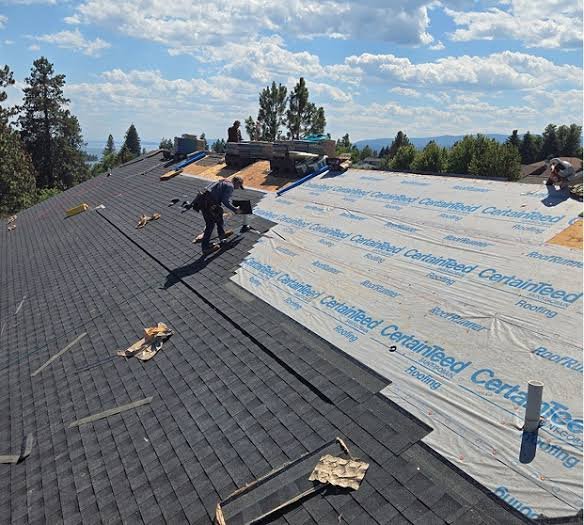
A complete roof replacement involves much more than putting new shingles over an existing surface. The first step is usually removing the old roofing material so the underlying structure can be inspected.
Once the roof is exposed, the contractor can identify damaged or deteriorated decking and determine whether additional work is necessary. New underlayment is then installed to provide another layer of protection against moisture. Ice and water protection may be placed in areas that are especially vulnerable to water intrusion.
Flashing around chimneys, skylights, vents, valleys, and roof transitions also deserves careful attention. These areas are common locations for leaks, so damaged or outdated flashing should not simply be covered by new roofing material.
Ventilation is another important part of the project. A properly designed ventilation system can help manage attic moisture and temperature while supporting the overall performance of the roof.
How Long Can a Roof Replacement Take?
The project timeline depends on the size and design of the roof, material selection, weather, roof pitch, and the amount of underlying damage discovered during the work.
For many residential properties in the Flathead Valley, a straightforward roof replacement may take around one to two days. Larger or more complicated roofs can take longer, particularly when they include multiple roof sections, steep slopes, dormers, skylights, or chimneys. Weather can also affect scheduling and completion time.
Homeowners should ask for an estimated timeline before work begins and understand that unexpected decking or structural issues may extend the project.
Should You Repair or Replace the Roof?
This is one of the most important decisions homeowners face. Replacing a roof when a simple repair would have solved the problem can lead to unnecessary expense. On the other hand, repeatedly repairing an old and deteriorating roof can become costly over time.
A repair may make sense when the damage is isolated and the rest of the roofing system remains in good condition. Replacement may be more appropriate when shingles are significantly aged, damage is widespread, the underlayment is compromised, decking is deteriorated, or multiple areas continue to leak.
A professional inspection can provide useful information before making the decision. Fly Roofing explains that its inspections include checking shingles, flashing, ventilation, storm damage, and ice or water damage, along with providing photos and recommendations.
What Should Homeowners Ask a Roofing Contractor?
Before choosing a contractor, homeowners should ask practical questions rather than focusing only on the quoted price.
Consider asking:
- What condition is the existing roof in?
- Can the roof be repaired, or is replacement recommended?
- Which roofing materials are suitable for the property?
- What type of underlayment and moisture protection will be used?
- How will roof ventilation be handled?
- What happens if damaged decking is discovered?
- How long is the expected project timeline?
- What warranties are included?
- Is the contractor licensed and insured?
- How will the property and landscaping be protected during installation?
- Will the work area be cleaned after completion?
Clear answers can help homeowners compare contractors and understand exactly what they are paying for.
Why Professional Installation Matters
Even high-quality roofing materials can perform poorly if they are installed incorrectly. Proper fastening, flashing, ventilation, underlayment, and material installation all affect the roof’s ability to protect a home.
Professional installation can also help homeowners follow manufacturer requirements and avoid problems associated with improper installation. Fly Roofing states that it follows manufacturer specifications for roofing systems and serves homeowners throughout Kalispell and the wider Flathead Valley.
A local contractor can also be familiar with the weather conditions that roofs in the area commonly face. This local knowledge can be useful when selecting materials and planning installation details.
How Can Homeowners Prepare for a Roof Replacement?
Once a project is scheduled, a little preparation can make the process easier. Homeowners should move fragile items away from walls and ceilings where possible because roofing work can create vibration inside the house.
Outdoor furniture, decorations, and other movable items should also be relocated away from the work area. Vehicles may need to be parked away from the driveway or house during installation so the crew has enough space to work and remove roofing debris.
It is also helpful to discuss pets, children, access points, working hours, cleanup procedures, and material delivery with the contractor before the project begins.
Final Thoughts
A roof replacement is a significant home improvement project, but understanding the warning signs and planning the work carefully can make the process much less stressful. Homeowners should look beyond the visible shingles and consider the condition of the underlayment, flashing, ventilation, decking, and other components that make up the complete roofing system.
For homes exposed to Kalispell’s snow, ice, wind, hail, and changing temperatures, proper materials and installation are especially important. Most importantly, homeowners should not assume that every roofing problem requires a complete replacement. A professional inspection can help determine whether repair or replacement makes the most sense.
Fly Roofing provides residential roofing, inspections, repairs, and replacement services throughout Kalispell and the Flathead Valley. Its approach focuses on explaining the condition of the roof and helping homeowners understand their available options before making a decision.


