 WhatsApp Us Now
There’s a particular kind of frustration that car and motorcycle owners know well: you spend money on wheels or metal parts, only to watch the finish fade, chip, or corrode sooner than expected. Around Warwick, RI, changing weather, road salt, moisture, and everyday driving can be tough on exposed automotive surfaces.
You may have tried paint, quick touch-ups, or a basic refinishing job before. When the finish starts looking rough again, the real question is not simply where to get the work done, but how to get a durable result without wasting another weekend or another paycheck.
Why Quality Automotive Refinishing Matters
When searching for Automotive Powder Coating Near Me, local drivers should look beyond distance alone. A nearby shop is convenient, but the quality of preparation, coating, curing, and communication has a much bigger impact on the final result.
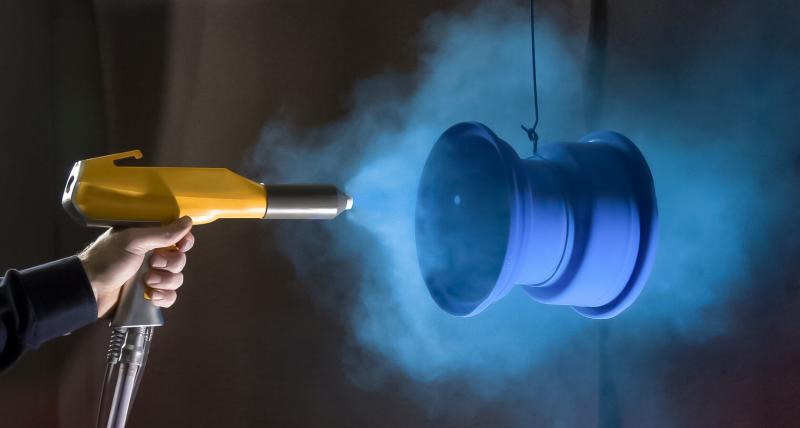
Powder coating uses a dry coating process that is professionally applied and cured with heat. When the surface is properly prepared and the coating is correctly applied, the finished part can have a clean appearance and strong resistance to normal wear.
Common Automotive Parts That Benefit
Powder coating can be useful for many suitable metal components, including:
- Wheels and rims
- Suspension and chassis components
- Brackets and hardware
- Motorcycle components
- Specialty automotive metal parts
- Various restoration components
Not every automotive component is a candidate, so a professional evaluation should come before work begins.
Real Problems Warwick Drivers Deal With
Local vehicle owners often face more than cosmetic concerns. A finish that looks tired can make an otherwise well-maintained vehicle feel neglected.
Road Salt and Winter Exposure
Rhode Island winters bring cold temperatures, moisture, and road treatments. Salt and grime can settle into small chips or damaged areas, especially when metal parts are regularly exposed underneath a vehicle.
For drivers who commute around Warwick throughout the winter, keeping exposed metal components properly maintained can be a practical part of long-term vehicle care.
Flaking, Scratches, and Old Finishes
Wheels and other automotive components take plenty of abuse. Curb contact, brake dust, road debris, repeated washing, and everyday driving can leave scratches and surface damage that ordinary touch-ups struggle to hide.
A professional refinishing process gives the component a chance to start fresh instead of simply covering visible problems.
Paying Twice for Cheap Work
One of the most frustrating experiences is paying for a quick refinishing job and then discovering that the coating was applied over poor preparation.
If corrosion, grease, old coating, or contaminants remain underneath, even an attractive finish may not perform as expected. Preparation is not the glamorous part of the job, but it is one of the most important.
A Warwick Approach to Better Results
Local conditions matter. A vehicle driven around Greenwich Avenue, Oakland Beach, or the busy roads connecting Warwick with Scranton and East Greenwich experiences a different mix of daily conditions than a garage-kept show vehicle.
That is why preparation should match how the part will actually be used. A commuter vehicle exposed to winter roads needs a practical, durable finish, while a restored classic may require greater attention to appearance, color matching, and detail.
Ocean State Powder Coating approaches automotive projects with that practical mindset. The goal is to make the process straightforward while giving customers a finish designed for real-world use.
What the Process Should Look Like
A trustworthy powder coating project should never feel like dropping off a part and hoping for the best.
1. Inspect the Part
Start by identifying the material, existing finish, damage, corrosion, and intended use. This helps determine whether powder coating is appropriate and what preparation may be necessary.
2. Prepare the Surface
Preparation is one of the most important stages. Existing coatings, rust, dirt, oil, and other contaminants may need to be removed so the new finish has a properly prepared surface.
3. Apply the Powder
The selected powder is applied to the prepared component. Coverage, thickness, and application technique can all influence the final appearance.
4. Cure the Coating
The component is heated according to the requirements of the coating system. Proper curing helps the coating develop the characteristics it was designed to provide.
5. Inspect Before Delivery
The finished component should be checked for coverage, appearance, defects, and overall quality before it returns to the customer.
This process is especially important when you’re refinishing visible parts such as wheels. Small shortcuts during preparation can become obvious once the component is back on the vehicle.
Where Wheel Refinishing Fits In
Wheels are among the most noticeable automotive parts, so a worn finish can change the entire look of a vehicle. If you’re considering Wheel Powder Coating in Warwick RI, ask about surface preparation, available colors, expected turnaround, and whether existing damage needs attention first.
A good wheel refinishing job should balance appearance with practical durability. It should also account for the wheel’s condition rather than treating every project exactly the same.
For Warwick residents, convenience is another factor. Being able to discuss the project locally, understand what will happen to the wheels, and receive clear expectations can remove much of the uncertainty that comes with automotive refinishing.
When Restoration Is the Better Choice
Not every part needs to be replaced simply because it looks worn. Powder Coating Restoration in Warwick RI can be a useful option when an existing component has a damaged or aging finish but still has a sound underlying structure.
Restoration may involve removing the old coating, addressing surface issues, preparing the metal, and applying a fresh finish. The right approach depends on the condition of the component, so an honest assessment is more valuable than promising that every part can be restored.
If structural damage is present, refinishing should not be used to disguise a safety problem. A reputable provider should be willing to explain when replacement or another repair is the more sensible option.
How to Choose a Shop You Can Trust
Before handing over valuable wheels or automotive parts, ask a few simple questions:
- What preparation method will be used?
- Will damaged or corroded areas be addressed first?
- Which colors and finishes are available?
- What is the estimated turnaround?
- What does the quoted price include?
- How will the finished parts be inspected?
- Is the shop willing to explain the process clearly?
Clear answers are a positive sign. So are straightforward pricing, realistic timelines, responsive communication, and a willingness to tell you when a part is not a good candidate.
Ocean State Powder Coating can help Warwick-area customers understand their options without turning a straightforward project into a confusing sales conversation.
Simple Ways to Protect the Finished Parts
Once your parts are refinished, basic care can help preserve their appearance.
Wash Away Road Grime
Regularly remove salt, dirt, and brake dust rather than allowing buildup to remain on the surface for extended periods.
Avoid Harsh Cleaning Habits
Use appropriate automotive-safe cleaning products and avoid aggressive tools that can unnecessarily scratch or damage the finish.
Deal With Damage Early
If you notice a chip, scrape, or corrosion beginning around a damaged area, have it evaluated before the problem becomes more extensive.
Pay Attention After Winter
A thorough cleaning after the winter season can help remove accumulated road salt and grime from wheels and other exposed components.
FAQs
Q1. Is powder coating good for automotive wheels?
Ans: Yes. Powder coating can be an effective finish for many suitable metal wheels when they are properly prepared, coated, and cured.
Q2. How long does automotive powder coating take?
Ans: Turnaround varies depending on the part’s condition, preparation requirements, workload, and coating specifications. Ask for a project-specific estimate.
Q3. Can rusty automotive parts be powder coated?
Ans: Some parts can be restored after appropriate preparation. However, heavily damaged or structurally compromised components may not be suitable.
Q4. Can I choose a custom color?
Ans: Many powder coating systems offer a broad selection of colors, gloss levels, and finishes. Available options depend on the coating provider.
Q5. Is powder coating better than automotive paint?
Ans: Neither option is universally better. The right choice depends on the component, desired appearance, durability needs, and how the part will be used.
Q6. Should I powder coat old wheels or replace them?
Ans: If the wheels are structurally sound, refinishing may be worth considering. A professional inspection can help determine which option makes the most sense.
Conclusion
Your vehicle deserves more than a temporary cosmetic fix. A properly prepared and professionally finished automotive component can improve appearance while providing a practical solution for everyday driving conditions in Warwick and throughout Rhode Island.
If you’re comparing options for Automotive Powder Coating Near Me, focus on preparation, communication, workmanship, and the condition of the part, not simply the lowest quote.
When you’re ready to discuss wheels, restoration, or other automotive components, contact Ocean State Powder Coating to learn what approach makes sense for your project.


