 WhatsApp Us Now

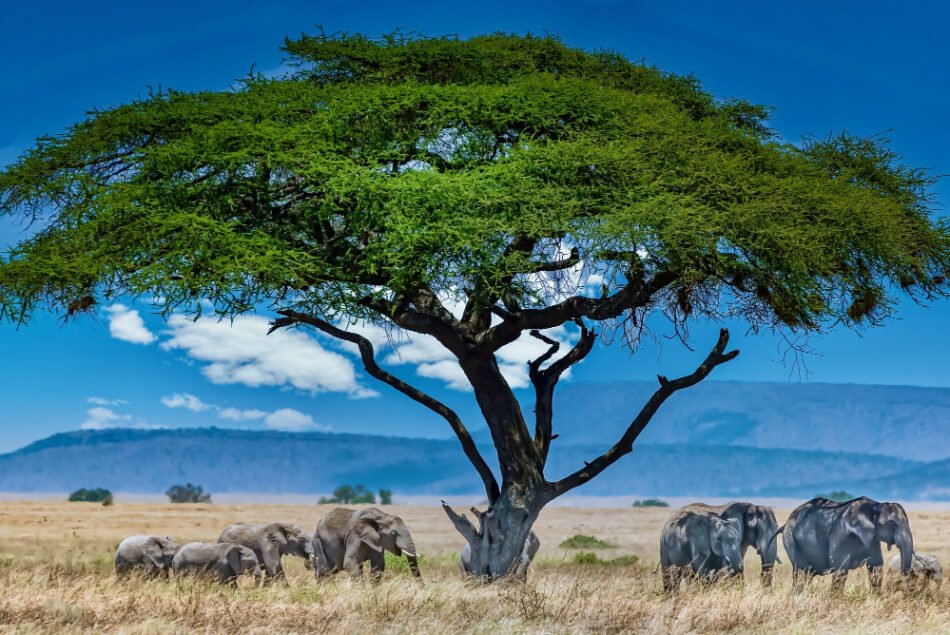
A safari in Kenya is more than a chance to see wild animals. It is an opportunity to spend time in some of Africa’s most beautiful landscapes, watch wildlife in its natural surroundings and experience a different side of travel. For visitors from the United States, the Maasai Mara is an excellent destination for a memorable African holiday.
However, not every safari experience is the same. While game drives and wildlife sightings are at the centre of the journey, accommodation, food, guides and the overall atmosphere also influence how much travellers enjoy their stay.
More Than Just Wildlife Sightings
The Maasai Mara is famous for its remarkable wildlife population. Lions, elephants, leopards, cheetahs, buffaloes, giraffes and zebras are among the animals visitors may encounter during their stay.
The Great Wildebeest Migration is another major attraction. Between July and October, large herds move through the Mara ecosystem, although the exact timing depends on rainfall and grazing conditions.
Choosing suitable masai mara luxury safari packages can help travellers organise their accommodation, transport and game drives before arriving. This makes it easier to enjoy the experience without spending valuable holiday time arranging every detail.
Comfortable Accommodation in the Middle of Nature
After several hours of exploring the reserve, having a comfortable place to return to makes a difference. Luxury safari accommodation combines the feeling of being close to nature with facilities that make the stay relaxing.
When comparing camps, travellers should consider:
- Spacious rooms or safari tents with comfortable beds.
- Private bathrooms and reliable hot water.
- Clean surroundings and attentive service.
- Pleasant dining and relaxation areas.
- Convenient access to wildlife-viewing locations.
Dining Is Part of the Safari Experience
Food is often an overlooked part of safari planning, but it can become one of the most enjoyable aspects of the trip.
After an early morning game drive, a freshly prepared breakfast is a welcome break. Lunch and dinner also provide opportunities to relax, share stories and enjoy the company of fellow travellers.
Some camps take a farm-to-table approach by growing vegetables and herbs on their own property. Fresh ingredients add variety to meals while creating a stronger connection between the accommodation and its surroundings.
For travellers with dietary requirements, it is sensible to inform the camp before arrival so suitable arrangements can be discussed.
Activities Beyond Traditional Game Drives
Game drives are usually the main attraction, but there are other ways to enjoy the Maasai Mara.
Depending on availability, visitors can consider:
Hot Air Balloon Safaris
A balloon ride at sunrise offers a different view of the plains. Watching the landscape from above can be a memorable experience, particularly when wildlife is visible below.
Cultural Visits
A visit arranged with a local Maasai community can introduce travellers to traditional customs, crafts and everyday life. These visits should be respectful and organised in a way that benefits the community.
Guided Nature Walks
Walking with an experienced local guide offers an opportunity to learn about smaller details of the ecosystem, including plants, insects, tracks and birdlife.
These activities add variety to a safari and allow visitors to appreciate the Mara beyond its most famous animals.
Why Responsible Tourism Matters
Wildlife tourism depends on maintaining healthy natural habitats. The choices travellers make can influence the environment and the communities living around protected areas.
Before booking, look for camps and tour operators that take conservation seriously. Responsible waste management, careful water use, reduced environmental impact and community involvement are useful signs.
Travellers can also make a difference by following park rules, avoiding littering, keeping a respectful distance from animals and listening to their guides.
Supporting local businesses and purchasing handmade products directly from local artisans are other ways to contribute to the regional economy.
When Should You Plan Your Visit?
The best time to visit depends on your interests.
July to October is particularly popular because of the Great Wildebeest Migration. January to March can also be rewarding for wildlife viewing, although conditions vary from year to year.
Travellers visiting during busy periods should arrange flights and accommodation well in advance. Those with flexible schedules may find it easier to compare different travel dates and accommodation options.
It is also worth checking entry requirements, travel insurance, recommended vaccinations and luggage restrictions before leaving the United States.
Conclusion
A luxury safari is about enjoying the wilderness without giving up comfort and good hospitality. Wildlife encounters, knowledgeable guides, quality accommodation, enjoyable meals and responsible tourism all contribute to a rewarding journey.
For travellers planning a stay in Kenya, Mtito Safari Camp is worth considering. Located along the Talek River in the Maasai Mara, they combine comfortable safari accommodation with fresh garden-grown produce and an eco-conscious approach to hospitality.


