 WhatsApp Us Now
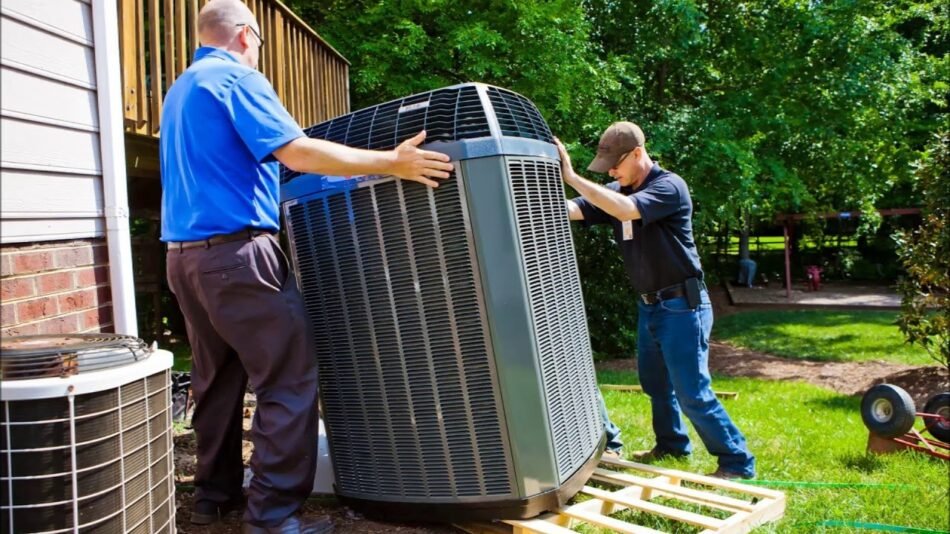
When an HVAC system turns on and off repeatedly in short periods, it is usually experiencing a problem called short cycling. This issue prevents the system from completing a normal heating or cooling cycle, causing extra wear on components and higher energy use. Common causes include thermostat problems, restricted airflow, dirty filters, incorrect system sizing, and mechanical failures. Finding the reason early helps protect the equipment and keeps indoor temperatures more consistent.
Short Cycling Often Starts With Simple Issues
The first thing I check when a system keeps starting and stopping is the basics. A homeowner may notice the air conditioner or furnace running for only a few minutes before shutting down, then restarting again shortly afterward. While this may seem like a small inconvenience, repeated cycling places unnecessary stress on the compressor, blower motor, and other important parts.
Many homeowners searching for hvac services New Braunfels are dealing with systems that struggle during extreme Texas temperatures. A unit that cannot complete a full cycle often runs more frequently while providing less comfort. Checking the thermostat, air filter, and airflow conditions is a good starting point before assuming the equipment needs major repairs.
A Dirty Air Filter Can Restrict Proper Airflow
One of the most common causes of short cycling is a clogged air filter. When dust and debris collect on the filter, the HVAC system has to work harder to move air throughout the home. This restriction can cause the equipment to overheat or freeze, forcing safety controls to shut the system down.
I have seen homeowners replace expensive parts when the real issue was a neglected filter. Changing the filter regularly is a simple task, but it plays a major role in protecting the system. A clean filter supports better airflow, improves efficiency, and helps the equipment maintain a steady cycle.
Thermostat Problems Can Create False Signals
The thermostat controls when your HVAC system starts and stops. If it is installed in the wrong location, exposed to heat sources, or experiencing wiring problems, it may send incorrect signals to the equipment.
For example, a thermostat near a sunny window may read the room temperature incorrectly and tell the system to shut down too soon. Older thermostats can also develop sensor issues over time. Replacing or recalibrating the thermostat may solve the problem if the equipment itself is working properly.
An Oversized HVAC System May Be the Reason
Bigger is not always better when it comes to heating and cooling equipment. An oversized system can cool or heat a room too quickly without properly completing a full cycle. This may sound helpful, but it often creates uneven temperatures and unnecessary wear.
I have walked into homes where the air conditioner was powerful enough to drop the temperature quickly, but the short run times prevented proper humidity control. The home felt cool but uncomfortable because the system was not operating long enough to remove moisture from the air.
Frozen Coils Can Force the System to Shut Down
Air conditioners depend on proper airflow and refrigerant levels to operate correctly. When the evaporator coil freezes, the system may shut itself off to prevent damage. Once the ice melts, it may restart again, creating a repeating pattern.
Frozen coils can happen because of dirty filters, blocked vents, low refrigerant, or blower problems. Ignoring the issue can place extra stress on the compressor, which is one of the most expensive components to replace.
Electrical Components Can Cause Frequent Cycling
HVAC systems rely on several electrical parts working together. A failing capacitor, faulty relay, damaged wiring, or weak connection can interrupt normal operation. The system may start correctly but shut down before completing the heating or cooling process.
During a service discussion with APEX Electrical A/C And Heating LLC, I learned that many short cycling complaints require checking both HVAC and electrical components. The issue is not always inside the main unit. A problem with the electrical supply or control system can create symptoms that look like mechanical failure.
Low Refrigerant Can Affect Cooling Cycles
Refrigerant plays an important role in the cooling process. If the system has a leak, the air conditioner may struggle to maintain pressure and temperature levels. This can cause the equipment to run incorrectly and shut down before reaching the desired comfort level.
Low refrigerant is not something that simply disappears over time. If levels are low, there is usually a leak that needs to be found and repaired. Adding refrigerant without fixing the source of the problem only provides temporary relief.
Signs Your HVAC System May Be Short Cycling
Short cycling is usually easy to notice once you know what to watch for. The system may appear to work normally at first, but the repeated starts and stops reveal an underlying problem.
- The HVAC system runs for less than 10 minutes before shutting off.
- The unit starts again shortly after turning off.
- Indoor temperatures change throughout the day.
- Energy bills increase without major changes in usage.
- The system struggles to maintain the thermostat setting.
- You hear frequent clicking sounds from the equipment.
These warning signs should not be ignored because continued short cycling can shorten the life of major HVAC components.
Why Ignoring Short Cycling Can Become Expensive
Every time your HVAC system starts, it uses extra energy to bring the equipment up to operating speed. Frequent starts and stops increase wear on motors, compressors, and electrical components.
A system that cycles correctly runs longer, steadier cycles instead of constantly restarting. This improves comfort and reduces stress on the equipment. Addressing the problem early is usually easier and less costly than waiting until a major component fails.
When Professional Help Is Needed
Some causes of short cycling can be corrected with basic maintenance, such as replacing a dirty filter or adjusting thermostat settings. However, problems involving refrigerant, electrical parts, sizing issues, or internal components require proper testing.
A trained HVAC technician can measure airflow, inspect system controls, check refrigerant levels, and determine why the equipment is not completing normal cycles. Guessing at repairs can waste money and may leave the original problem unresolved.
Final Thoughts
An HVAC system that turns on and off constantly is giving you a warning sign. Short cycling affects comfort, increases energy use, and puts unnecessary strain on your equipment. Start with simple checks, but do not ignore repeated cycling patterns. A proper diagnosis can restore reliable performance, improve efficiency, and help your heating and cooling system last longer.


