 WhatsApp Us Now
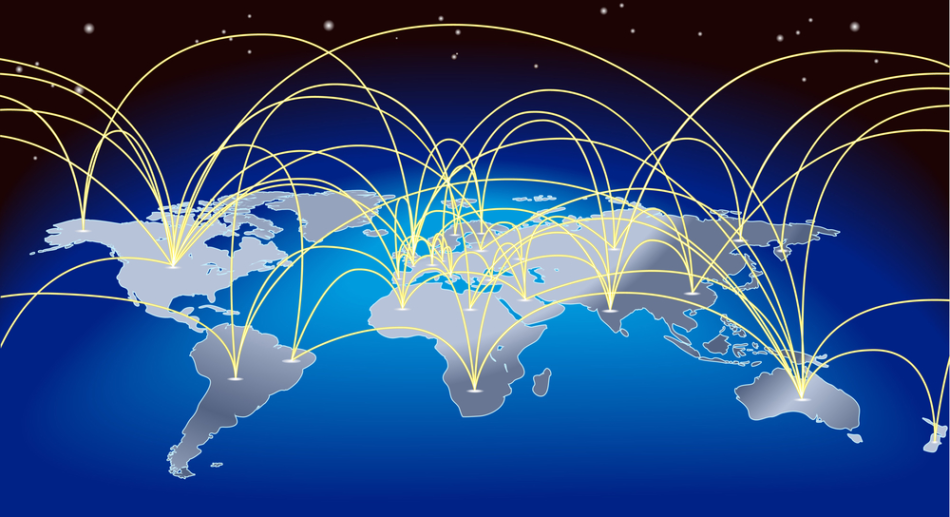
International trade services help businesses manage the movement of goods and services across international borders. These services cover important activities such as import and export documentation, customs procedures, freight coordination, trade compliance, shipping, and international payment support. Global commerce often involves different regulations, currencies, transportation systems, and business requirements, making professional trade support valuable for companies operating across countries. Manufacturers, exporters, importers, wholesalers, retailers, and growing businesses can benefit from organized international trade solutions. Understanding how these services work can help businesses reduce delays, manage risks, control costs, and maintain smoother international supply chains.
What Are International Trade Services?
International trade services are professional solutions designed to support businesses involved in importing or exporting products and services between countries. International trade can involve multiple steps, including sourcing products, preparing commercial invoices, arranging transportation, completing customs paperwork, checking regulatory requirements, and coordinating delivery.
A trade service provider may assist with one specific part of the process or manage several activities together. The exact services required depend on the type of product, destination country, shipping method, and business requirements.
Key Services Included in International Trade
International trade involves several interconnected activities. Understanding these services makes it easier to identify the type of support required for a particular business.
Import and Export Documentation
Accurate documentation is essential for international shipments. Common documents include commercial invoices, packing lists, certificates of origin, bills of lading, and customs declarations. Errors or missing information can cause shipment delays, additional costs, or customs problems.
Professional documentation support helps ensure that required information is prepared correctly and consistently.
Customs Clearance
Customs clearance is an important part of cross-border trade. Customs authorities review shipments to determine whether products meet import requirements and whether applicable duties or taxes have been properly addressed.
International trade services can include customs coordination, classification support, duty information, and preparation of required customs documents. Proper preparation can reduce unnecessary delays at ports and border crossings.
Freight and Shipping Coordination
International shipments may travel by air, sea, road, or a combination of transportation methods. Freight coordination involves selecting suitable shipping arrangements, organizing carriers, tracking shipments, and managing delivery schedules.
For larger shipments, ocean freight may provide cost advantages, while air freight can be useful when speed is more important. The appropriate method depends on product type, shipment size, destination, budget, and delivery requirements.
Trade Compliance Support
Each country has different rules regarding imported and exported products. Certain goods may require special permits, certifications, labeling, or inspections. Trade compliance services help businesses understand and follow applicable regulations.
Compliance is particularly important for industries involving food, pharmaceuticals, chemicals, electronics, machinery, and other regulated products. Proper compliance reduces the risk of penalties, shipment rejection, and other trade-related complications.
International Payment and Commercial Support
Cross-border transactions can involve different currencies, payment terms, banking procedures, and financial risks. International trade support may include assistance with payment documentation, transaction requirements, and commercial terms.
Clear payment conditions can help reduce misunderstandings between buyers and sellers, particularly when business relationships span different countries.
Who Needs International Trade Services?
International trade services are useful for a wide range of businesses. The level of support required depends on shipment volume, international experience, product category, and destination markets.
Manufacturers and Exporters
Manufacturers that sell products internationally must manage export documentation, shipping arrangements, customs requirements, and delivery schedules. Trade services can simplify these processes and allow manufacturing teams to focus more heavily on production and product quality.
Exporters entering new markets can also benefit from guidance regarding destination-country requirements.
Importers and Wholesalers
Importers often purchase products from overseas manufacturers or suppliers. Managing international suppliers involves transportation, customs, duties, documentation, and delivery coordination.
Wholesalers handling frequent shipments may require reliable trade processes to maintain inventory levels and avoid supply interruptions.
Retail and E-Commerce Businesses
Online retailers increasingly source products internationally or sell products to customers in other countries. International shipping can become complicated when individual orders involve customs declarations, taxes, duties, and destination-specific requirements.
Organized international trade services can help e-commerce businesses create more consistent cross-border fulfillment processes.
Small and Growing Businesses
Smaller businesses may have limited experience with international regulations and shipping procedures. Professional trade assistance can provide practical support without requiring a large internal logistics or compliance department.
For a business entering international markets for the first time, reliable documentation and customs processes can make expansion more manageable.
Businesses Expanding Into New Markets
International expansion often requires research into local regulations, product requirements, shipping conditions, and import procedures. Trade service providers can help identify important operational requirements before regular shipments begin.
Early preparation can prevent costly mistakes and improve the overall efficiency of market expansion.
Benefits of Using International Trade Services
International trade services can provide several practical advantages when cross-border operations become complex.
Reduced Shipping Delays
Incorrect documentation and incomplete customs information are common causes of shipment delays. Proper preparation helps reduce avoidable issues and supports smoother movement through customs.
Better Regulatory Compliance
International regulations can differ significantly between countries. Compliance support helps businesses identify applicable requirements and maintain proper documentation.
Improved Cost Management
International shipping involves freight charges, customs duties, taxes, insurance, storage fees, and other expenses. Careful planning can help identify unnecessary costs and select more suitable transportation options.
Lower Trade Risk
Cross-border transactions involve operational, financial, and regulatory risks. Clear documentation, appropriate shipping procedures, and compliance checks can reduce exposure to common trade problems.
More Efficient Supply Chains
A well-organized international supply chain connects suppliers, transportation providers, customs authorities, warehouses, and final customers. Trade services can help coordinate these activities and improve overall shipment visibility.
How to Select the Right Trade Service
The right service depends on the nature of the business and the countries involved. Before selecting a provider, consider experience with the relevant product category, destination markets, transportation methods, customs procedures, and documentation requirements.
Clear communication is also important. A suitable provider should explain costs, responsibilities, timelines, and required documents in straightforward terms. Businesses handling regulated products should also confirm that the provider understands relevant compliance requirements.
Why International Trade Services Matter in Global Commerce
International trade connects businesses with suppliers, customers, and markets across borders, but successful trade requires more than simply arranging transportation. Documentation, customs, compliance, logistics, payments, and delivery all need careful coordination. International trade services provide structured support across these areas, helping businesses manage cross-border operations more efficiently. Whether a company is importing raw materials, exporting finished products, or expanding into a new international market, professional trade support can make complex processes easier to manage while reducing avoidable delays and risks.
The Value of Living Solutions Global
Living Solutions Global provides value by supporting businesses involved in international trade and cross-border commercial activities. Global business operations require organized processes, reliable communication, and an understanding of international logistics and trade requirements. Living Solutions Global can serve as a valuable resource for businesses seeking practical support as international operations develop. A structured approach to trade services can help improve coordination, simplify complex processes, and support smoother movement of goods across markets. For businesses looking toward international growth, dependable trade assistance can contribute to stronger supply chain management and more confident participation in global commerce.


