 WhatsApp Us Now

Water damage can happen unexpectedly due to burst pipes, leaking appliances, heavy rainfall, flooding, or plumbing failures. When water enters a property, it can spread across floors, soak carpets, damage furniture, and reach areas behind walls. Without proper cleanup, moisture may lead to additional structural problems and mold growth. Professional water removal services help remove unwanted water and begin the drying process to protect your property.
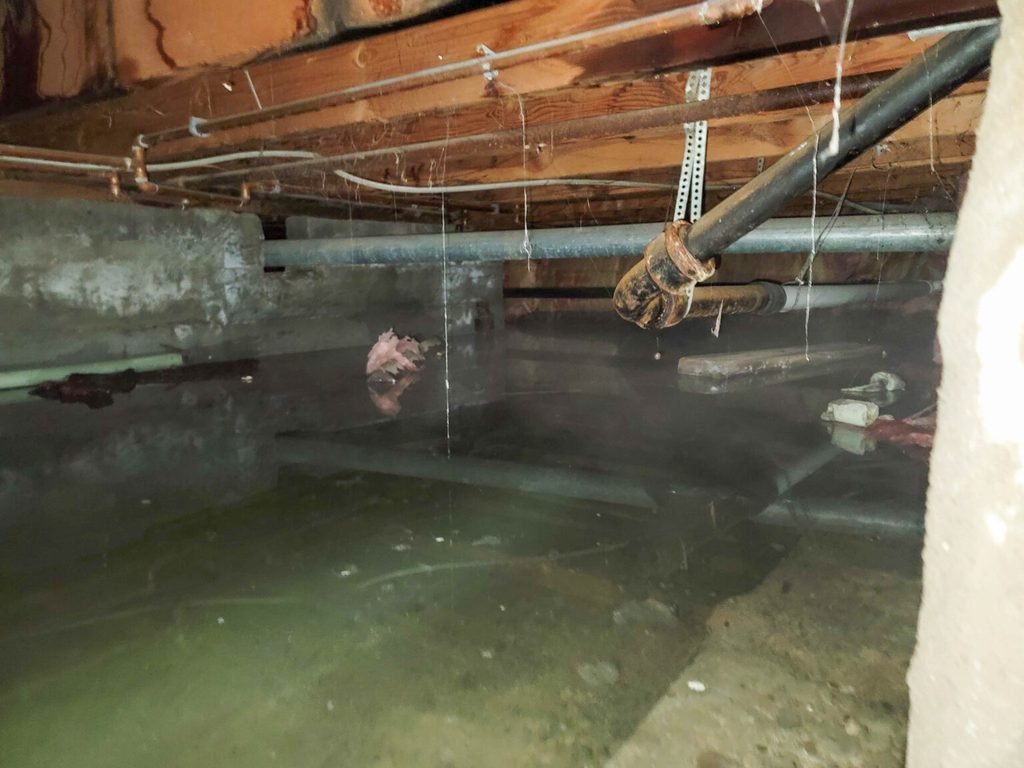
Common Causes of Water Damage
Several situations can cause water to collect inside residential and commercial buildings. Burst pipes and leaking plumbing connections are common sources of indoor water damage. Even a small leak can become a serious issue when it continues unnoticed.
Heavy rainfall and flooding can also introduce large amounts of water into basements, garages, and ground-level rooms. Roof leaks may allow rainwater to enter ceilings and walls, while malfunctioning washing machines, dishwashers, and water heaters can cause unexpected flooding.
Identifying the source of water is an important part of the cleanup process. Removing standing water without fixing the underlying problem may allow the damage to happen again.
Signs You Need Professional Water Removal
Some water damage is immediately visible, while other problems develop in hidden areas. Standing water on floors, wet carpets, and soaked furniture are clear signs that cleanup is necessary.
Other warning signs include damp drywall, water stains on ceilings, peeling paint, swollen flooring, and musty odors. You may also notice that doors or cabinets become difficult to close because moisture has affected nearby materials.
If water has entered wall cavities, insulation, or areas beneath flooring, the damage may be more extensive than it appears. Professional assessment can help identify affected spaces and determine the appropriate removal and drying methods.
Why Fast Water Removal Matters
Standing water can continue damaging building materials and personal belongings as time passes. Wood flooring may swell, drywall can weaken, and carpets may hold moisture long after the visible water has been removed.
Moisture that remains inside a property can also create conditions that support mold growth. This is why water removal should be followed by proper drying and moisture assessment.
Professional water removal helps address the immediate problem and prepares the affected areas for the next stages of restoration. Acting promptly can reduce the likelihood of additional damage and help make repairs more manageable.
Steps Involved in Professional Water Removal Services
The process usually begins with an inspection to identify the source of water and evaluate the affected areas. Restoration professionals assess the amount of water, the materials involved, and any possible safety concerns.
Next, specialized pumps and extraction equipment are used to remove standing water. For smaller amounts of moisture, professional extraction tools may help remove water from carpets, flooring, and other affected surfaces.
After extraction, the drying process begins. Air movers and commercial dehumidifiers help remove remaining moisture from the air and building materials. Moisture meters may also be used to monitor drying progress and identify areas that need additional attention.
Once the affected areas are sufficiently dry, professionals can evaluate materials that require cleaning, repair, or replacement. Depending on the extent of the damage, restoration may include carpet treatment, drywall replacement, flooring repairs, and other necessary work.
Water Removal for Homes and Businesses
Water damage can disrupt both residential and commercial properties. Homeowners may need help protecting furniture, clothing, flooring, and personal belongings after a plumbing leak or flood.
Businesses may face additional challenges when water affects offices, storage areas, equipment, inventory, or customer spaces. Professional water removal can help address affected areas and prepare the building for necessary repairs.
Every property has different restoration needs. The appropriate approach depends on the source of water, the amount of damage, and the materials affected.
How to Choose Reliable Water Removal Services
Choosing an experienced restoration provider can make the cleanup process more organized. Look for a company that offers water extraction, structural drying, moisture monitoring, and related restoration services.
Ask about the equipment used, inspection procedures, and how the company determines when affected materials are dry. You should also review customer feedback, business information, insurance details, and the estimated cost of the work.
If you plan to file an insurance claim, document visible damage from a safe location and contact your insurance provider. Keep records of restoration estimates and communication related to the incident.
How to Prevent Future Water Damage
Regular property maintenance can help reduce the risk of unexpected water problems. Inspect plumbing connections, water heaters, washing machine hoses, and appliances for signs of leaks or wear.
Keep gutters and downspouts clear so rainwater can drain away from the building. Check ceilings, basements, and areas beneath sinks for moisture or unusual stains.
During colder weather, protect exposed pipes from freezing temperatures. Address small leaks as soon as they appear instead of allowing moisture to spread into surrounding materials.
Conclusion
Water damage can affect flooring, walls, furniture, and other important parts of a property. Professional water removal services help extract standing water, reduce excess moisture, and prepare affected areas for cleaning and restoration. Whether the problem comes from a burst pipe, leaking appliance, or flooding, taking action early can help limit further damage. Choosing an experienced restoration provider ensures that water extraction and drying receive proper attention, helping protect your property and support a smoother recovery.